Asomiya Pratidin · August 5, 2026
সমভাৱে হোৱা নাই বিতৰণঃ সাহায্য দিবলৈ গ'লে পালিব লাগিব চৰকাৰী নিয়ম!
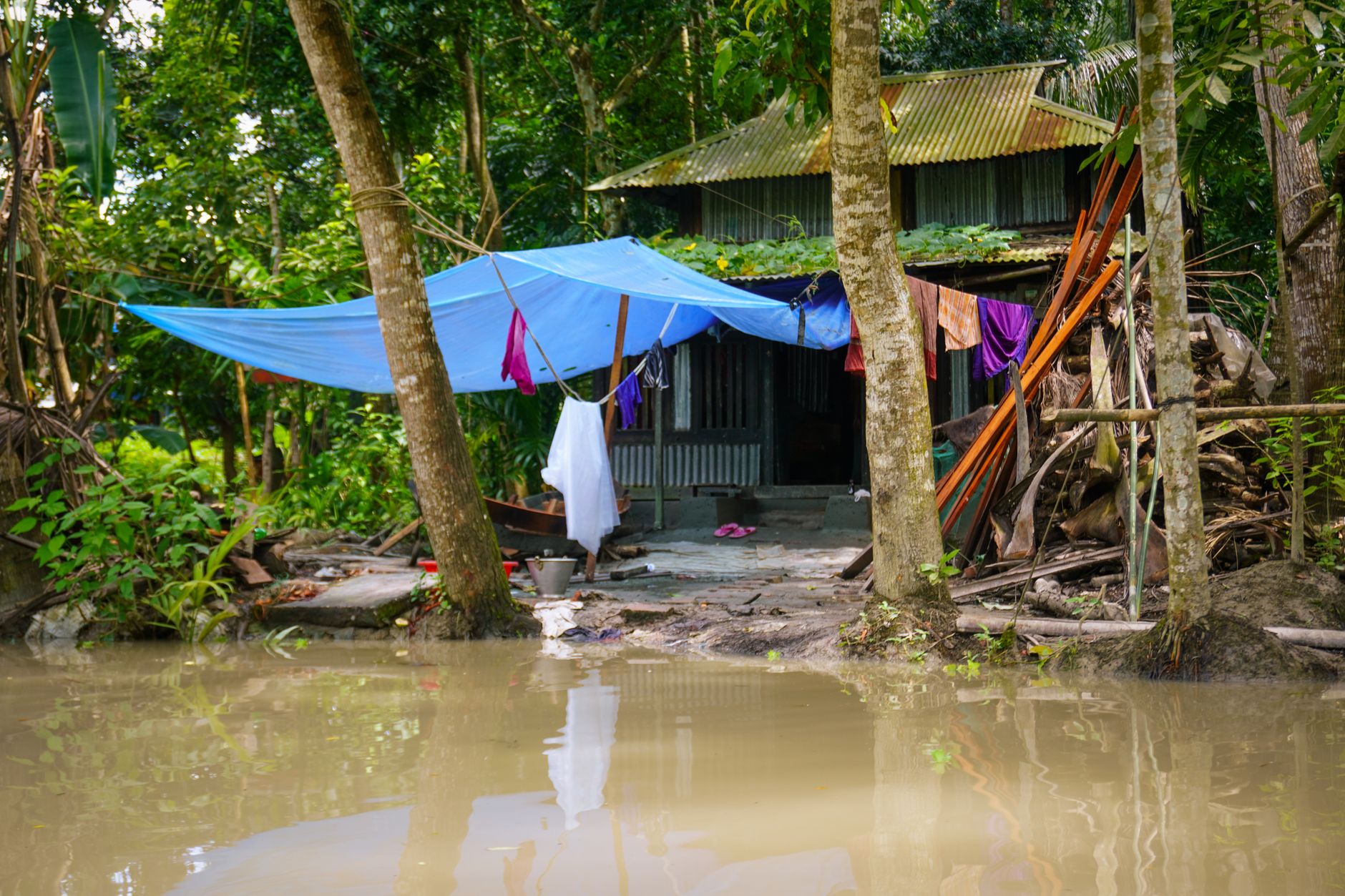
According to Asomiya Pratidin, the ongoing flood crisis in upper Assam has triggered a wave of community-led relief efforts, but concerns are mounting regarding the equitable distribution of aid. While citizens have mobilized to provide food, clothing, and essential supplies to those displaced by the rising waters, reports indicate that aid is frequently concentrated in accessible areas, leaving residents in remote, interior regions underserved.
Local observers and affected residents have raised complaints that relief materials are often delivered repeatedly to the same locations, while other pockets of the flood-affected population remain in desperate need. The report notes that this disparity has led to public frustration, with calls for more structured oversight to ensure that aid reaches the most vulnerable victims who have lost their homes and livelihoods.
In response to these logistical challenges, there is growing speculation that the state government may introduce a Standard Operating Procedure (SOP) to regulate the distribution of relief materials. Such a measure would aim to streamline the efforts of volunteers and organizations, ensuring that aid is distributed systematically across all affected zones rather than being left to informal, localized initiatives. As the floodwaters begin to recede, the focus remains on the long-term recovery of those who have lost their life's savings and property to the disaster.
Truth Score
75/100
Reported
Why this score
The report highlights logistical challenges and public complaints regarding flood relief distribution in Assam, which is a common occurrence during large-scale disaster responses. While the specific claim about a new government SOP is presented as a possibility rather than a confirmed decree, the report is internally consistent and reflects typical regional reporting on disaster management.
Cross-checked against
No corroborating trusted sources found.
Original report: Asomiya Pratidin