Ei Samay · August 1, 2026
ভারতের কিছু রেলস্টেশনের নামের শেষে কেন লেখা থাকে ‘রোড’? জানেন এর নেপথ্যের চমৎকার ইতিহাস?
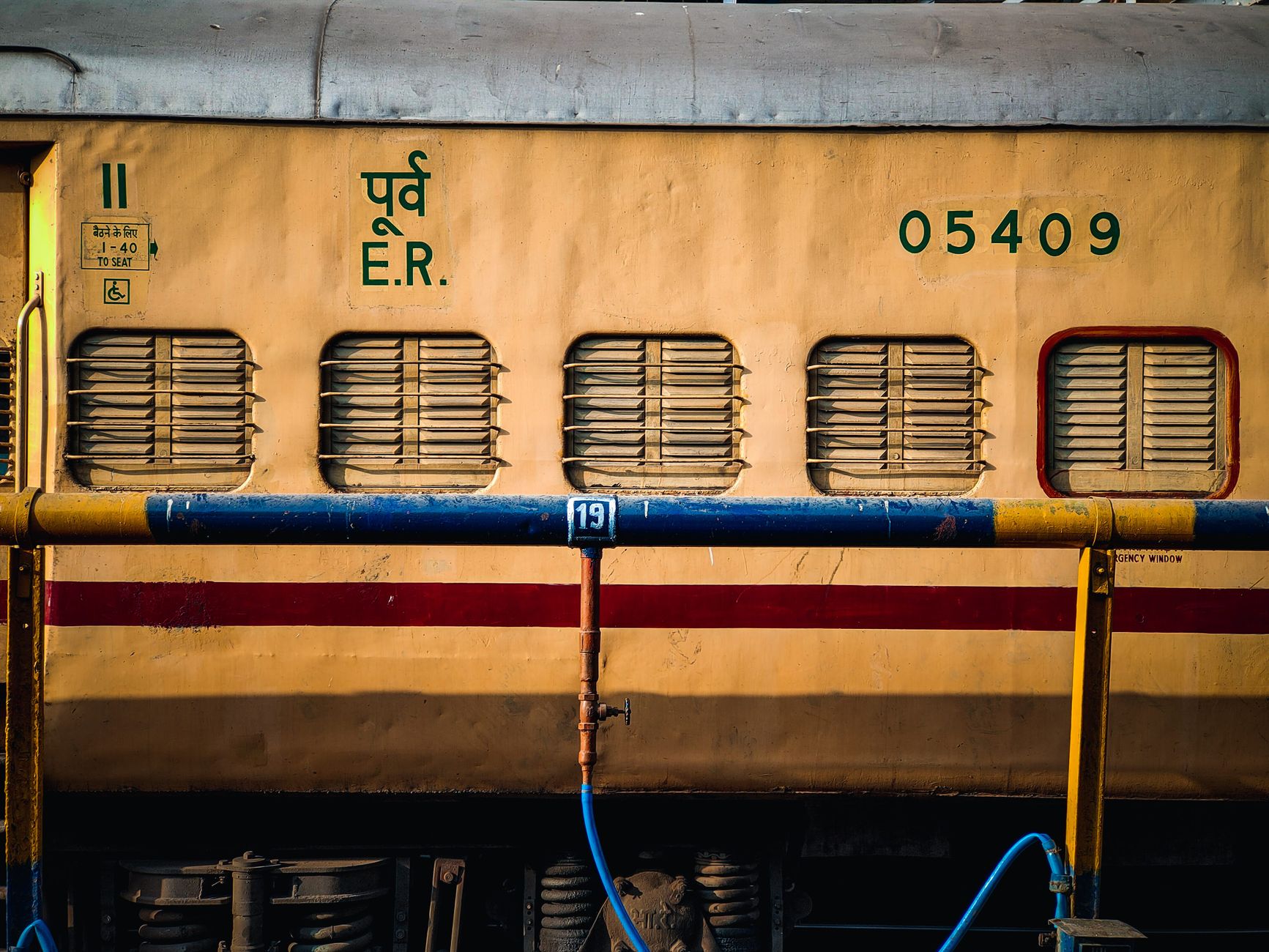
According to a report by Ei Samay, many railway stations across India feature the word 'Road' as a suffix to their names, a detail that often piques the curiosity of travelers. This naming convention is not arbitrary but is deeply rooted in the historical development of the Indian railway network during the British colonial era. In many instances, the railway station was constructed at a significant distance from the main town or city center it was intended to serve, often located near a primary arterial road that connected to the settlement.
By appending 'Road' to the station's name, colonial authorities aimed to clarify the station's geographical orientation and its connectivity to the local town. This distinction was particularly important for passengers and freight operators who needed to know which specific transit point provided the most direct access to the urban hub. Over time, as cities expanded, the urban footprint often grew to encompass the station itself, yet the original nomenclature remained as a permanent fixture of the station's identity.
This historical naming practice serves as a reminder of how early transport infrastructure was planned in relation to existing road networks. While modern urban planning has integrated these stations into the heart of many cities, the 'Road' suffix persists as a vestige of the era when the railway was the primary link between isolated rural outposts and the growing administrative centers of the country.
Truth Score
85/100
Reported
Why this score
The story discusses a common historical and linguistic curiosity regarding Indian railway station naming conventions. While it is a single-source feature piece, the explanation provided is consistent with established historical naming patterns for colonial-era infrastructure in India.
Cross-checked against
No corroborating trusted sources found.
Original report: Ei Samay