Asomiya Pratidin · August 4, 2026
পথ দুৰ্ঘটনা ৰোধৰ বাবে কেন্দ্ৰৰ নতুন পদক্ষেপঃ আহি আছে V2V প্ৰযুক্তি
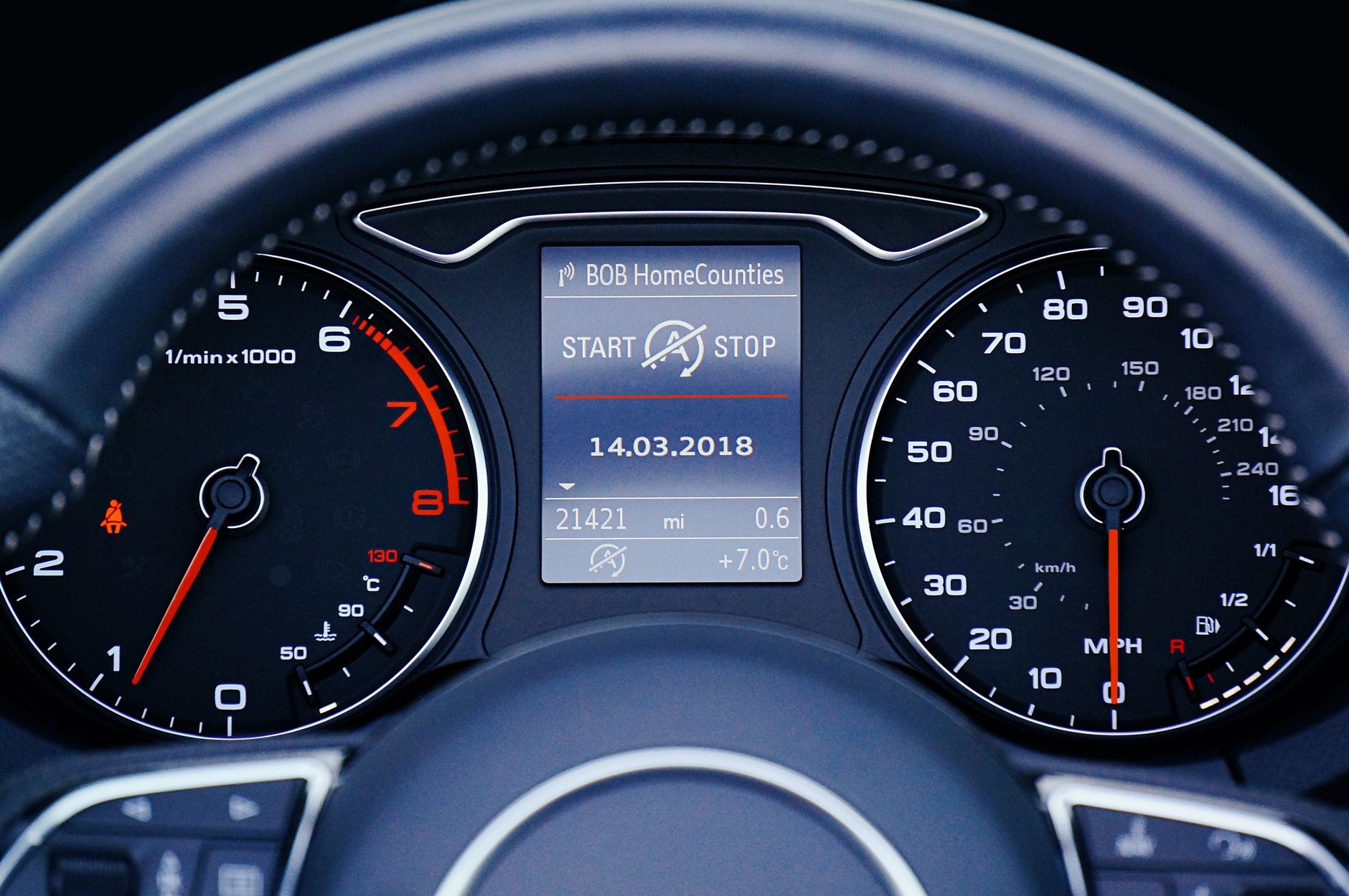
According to Asomiya Pratidin, the Indian Ministry of Road Transport and Highways has initiated a new policy measure aimed at reducing road accidents across the country. The ministry is proposing the phased implementation of Vehicle-to-Vehicle (V2V) communication systems to enhance passenger safety and traffic management.
To facilitate this transition, the ministry has reportedly issued a draft notification regarding amendments to the Central Motor Vehicles Rules, 1989. This regulatory step is part of a broader effort to integrate artificial intelligence and advanced connectivity into the national transport infrastructure. By enabling vehicles to exchange real-time data, authorities hope to provide drivers with critical information regarding the speed, position, and direction of nearby vehicles.
The adoption of V2V technology is viewed as a significant step toward modernizing road safety standards in India. By allowing vehicles to 'communicate' with one another, the system is designed to alert drivers to potential hazards or traffic changes before they become visible, potentially lowering the frequency of collisions. The ministry's move to amend existing vehicle rules suggests a formal push to standardize these technologies for future automotive manufacturing and road usage.
Truth Score
85/100
Reported
Why this score
The report details a specific administrative action by the Indian Ministry of Road Transport and Highways regarding the potential implementation of V2V technology. As this relates to a standard regulatory proposal and the drafting of amendments to the Central Motor Vehicles Rules, it is consistent with typical government policy development processes in India.
Cross-checked against
No corroborating trusted sources found.
Original report: Asomiya Pratidin