India · By NoorNews Editorial ·
12% deficit: Rain report gives a dry reading
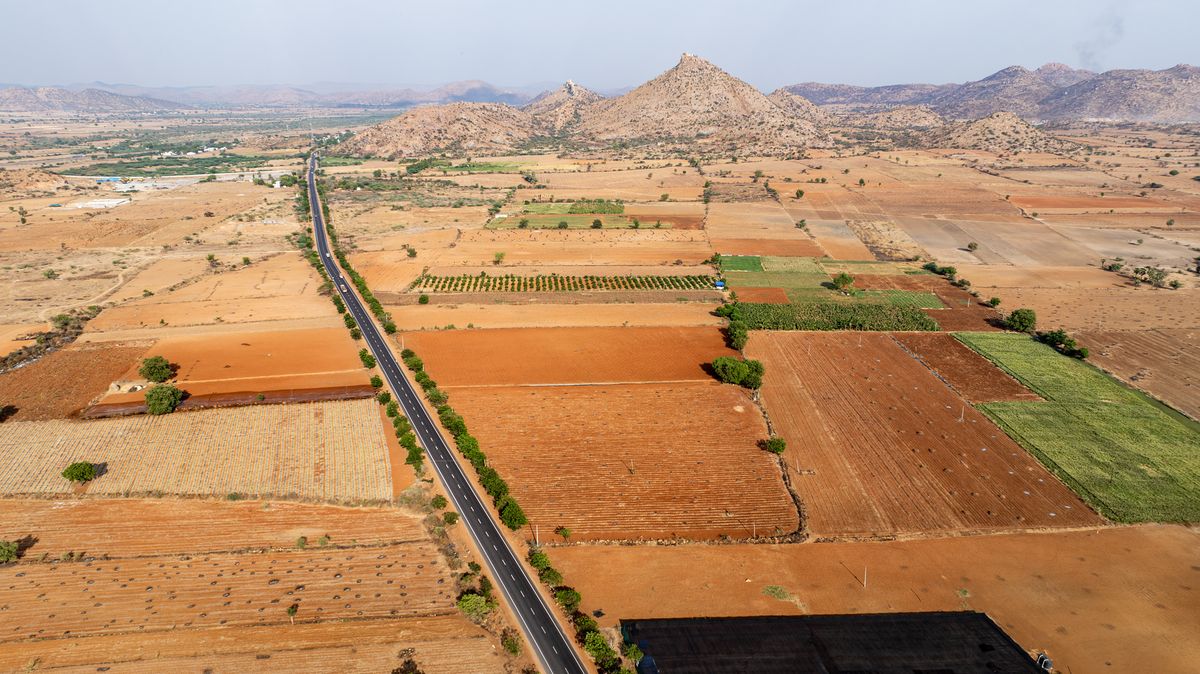
According to the Economic Times, India’s southwest monsoon season has officially concluded with total rainfall recorded at 12% below the long-period average. The uneven distribution of the rains has created significant challenges for key agricultural regions, leading to a noticeable decline in kharif sowing across several states. Experts note that the lack of consistent precipitation has prevented reservoirs from reaching optimal levels, raising concerns regarding soil moisture and the availability of irrigation water for the upcoming rabi season.
The impact of the deficient monsoon is already being felt in commodity markets, where prices for several pulses have risen due to concerns over crop yields and increased demand during the festive season. Regional authorities in Maharashtra have responded to the situation by declaring drought conditions across large parts of the state, while Karnataka is reportedly facing similar agricultural stress.
Agricultural analysts suggest that the shortfall highlights the vulnerability of India's rain-fed farming systems to climate variability. While the government monitors the situation to mitigate the impact on food security and inflation, the focus has shifted toward managing water resources for the winter crop cycle. Further updates on the long-term impact of the monsoon deficit on the broader economy are expected as harvest data becomes available.
Truth Score
85/100
Likely True
Why this score
The report is based on data regarding the conclusion of India's southwest monsoon season, which is a standard meteorological assessment. The details regarding agricultural stress and commodity price impacts are consistent with typical reporting on Indian monsoon performance.
Cross-checked against
No corroborating trusted sources found.
Original report: Economic Times