International · By NoorNews Editorial ·
Are US Military Bases in West Asia Becoming a Strategic Liability?
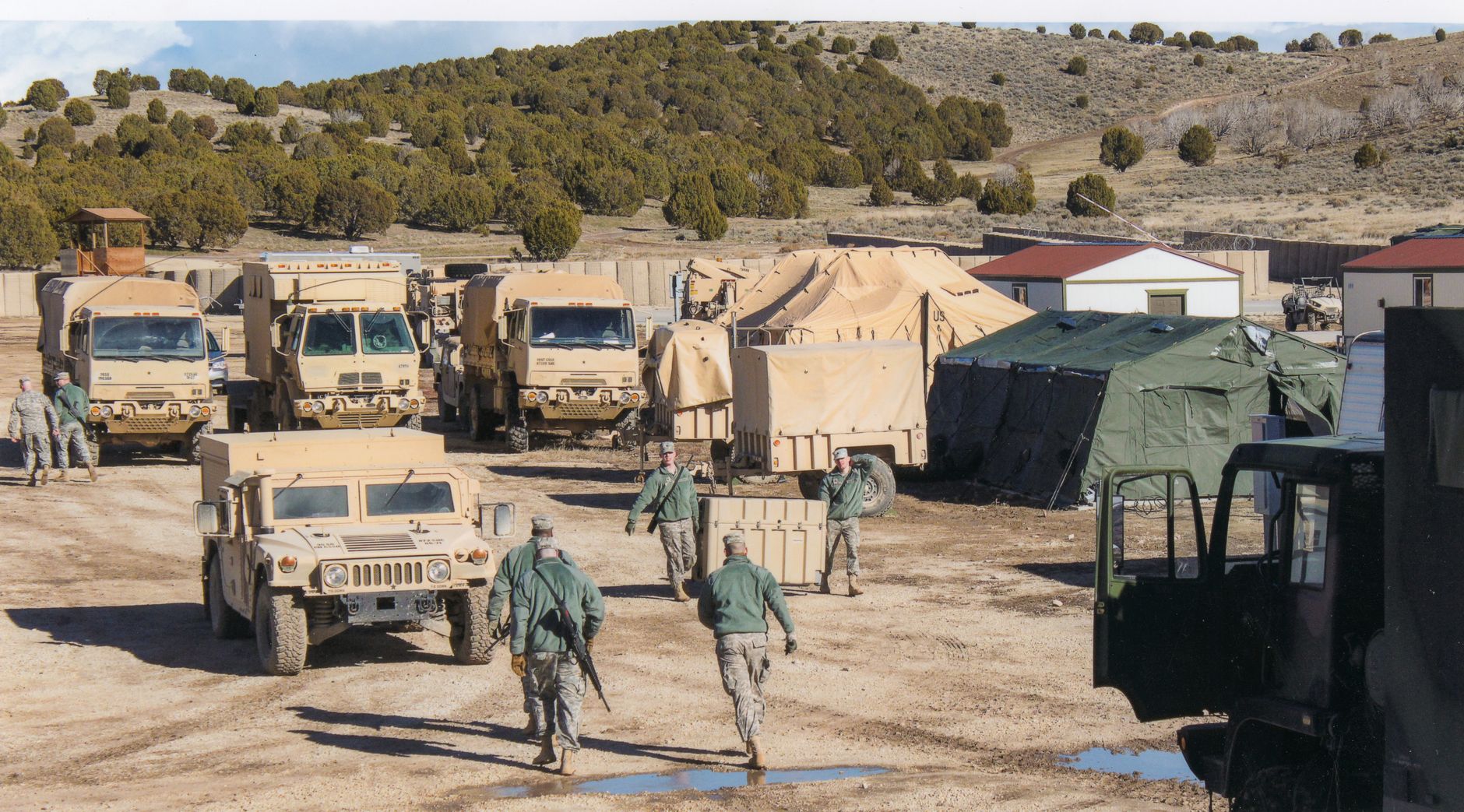
According to the Times of Oman, there is growing debate regarding whether the network of United States military installations across West Asia continues to serve as a pillar of regional stability or has instead evolved into a strategic liability. The analysis suggests that these bases, once established to protect Washington's core interests and ensure the flow of global energy supplies, are increasingly viewed through a more complex lens by regional actors.
As the geopolitical landscape in the Middle East shifts, the presence of foreign military infrastructure is being re-evaluated in the context of emerging regional alliances and changing security priorities. The report highlights that the traditional role of these installations is being challenged by domestic political pressures within host nations and a broader regional desire for greater strategic autonomy. This evolution in perception comes at a time when the United States is navigating complex diplomatic relationships with various partners in the region.
The commentary underscores that the long-term sustainability of these bases may depend on how well they align with the evolving security concerns of the host countries. While these facilities have historically provided a deterrent against regional threats, the current discourse suggests that their presence is now a central factor in the ongoing dialogue between Washington and its regional counterparts. Observers note that the future of these strategic assets will likely be shaped by the outcome of current diplomatic engagements and the shifting priorities of both the United States and its allies in the region.
Truth Score
75/100
Likely True
Why this score
The story presents an analytical perspective on the strategic utility of US military bases in West Asia. As an opinion-based or analytical piece, it does not rely on a single breaking news event, but rather on geopolitical commentary regarding regional security dynamics.
Cross-checked against
No corroborating trusted sources found.
Original report: Times of Oman