India · By NoorNews Editorial ·
Beyond assembly: how India’s next telecom PLI wants to build the supply chain from within
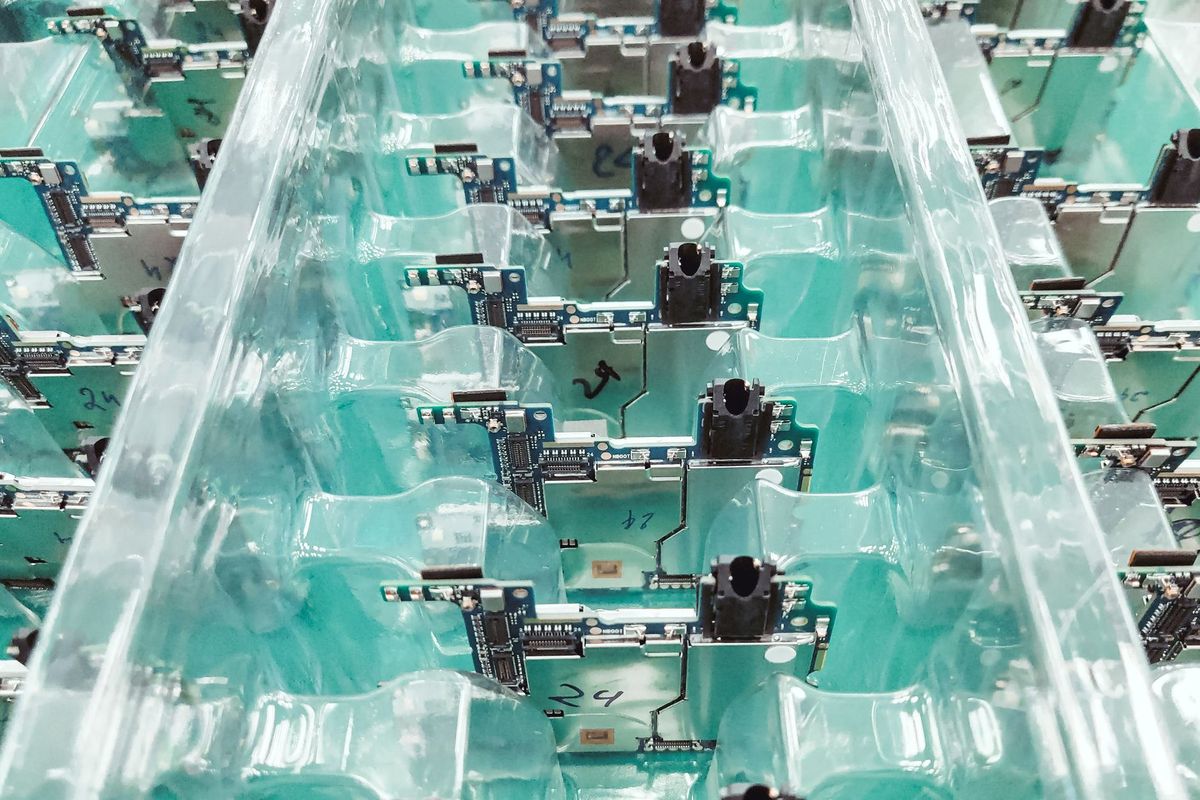
According to a report by Mint, the Indian government is evaluating a strategic expansion of its telecom Production Linked Incentive (PLI) scheme. While the current program, initiated in February 2021, has successfully incentivized the local assembly of network switches, transmission gear, and set-top boxes, officials are now looking to deepen the domestic supply chain. The existing scheme is slated to run through the 2027 fiscal year, but authorities have noted uneven adoption rates across different segments of the telecom hardware sector.
The proposed pivot aims to move beyond simple assembly operations toward a more comprehensive manufacturing ecosystem. By encouraging the domestic production of critical components and sub-assemblies, the government hopes to reduce reliance on imported parts and bolster India's position as a global manufacturing hub. This shift reflects broader efforts to strengthen the 'Make in India' initiative within the high-tech hardware space.
Industry analysts suggest that the transition will require significant investment in research and development, as well as a more robust vendor network. While the current PLI scheme provided a necessary foundation for local production, the next phase is expected to focus on high-value manufacturing. Stakeholders are currently awaiting further details on how the government plans to structure these new incentives to attract both domestic and international players to invest in the deeper supply chain.
Truth Score
85/100
Likely True
Why this score
The story provides a detailed analysis of an existing government policy, the telecom Production Linked Incentive (PLI) scheme, which is a matter of public record. While the specific strategic shift toward supply chain integration is an analytical perspective from Mint, the underlying facts regarding the scheme's timeline and adoption challenges are consistent with known industrial policy developments in India.
Cross-checked against
No corroborating trusted sources found.
Original report: Mint