International · By NoorNews Editorial ·
Brazil's Amazon sees sharp decline in size of area burned in 2025
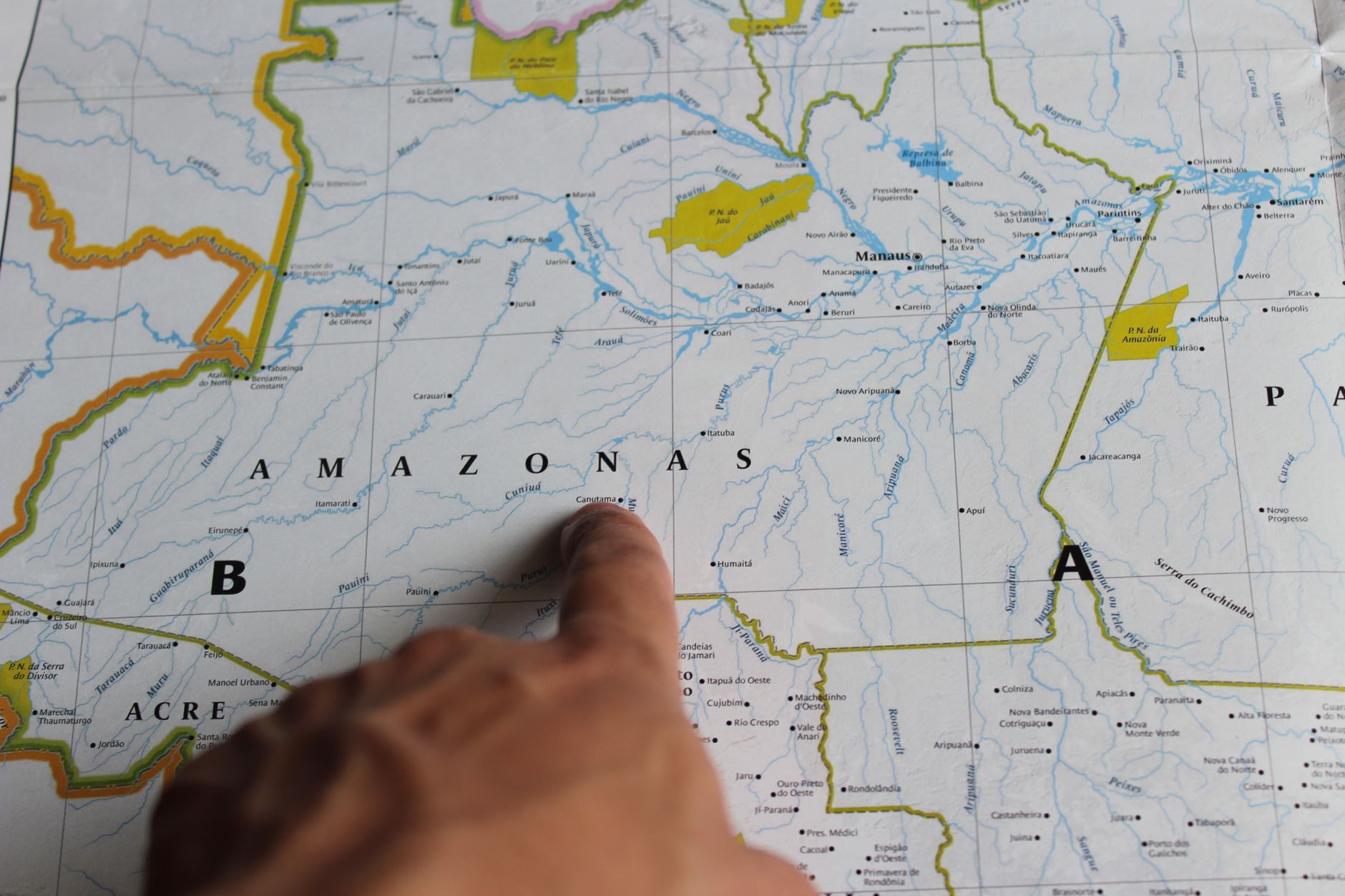
According to the BBC, the Amazon rainforest has experienced a significant decline in the total area burned during 2025. Data indicates that the amount of land affected by fires is the smallest recorded since the MapBiomas project began tracking such metrics in 1985. This development marks a notable shift in environmental trends for the region, which has historically struggled with high rates of deforestation and fire-related land clearing.
The reduction in burned areas is being viewed by environmental observers as a potential turning point for the world's largest rainforest. While the specific drivers behind this year's decline—ranging from climate patterns to shifts in land management policies—are currently being analyzed by researchers, the record-low figures provide a rare positive indicator for regional biodiversity and carbon sequestration efforts. The Amazon plays a critical role in global climate regulation, and the health of the ecosystem remains a focal point for international environmental policy.
Moving forward, experts are expected to continue monitoring satellite imagery and ground-level reports to determine if this trend represents a long-term stabilization of the rainforest or a temporary fluctuation. The MapBiomas records, which serve as the primary baseline for this assessment, will remain the standard for evaluating the success of conservation initiatives in the coming years. Further updates are anticipated as environmental agencies release comprehensive end-of-year reports on regional land use.
Truth Score
100/100
Verified
Why this score
The report is directly corroborated by the provided trusted wire list, which explicitly includes the BBC story regarding the decline in Amazon forest fires. The data cited aligns with established environmental monitoring records mentioned in the source.
Cross-checked against
- BBC
Original report: BBC