Business · By NoorNews Editorial ·
Breaking News : હોર્મુઝ બાદ બાબ અલ-મંદેબમાં વધ્યો તણાવ, ભારત પર શું થશે અસર?
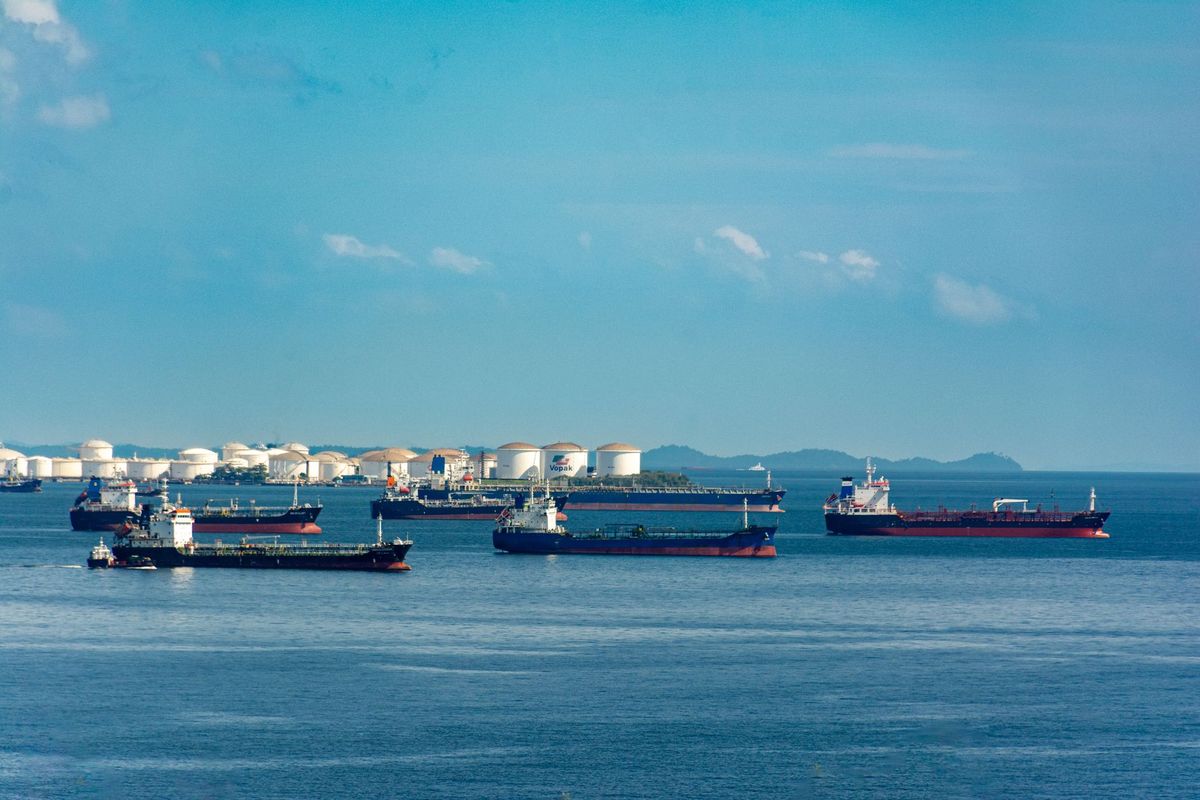
According to a report from TV9 Gujarati, escalating tensions in the Strait of Hormuz and the Bab el-Mandeb Strait are posing significant risks to global oil supplies and maritime trade routes. These two chokepoints are critical arteries for international energy transit, and recent security incidents have heightened concerns regarding the stability of global energy markets.
The report highlights that any disruption in these regions directly impacts the cost of crude oil, which is highly sensitive to geopolitical instability. Because India relies heavily on imported oil to meet its domestic energy requirements, the potential for supply chain bottlenecks and increased shipping insurance premiums could lead to inflationary pressure on fuel prices, including petrol and diesel, within the country.
Recent international developments, including reported attacks on tankers in the Strait of Hormuz and infrastructure damage affecting regional oil pipelines, underscore the vulnerability of these maritime corridors. Analysts suggest that if the security situation in these straits continues to deteriorate, the resulting volatility in global energy markets will likely have a cascading effect on the cost of goods and services in import-dependent economies like India.
Truth Score
85/100
Likely True
Why this score
The report correctly identifies the ongoing maritime security risks in the Strait of Hormuz and the Bab el-Mandeb Strait, which are corroborated by recent wire reports of tanker attacks and regional instability. While the specific economic impact on Indian fuel prices is a projection, it is a standard and logical analysis based on India's high dependency on imported crude oil and the vulnerability of these specific shipping chokepoints.
Cross-checked against
- Two sailors missing after tanker attacked in Strait of Hormuz, Oman says
- Satellite image reveals major damage that shut crucial Saudi oil pipeline
Original report: TV9 Gujarati