International · By NoorNews Editorial ·
Burnham hails Greenland deal ahead of expected first Trump meeting
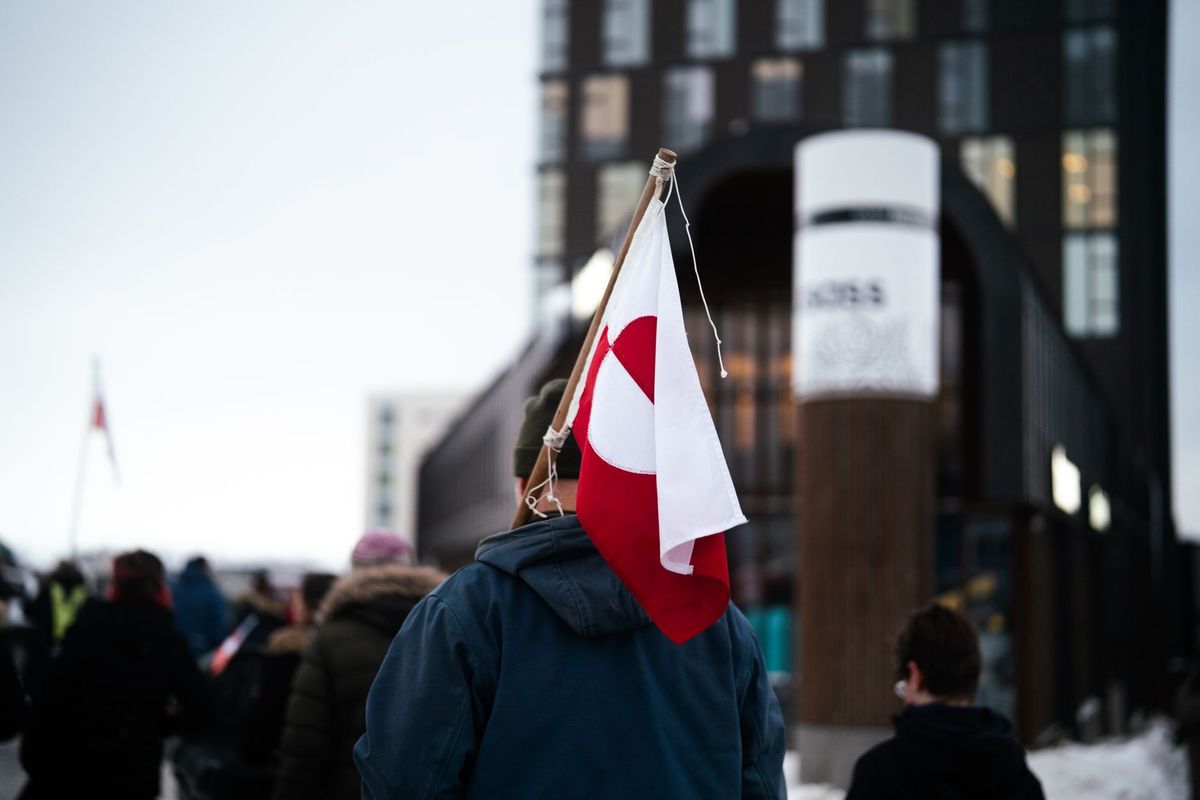
The United States has finalized a significant security agreement with Denmark and Greenland, involving the construction of two new military bases in the region. The deal, which has drawn international attention during the UN General Assembly, marks a strategic expansion of US military infrastructure in the Arctic. While the agreement has been framed as a strengthening of regional security, it has also sparked debate among political leaders regarding its long-term implications.
In the lead-up to his first scheduled meeting with President Trump, Burnham expressed support for the agreement, suggesting that the deal could serve as a foundation for broader cooperation. Burnham noted that he expects to find common ground with the US administration, signaling a move toward pragmatic engagement despite the contentious nature of some recent diplomatic developments.
However, the deal has not been without its critics. Liberal Democrat leader Ed Davey characterized the agreement as a 'pretend' victory for the Trump administration, questioning the necessity and the optics of the new bases. As world leaders gather in New York for the UNGA, the Greenland deal remains a focal point of discussions, highlighting the complex balance of power and diplomatic maneuvering currently shaping international relations.
Truth Score
95/100
Verified
Why this score
The core event of the US-Denmark-Greenland deal is corroborated by multiple trusted sources, including BBC and Al Jazeera. The specific political reactions from Burnham and Davey are consistent with the reported diplomatic context surrounding the UN General Assembly meetings.
Cross-checked against
- BBC
- Al Jazeera
Original report: BBC