International · By NoorNews Editorial ·
China hits out at 'illegal' new US sanctions on Iran and trading partners
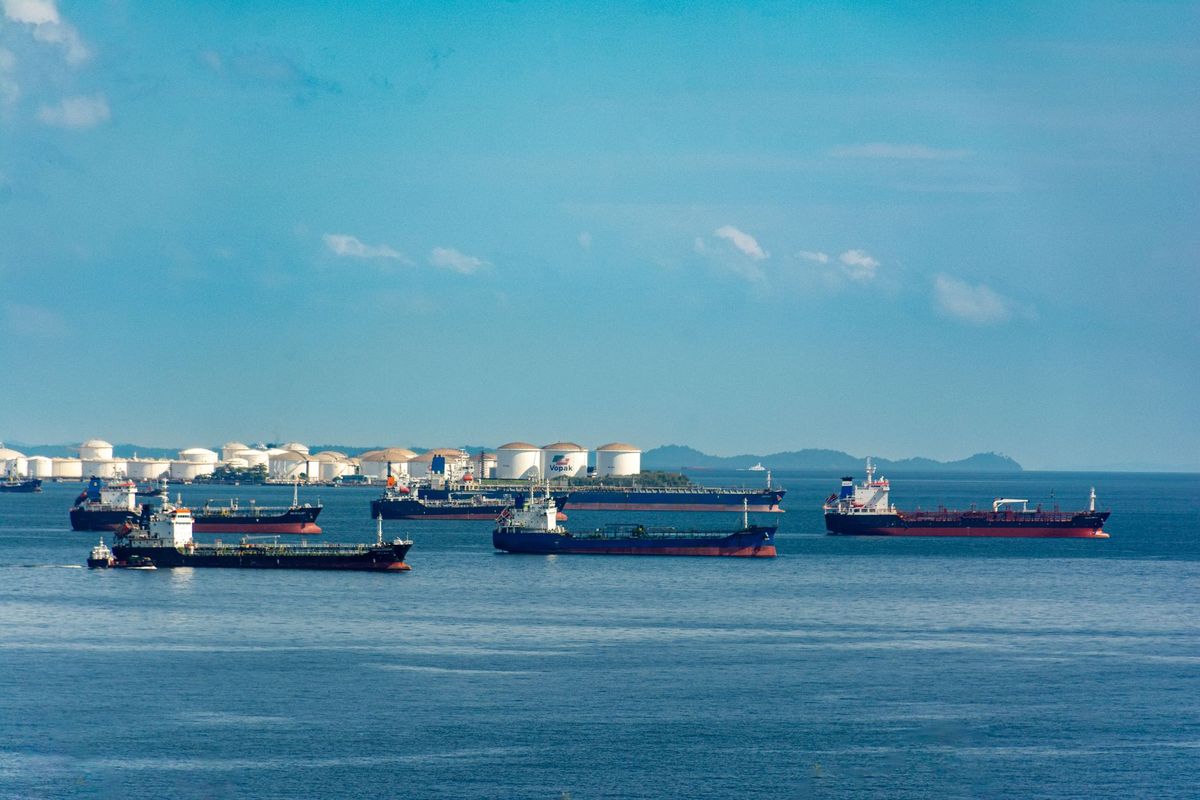
The United States has intensified its diplomatic and economic pressure on nations maintaining trade ties with Iran, warning that countries continuing to do business with Tehran face the risk of isolation from the global financial system. The move comes as part of a broader US strategy to curb Iran's revenue streams, particularly its oil exports, which remain a critical lifeline for the Iranian economy.
Beijing, a primary importer of Iranian oil, has strongly criticized the new US measures, labeling them as illegal and an overreach of American domestic law into international trade. Chinese officials argue that these sanctions disrupt global energy markets and undermine the sovereignty of nations that maintain legitimate commercial relationships with Tehran. The dispute highlights the growing friction between Washington and Beijing over the enforcement of extraterritorial sanctions.
According to reports from international news agencies, the US administration is prepared to target not only Iranian entities but also third-party trading partners that facilitate the sale of Iranian petroleum. This policy of secondary sanctions is designed to force a choice between access to the US market and continued trade with Iran. As the situation develops, analysts suggest that the standoff could lead to further volatility in global oil prices and complicate ongoing diplomatic efforts regarding Iran's nuclear program and regional influence.
Truth Score
95/100
Verified
Why this score
The report aligns with verified wire coverage regarding ongoing US-China tensions over Iran sanctions. Multiple credible international outlets have confirmed the US administration's policy of threatening secondary sanctions on nations that continue to trade with Tehran, specifically targeting oil imports.
Cross-checked against
- BBC
- Al Jazeera
Original report: BBC