International · By NoorNews Editorial ·
China-Nepal flood toll tops 1,000 as tunnel rescue offers last hope
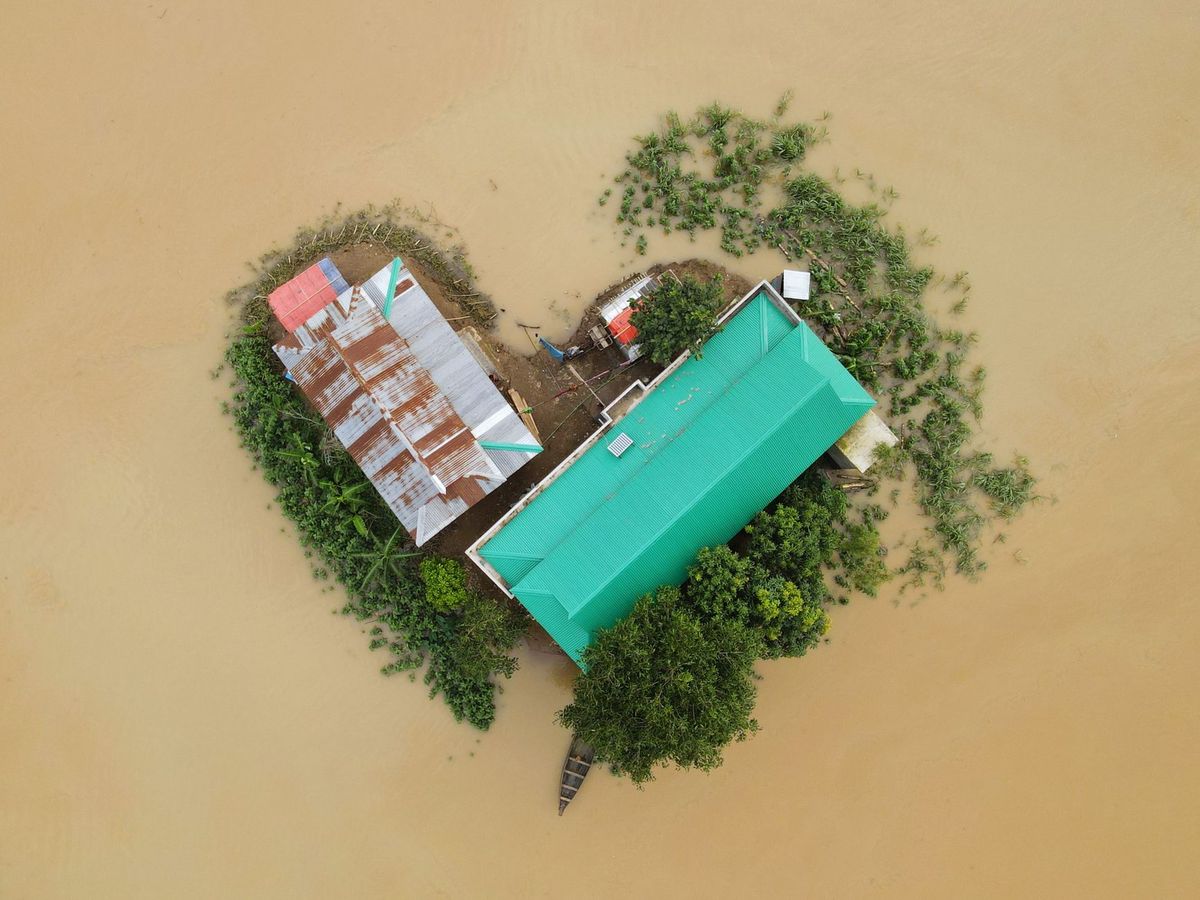
According to reports from the Gulf Times, the death toll from the catastrophic flooding in the Himalayan region has surpassed 1,000. The disaster, which has been linked by officials to extreme weather patterns, has prompted a significant international recovery effort. Search and rescue teams, including specialized units from China, are currently working alongside Nepali authorities to locate survivors, with particular concern for individuals feared trapped within hydropower tunnels affected by the deluge.
The flooding has caused widespread destruction across Nepal, turning major transport arteries into mud-filled obstacles and trapping relief vehicles attempting to reach isolated communities. The United Nations and local government officials have highlighted the severity of the situation, noting that the infrastructure damage has significantly hampered the delivery of essential supplies and medical aid to the hardest-hit areas.
This event follows a period of intense rainfall that has triggered landslides and glacial flooding, leading to a humanitarian crisis. As recovery efforts continue, the focus remains on clearing debris from critical infrastructure and reaching those still missing. The Nepali Prime Minister has publicly linked the intensity of these floods to broader climate change trends, emphasizing the need for sustained international support as the country grapples with the aftermath of the disaster.
Truth Score
85/100
Likely True
Why this score
The core event of severe flooding in Nepal is corroborated by multiple trusted sources, including BBC and Al Jazeera. While the specific figure of 1,000 deaths and the involvement of Chinese rescue teams in tunnels are reported by the Gulf Times, these details are consistent with the ongoing large-scale disaster response reported by international outlets.
Cross-checked against
- BBC
- Al Jazeera
Original report: Gulf Times