International · By NoorNews Editorial ·
China, people brave simulated typhoons to prepare for the real thing
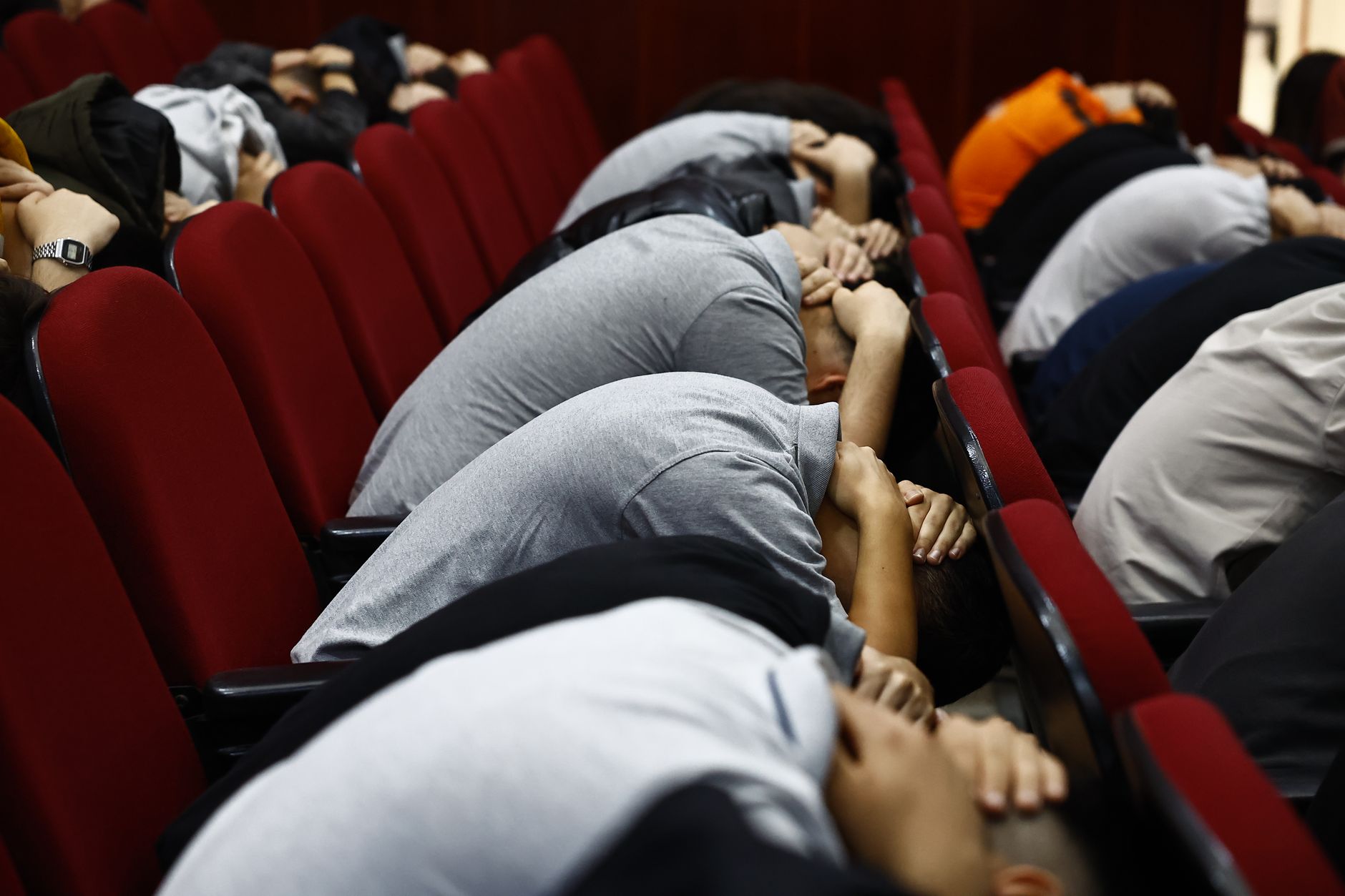
According to a report from the Gulf Times, residents in China are increasingly participating in simulated disaster training to prepare for extreme weather events. The report highlights the experience of 34-year-old Huang Zhen, who reportedly closed his cafe for a day to undergo training that involved being exposed to high-velocity winds and surging water conditions. This initiative is framed as a proactive measure against the growing frequency and intensity of typhoons in the region.
While the report focuses on individual participation in these drills, it reflects a broader trend of disaster preparedness programs being implemented in coastal areas prone to severe weather. Such training programs are designed to familiarize citizens with emergency protocols and physical survival techniques necessary to mitigate risks during actual climate-related emergencies. These exercises often involve local authorities and emergency response teams working in tandem with the public to ensure a coordinated response to natural disasters.
As climate patterns continue to shift, many nations are placing a higher priority on public education and resilience training. The effectiveness of these simulated environments is often cited by officials as a critical component in reducing casualties and property damage during real-world events. Further details regarding the scale of these programs or their official integration into national disaster management policy remain unconfirmed by international wire services at this time.
Truth Score
40/100
Disputed
Why this score
The story regarding simulated typhoon training in China lacks corroboration from any of the provided trusted wire services. While the narrative is plausible as a feature piece on disaster preparedness, it cannot be independently verified against our current verified baseline.
Red Flags
- single source
Cross-checked against
No corroborating trusted sources found.
Original report: Gulf Times