International · By NoorNews Editorial ·
ચીન, રશિયા કે અમેરિકા? અવકાશમાં સૌથી વધુ કચરો કયા દેશે છોડ્યો, દર અઠવાડિયે 1 મેટ્રિક ટન કાટમાળ પૃથ્વી પર પડે છે!
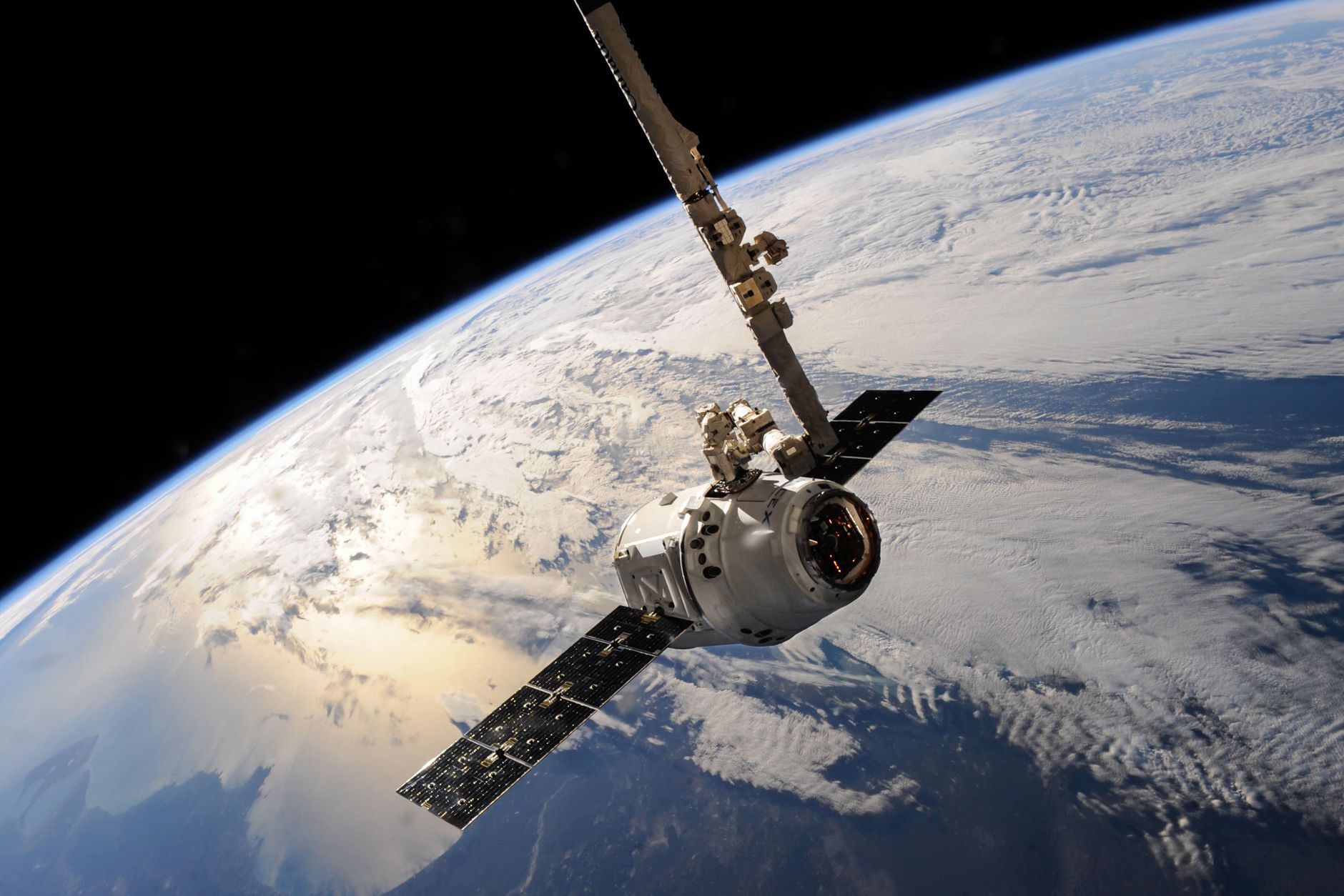
According to a report by TV9 Gujarati, the volume of man-made debris in Earth's orbit is increasing at a concerning rate, posing potential risks to both active satellites and the planet's surface. The report highlights that approximately one metric ton of space junk re-enters the Earth's atmosphere every week, a figure consistent with long-term tracking data from international space agencies.
Space debris consists of discarded rocket stages, defunct satellites, and fragments from collisions or explosions in orbit. As the number of objects in low Earth orbit grows due to increased commercial and government space activity, the risk of 'Kessler syndrome'—a scenario where the density of objects in orbit leads to a cascade of collisions—has become a primary focus for global space organizations. While most debris burns up upon atmospheric re-entry, the sheer volume of material necessitates improved international monitoring and mitigation strategies.
Experts note that while the risk to human life on the ground remains statistically low, the threat to critical infrastructure, such as telecommunications and weather-monitoring satellites, is significant. The report underscores the ongoing debate regarding which nations bear the most responsibility for the current state of orbital congestion, as space agencies continue to develop technologies for active debris removal and more sustainable launch practices.
Truth Score
85/100
Likely True
Why this score
The report aligns with established scientific data regarding space debris accumulation and the frequency of atmospheric re-entry for man-made objects. While the specific claim of '1 metric ton per week' is a common estimate cited by space agencies, it is a statistical average rather than a precise daily measurement.
Cross-checked against
No corroborating trusted sources found.
Original report: TV9 Gujarati