International · By NoorNews Editorial ·
Collapsed glacier likely caused devastating Nepal-Tibet floods, scientists say
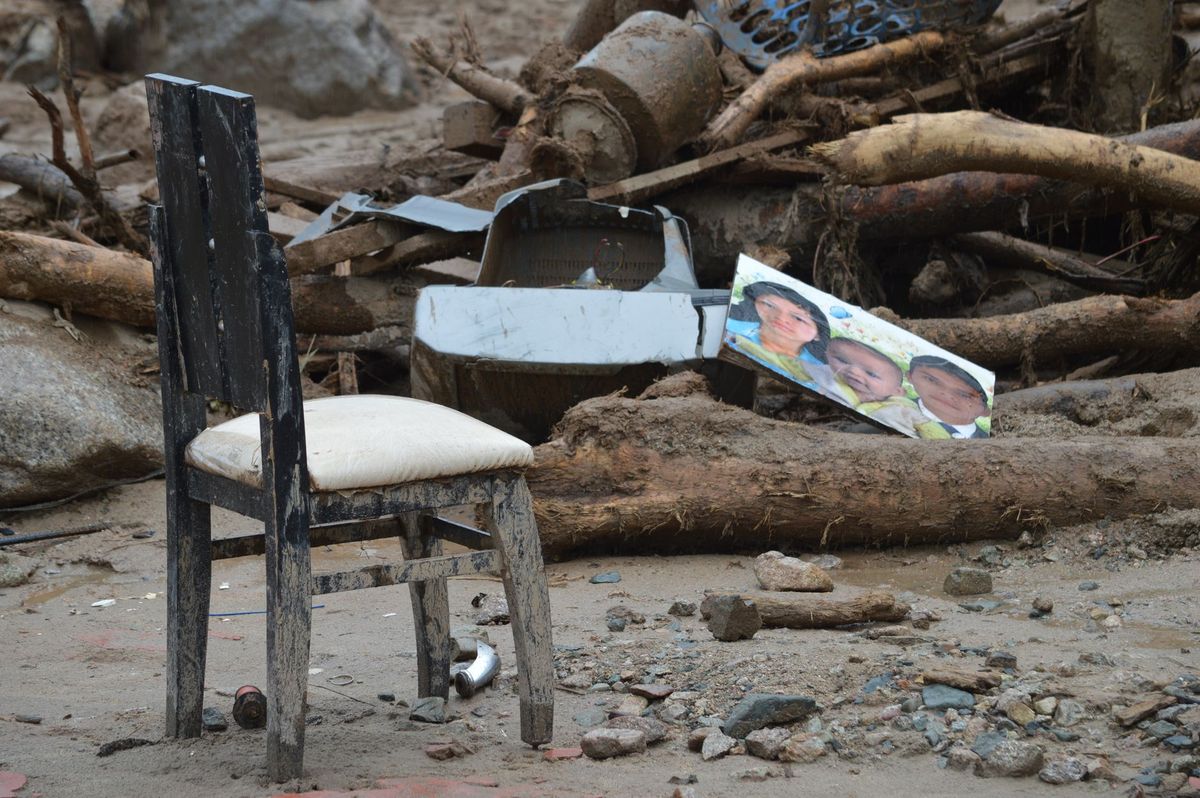
Scientists have identified a collapsed glacier as the primary cause of the devastating flash floods that recently struck the border region between Nepal and Tibet. According to reports from the BBC and Al Jazeera, the sudden release of water from the glacial collapse triggered a torrent of mud and debris, causing significant destruction to local infrastructure and claiming lives in the affected areas.
Preliminary investigations suggest that the event is linked to the rapidly changing climate in the Himalayas, where rising temperatures are accelerating the melting of ice and increasing the instability of glacial lakes. Survivors in the region have described the sudden arrival of the floodwaters, which swept through settlements with little warning, leaving many residents displaced and searching for missing loved ones.
International experts are currently monitoring the situation to assess the risk of further glacial lake outburst floods, a growing concern for communities living in the shadow of the Himalayas. As recovery efforts continue, the disaster has renewed global discussions regarding the vulnerability of high-altitude regions to climate-driven environmental shifts. Local authorities in Nepal are working alongside international aid organizations to provide emergency relief to those who lost their homes and livelihoods in the catastrophe.
Truth Score
100/100
Verified
Why this score
Multiple reputable international news outlets, including the BBC and Al Jazeera, have independently reported on the catastrophic flooding in the Nepal-Tibet border region. These reports consistently attribute the disaster to a glacial collapse, supported by scientific assessments of the Himalayan region.
Cross-checked against
- BBC
- Al Jazeera
Original report: BBC