Business · By NoorNews Editorial ·
Critical mineral demand to surge through 2040, supply gaps to persist: IEA
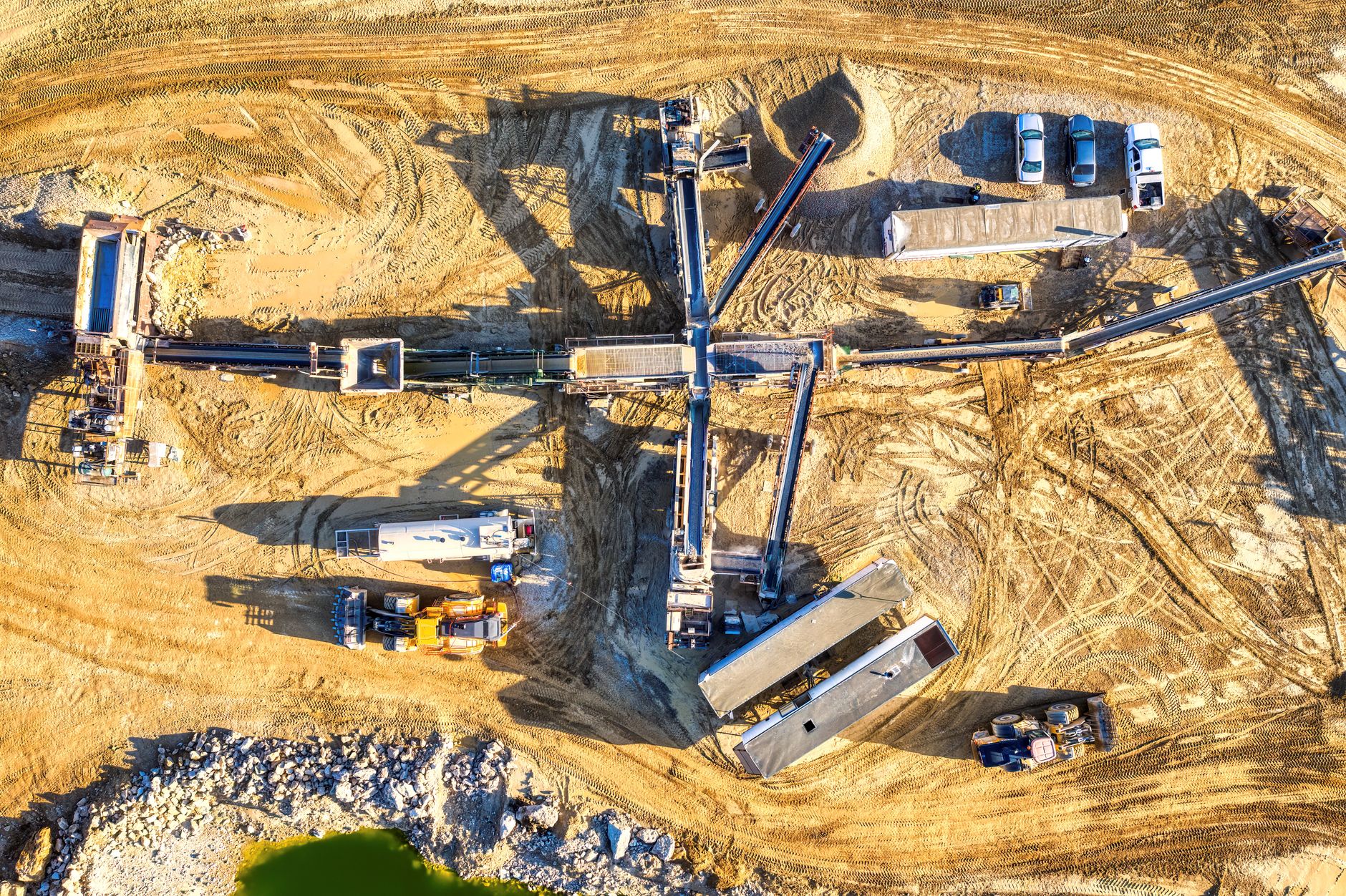
According to the Times of Oman, the International Energy Agency (IEA) has projected that global demand for critical minerals will continue to rise significantly through 2040. This surge is primarily attributed to the rapid global expansion of electric vehicle manufacturing, large-scale battery storage infrastructure, and the broader transition toward renewable energy technologies.
The report highlights that despite increased investment in mining and processing, supply gaps are expected to persist for several key minerals. These shortages pose a potential challenge to international climate goals, as the availability of materials like lithium, cobalt, and nickel remains essential for the production of clean energy hardware. The IEA's analysis suggests that without accelerated development of new extraction projects and improved recycling efficiencies, the market may face continued volatility.
This forecast underscores the growing importance of mineral security in global trade and industrial policy. As nations compete to secure supply chains for the energy transition, the IEA emphasizes the need for diversified sources and sustainable mining practices to mitigate long-term supply risks. The findings serve as a benchmark for policymakers and investors assessing the viability of long-term decarbonization strategies.
Truth Score
85/100
Likely True
Why this score
The report aligns with the International Energy Agency's (IEA) well-documented and recurring long-term projections regarding the energy transition and mineral supply chains. As a standard industry outlook, it is consistent with established economic data and climate policy analysis.
Cross-checked against
No corroborating trusted sources found.
Original report: Times of Oman