Business · By NoorNews Editorial ·
Crude oil is not the problem; refining is
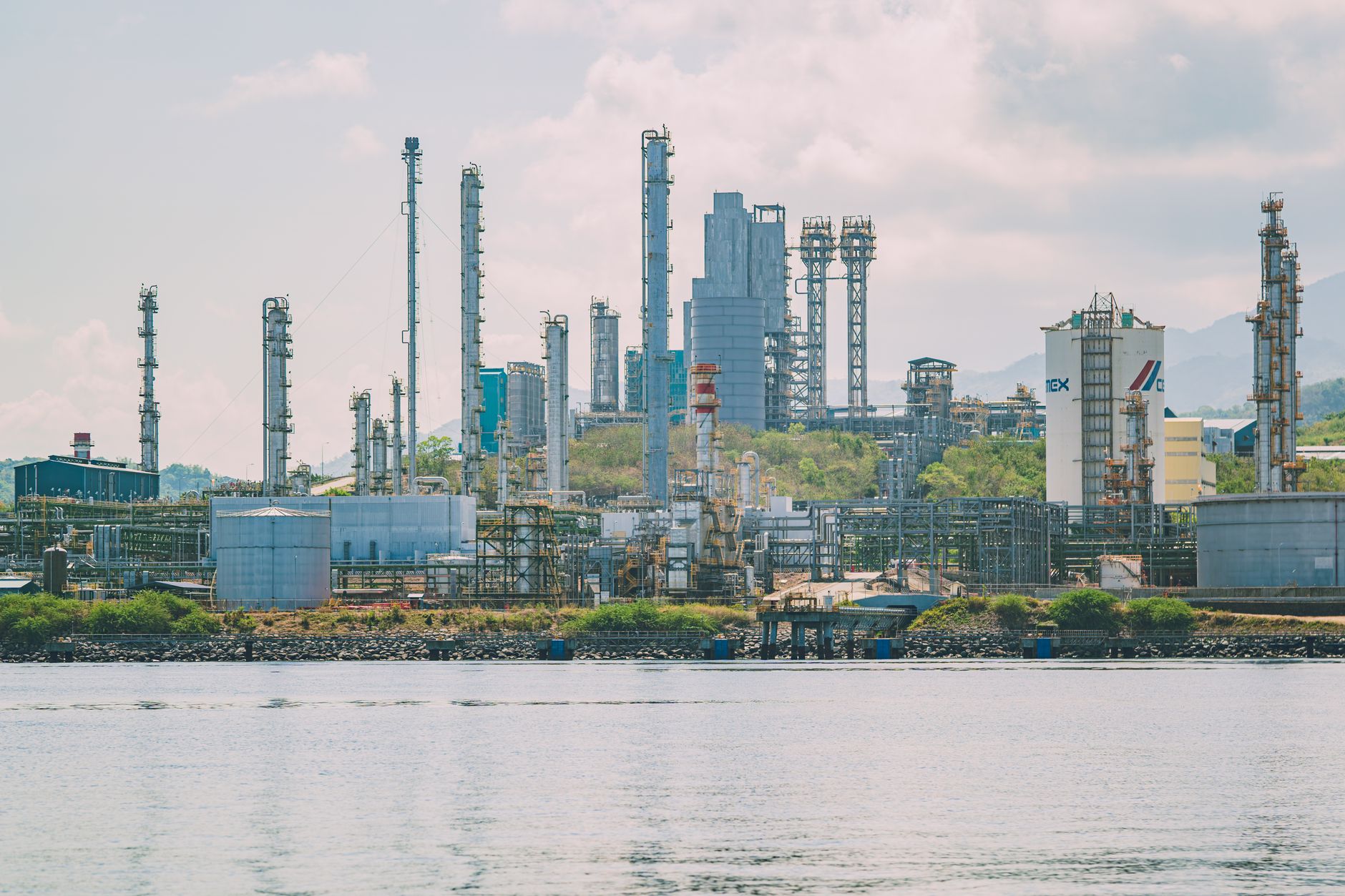
According to a report from the Arab Times Kuwait, the primary challenge facing global energy markets is not a shortage of crude oil supply, but rather the vulnerability of refining infrastructure. The analysis suggests that targeted attacks on refineries in major oil-producing regions, including the Arabian Gulf and Russia, pose a more significant threat to global energy stability than fluctuations in crude production levels.
The report highlights that while crude oil extraction remains robust in many key regions, the downstream capacity to process that oil into usable fuel is increasingly susceptible to geopolitical instability and security threats. Disruptions to these critical facilities can lead to rapid volatility in fuel prices and supply chain bottlenecks, even when global crude inventories appear sufficient.
Industry experts have frequently noted that the concentration of refining capacity in specific geographic zones makes the global energy market sensitive to localized conflicts. As security concerns persist in major oil-exporting corridors, the focus of market analysts has shifted toward the resilience of processing infrastructure. The Arab Times Kuwait piece underscores the necessity for energy-producing nations to prioritize the protection of these facilities to ensure consistent global supply and price stability.
Truth Score
75/100
Likely True
Why this score
The article provides a logical analysis of energy market vulnerabilities, specifically citing the impact of infrastructure disruptions on global supply chains. While the core premise regarding refinery vulnerability is a widely discussed geopolitical and economic concern, the specific claim remains an analytical perspective rather than a report of a single, verifiable breaking event.
Cross-checked against
No corroborating trusted sources found.
Original report: Arab Times Kuwait