Tech · By NoorNews Editorial ·
ʼಡಿಜಿಟಲ್ ಡಯಟ್ʼ | AI ರಚಿತ ಡಯಟ್ ಪ್ಲಾನ್ ಆ್ಯಪ್ ಗಳು ಜೀರ್ಣಾಂಗ ವ್ಯವಸ್ಥೆಯನ್ನು ಸುಧಾರಿಸಬಲ್ಲವೇ?
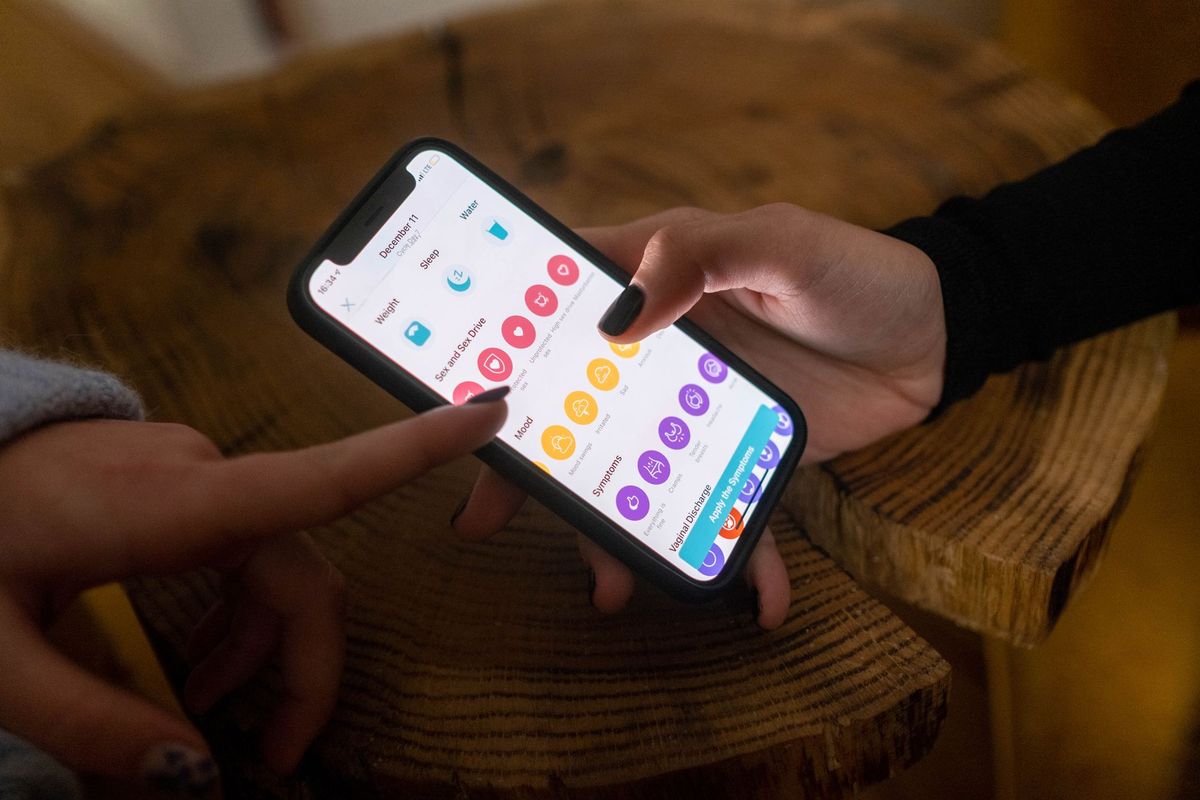
According to Vartha Bharati, the rise of artificial intelligence is increasingly influencing the fields of nutrition and healthcare. AI-powered diet planning applications are now capable of generating personalized meal plans by analyzing a user's age, medical history, dietary preferences, allergies, and lifestyle habits. As digestive health issues become more prevalent globally, these tools are being explored for their potential to assist in managing gut health.
However, medical experts emphasize that while AI-generated diet plans can provide a positive starting point, they should not be considered a substitute for professional medical consultation. Doctors suggest that these technologies are most effective when used as a supplement to, rather than a replacement for, qualified medical advice. The complexity of human metabolism and individual health conditions often requires the nuanced understanding of a trained nutritionist or physician.
As technology continues to integrate into daily wellness routines, the consensus among health professionals remains that AI tools should be viewed as supportive resources. Users are encouraged to verify AI-generated recommendations with healthcare providers, particularly when managing chronic conditions or specific dietary requirements, to ensure safety and long-term efficacy.
Truth Score
85/100
Likely True
Why this score
The story provides a balanced perspective on the utility of AI-generated diet plans, correctly noting that while they offer personalized convenience, they should not replace professional medical advice. The reporting aligns with general consensus in the health-tech sector regarding the role of AI as a supportive tool rather than a diagnostic one.
Cross-checked against
No corroborating trusted sources found.
Original report: Vartha Bharati