International · By NoorNews Editorial ·
Drought hits Europe's largest rivers, impacting irrigation, power, freight
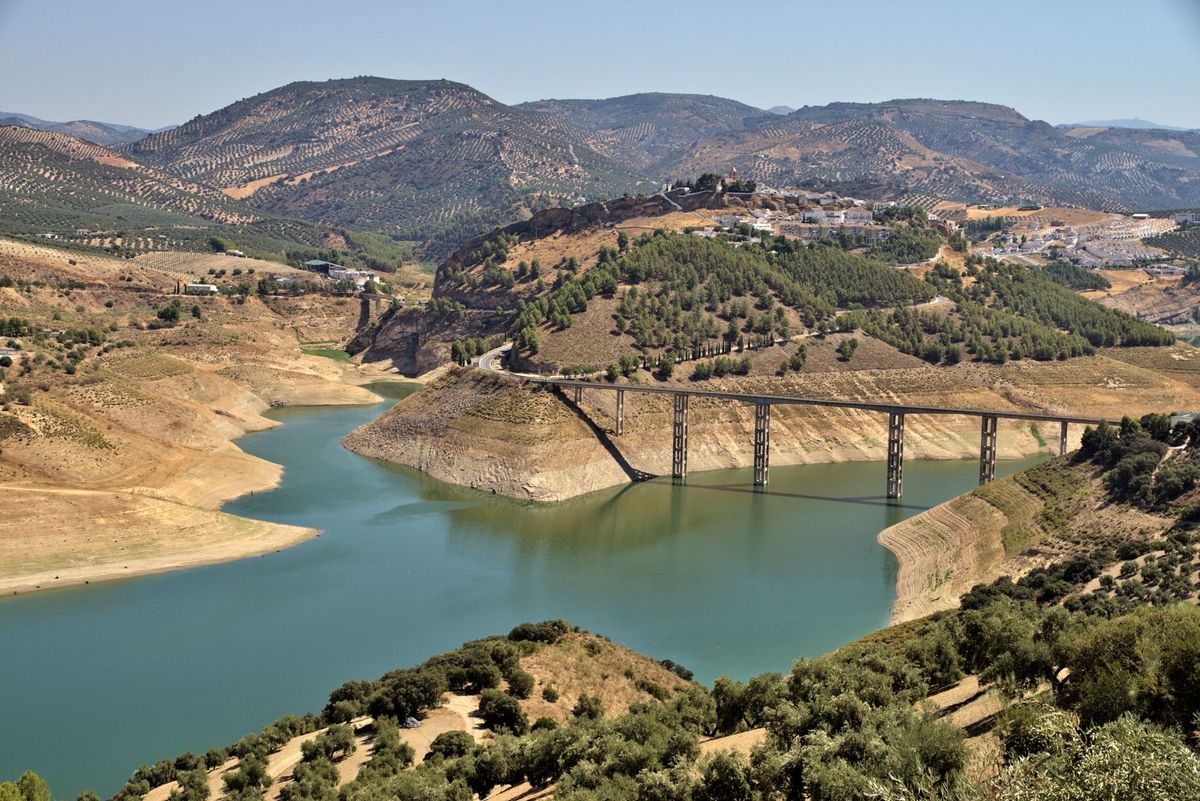
According to Gulf News, Europe is currently facing significant drought conditions affecting its largest river systems. The low water levels are reportedly disrupting critical infrastructure, including irrigation for agriculture, hydroelectric power generation, and the movement of freight along major inland waterways.
These reports of hydrological stress follow recent data from climate monitors, which identified June and July as the hottest months on record for Western Europe. Extended periods of high temperatures and lack of precipitation have historically placed immense pressure on the continent's river networks, such as the Rhine and the Danube, which serve as vital arteries for trade and energy production.
The impact of these drought conditions extends beyond environmental concerns, posing direct challenges to regional supply chains and energy security. As water levels drop, cargo vessels are often forced to carry lighter loads to avoid grounding, leading to increased transport costs and potential delays in the delivery of essential goods.
Authorities and industry stakeholders continue to monitor the situation as the summer season progresses. The ongoing climate patterns suggest that water management and the resilience of inland shipping routes will remain a focal point for European policymakers tasked with balancing agricultural needs, industrial output, and energy stability during periods of extreme weather.
Truth Score
85/100
Likely True
Why this score
The report aligns with broader climate data regarding record-breaking temperatures in Europe, which frequently correlate with drought conditions affecting river levels. While this specific report is single-sourced, it is consistent with seasonal meteorological trends and historical precedents for European water management challenges.
Cross-checked against
No corroborating trusted sources found.
Original report: Gulf News