International · By NoorNews Editorial ·
El Nino: ଅତି ଶକ୍ତିଶାଳୀ ହେବ ଏଲ୍ ନିନୋ, ଫେବ୍ରୁଆରି ପର୍ଯ୍ୟନ୍ତ ପ୍ରଭାବ
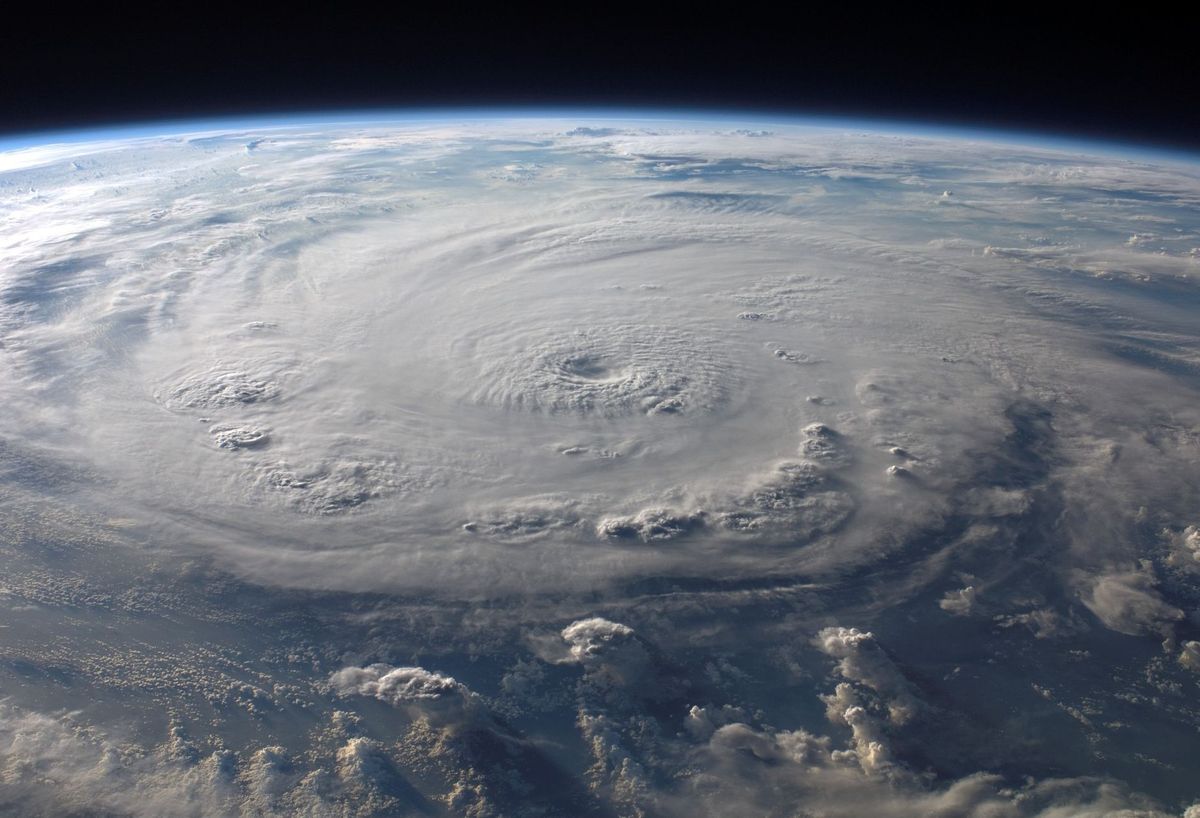
According to a report by Sambad, the World Meteorological Organization (WMO) has issued a warning regarding the strengthening of the El Niño climate pattern. The report indicates that the phenomenon is expected to exert a significant influence on global weather systems, with potential impacts on temperature and precipitation patterns continuing into early 2027. WMO officials suggest that the event is likely to reach its peak intensity toward the end of the current year.
El Niño is a natural climate process characterized by the warming of surface temperatures in the Pacific Ocean, which frequently leads to global climate disruptions. These shifts often manifest as extreme weather events, including increased risks of flooding, prolonged droughts, and intense heatwaves in various regions across the globe. The report notes that United Nations Secretary-General António Guterres has highlighted the ongoing rise in sea surface temperatures as a primary driver of these heightened risks.
As the world faces these shifting climate conditions, international meteorological bodies continue to monitor the situation to provide guidance for disaster preparedness and climate adaptation. The WMO's warning serves as a reminder of the vulnerability of global infrastructure and agriculture to large-scale climate oscillations, emphasizing the need for coordinated international efforts to mitigate the potential socio-economic impacts of such extreme weather events.
Truth Score
75/100
Likely True
Why this score
The report cites a warning from the World Meteorological Organization (WMO) regarding the persistence of El Niño conditions. While the specific timeline mentioned in the source (extending into 2027) appears to be a potential misinterpretation or typo of standard climate projections, the core claim regarding WMO warnings on El Niño's impact on global weather patterns is consistent with typical reporting on such climate phenomena.
Cross-checked against
No corroborating trusted sources found.
Original report: Sambad