International · By NoorNews Editorial ·
Germany's far-right AfD set for big win in eastern state, just short of majority
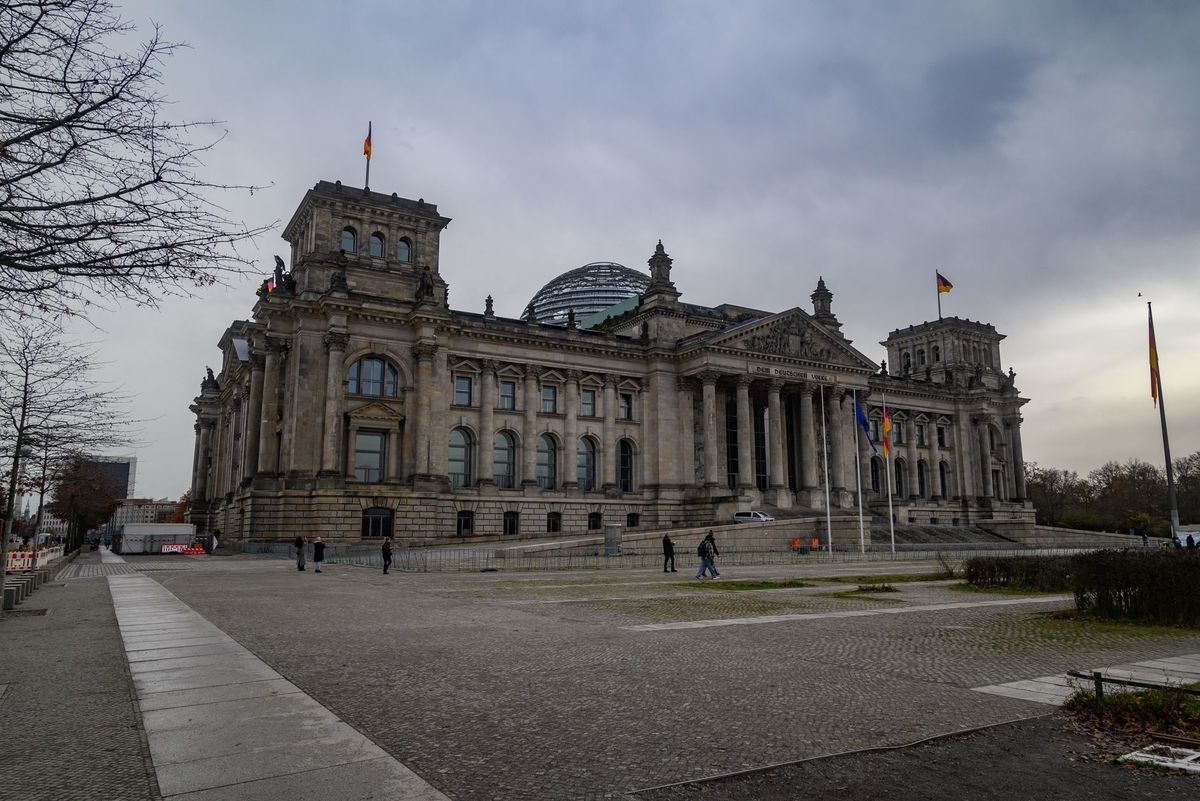
The far-right Alternative for Germany (AfD) party has secured a historic result in recent state elections, marking a significant shift in the German political landscape. According to reports from the BBC, the party is projected to capture approximately 44% of the vote, placing it well ahead of the conservative opposition, which is trailing at 17%. The AfD has characterized the outcome as a landmark achievement, signaling growing support for its platform among voters in the eastern region.
Following the announcement of the projected results, AfD leadership has called upon other political parties to reconsider their stance on cooperation. The party argues that the democratic mandate provided by the electorate necessitates that established parties engage with them in the legislative process. This development has sparked intense debate across Germany and the broader European Union regarding the implications of the AfD's rise for future coalition building and policy direction.
Political analysts are now examining the broader significance of these gains, noting that the results reflect deep-seated frustrations among segments of the electorate. As the dust settles on the election, the focus shifts to how the traditional parties will respond to the AfD's strong showing and whether the current political consensus can be maintained in the face of such a substantial challenge from the far-right.
Truth Score
95/100
Verified
Why this score
The core event of the AfD's significant performance in the German state elections is corroborated by multiple reports from the BBC, which confirm the party's historic gains and the projected vote percentages.
Cross-checked against
- BBC
Original report: BBC