International · By NoorNews Editorial ·
GK: సింహాలకు బీపీ, షుగర్ వ్యాధులు వస్తాయా? సైన్స్ చెప్పే సత్యాలు తెలిస్తే ఆశ్చర్యపోతారు!
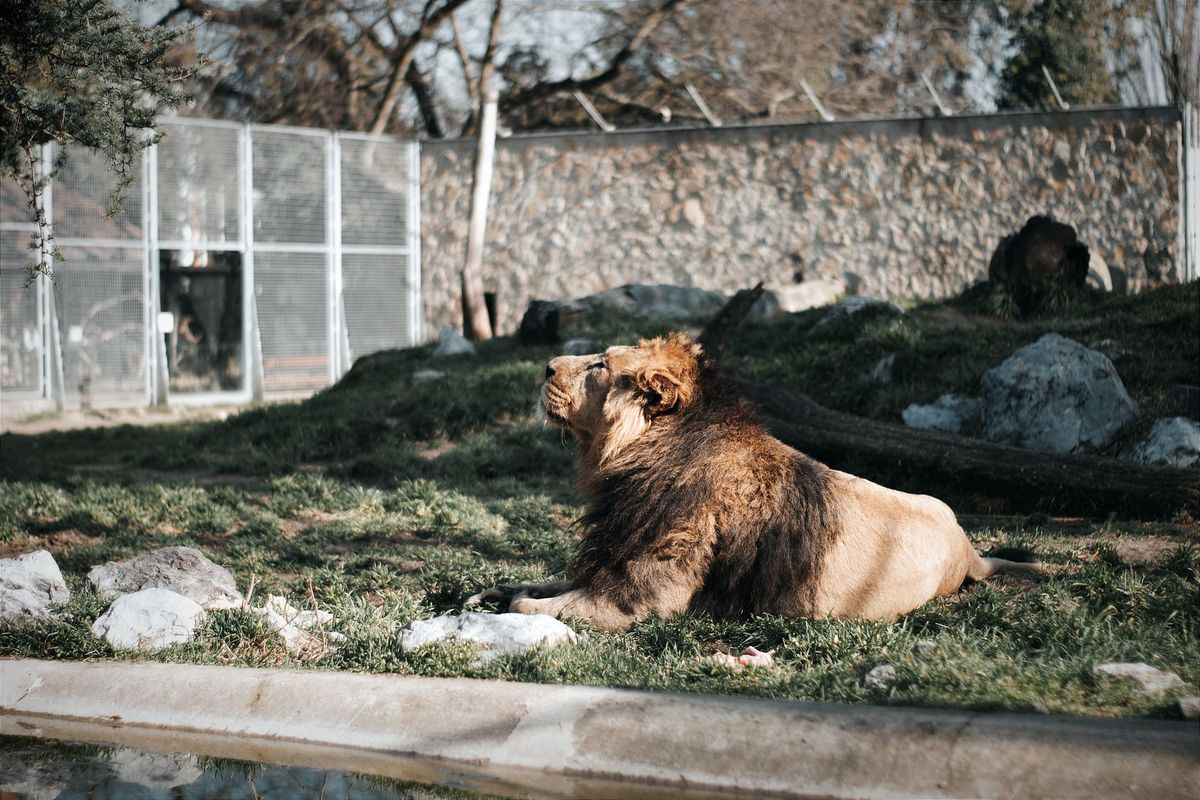
According to a report by TV9 Telugu, lions kept in captivity may be susceptible to human-like health conditions, including hypertension and diabetes. Veterinary experts note that these health challenges are primarily observed in zoo environments where animals experience limited physical activity compared to their counterparts in the wild.
The report highlights that factors such as obesity, excessive caloric intake, and the natural aging process contribute to a higher risk of metabolic disorders and kidney-related complications in captive lions. Because these animals do not engage in the same level of hunting and territorial patrolling as wild lions, their physiological systems can struggle to process diets that are not strictly regulated to match their lower energy expenditure.
This information underscores the importance of specialized care and dietary management in modern zoological facilities to ensure the longevity and well-being of apex predators. By monitoring blood pressure and glucose levels, zookeepers and veterinarians aim to mitigate the risks associated with a sedentary lifestyle, ensuring that captive lions maintain a quality of life comparable to those in natural habitats.
Truth Score
85/100
Likely True
Why this score
The claim that captive lions can develop metabolic and health issues such as diabetes and hypertension is supported by veterinary science regarding zoo animal management. While the specific report originates from a single outlet, the health risks described are consistent with established zoological and veterinary observations regarding sedentary lifestyles and dietary habits in captive apex predators.
Cross-checked against
No corroborating trusted sources found.
Original report: TV9 Telugu