International · By NoorNews Editorial ·
Guatemala volcano eruption sends lava spewing into the air
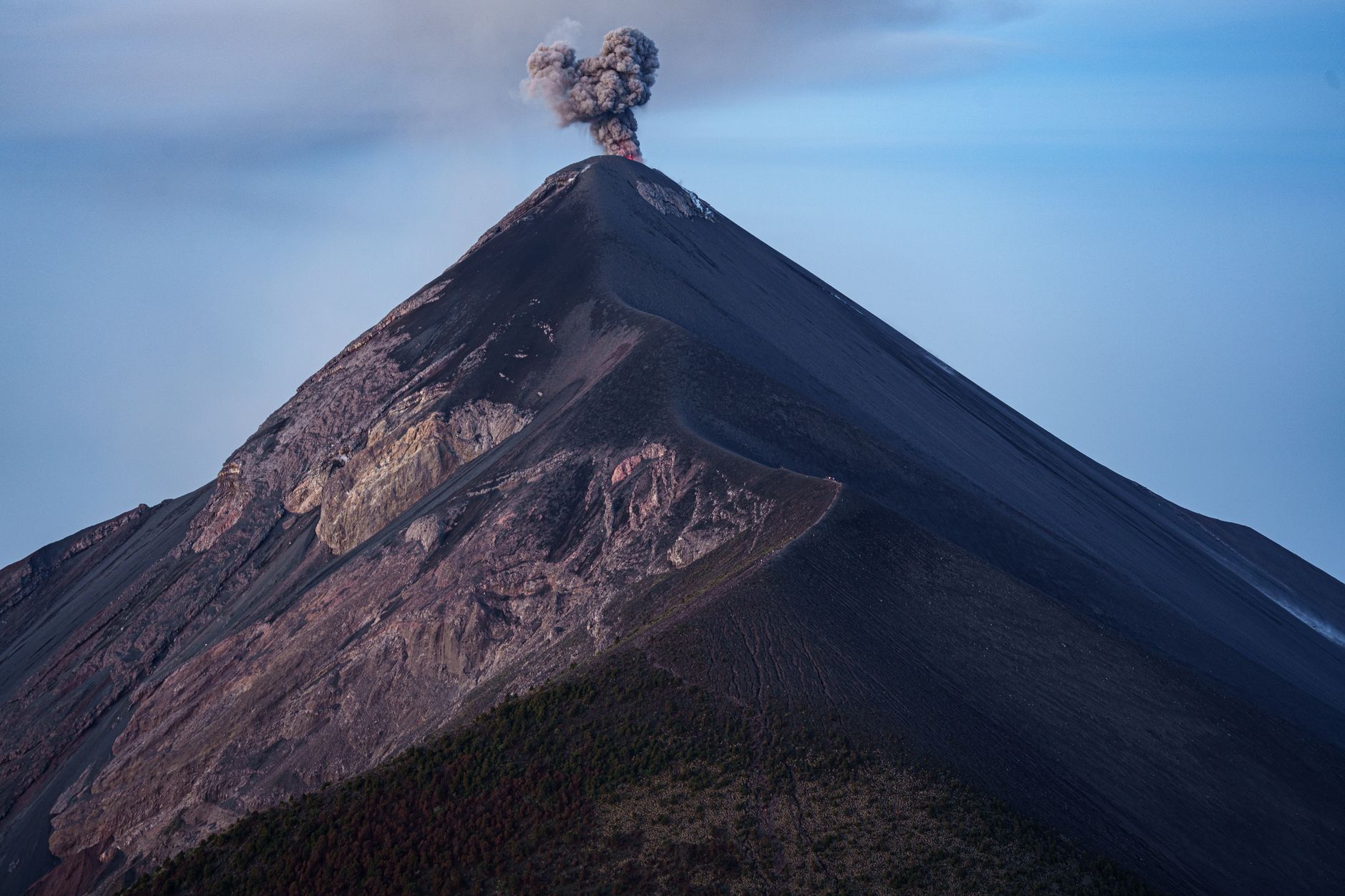
The Fuego stratovolcano in Guatemala has entered a period of heightened activity, spewing ash and mud into the surrounding atmosphere and prompting significant emergency responses. According to reports from the BBC and Al Jazeera, the eruption has necessitated the evacuation of approximately 1,700 people from nearby communities as authorities work to mitigate the risks posed by falling debris and volcanic flows.
Fuego, which translates to 'Fire' in Spanish, is recognized as one of the most active volcanoes in Central America. Its proximity to populated areas and its popularity among hikers make it a frequent subject of monitoring by the Guatemalan National Institute of Seismology, Volcanology, Meteorology and Hydrology (INSIVUMEH). The current eruption has resulted in thick plumes of ash covering local landscapes, leading to concerns regarding air quality and the structural integrity of homes in the immediate vicinity.
Emergency management teams remain on high alert as the volcano continues to exhibit instability. While the Fuego volcano is a well-known landmark and a significant draw for adventure tourism, the current event serves as a stark reminder of the geological volatility of the region. Local officials are continuing to monitor seismic data to determine if further evacuations will be required in the coming days as the situation evolves.
Truth Score
95/100
Verified
Why this score
The eruption of the Fuego volcano in Guatemala is confirmed by multiple trusted wire sources, including Al Jazeera, which corroborates the core details regarding the evacuation of local residents and the volcanic activity.
Cross-checked against
- Al Jazeera
Original report: BBC