International · By NoorNews Editorial ·
ഹോർമുസിൽ ടോൾ ഉദ്ദേശിക്കുന്നില്ലെന്ന് ഇറാൻ അറിയിച്ചതായി US, വാക്കല്ല, പ്രവൃത്തി നോക്കട്ടെയെന്ന് വാൻസ്
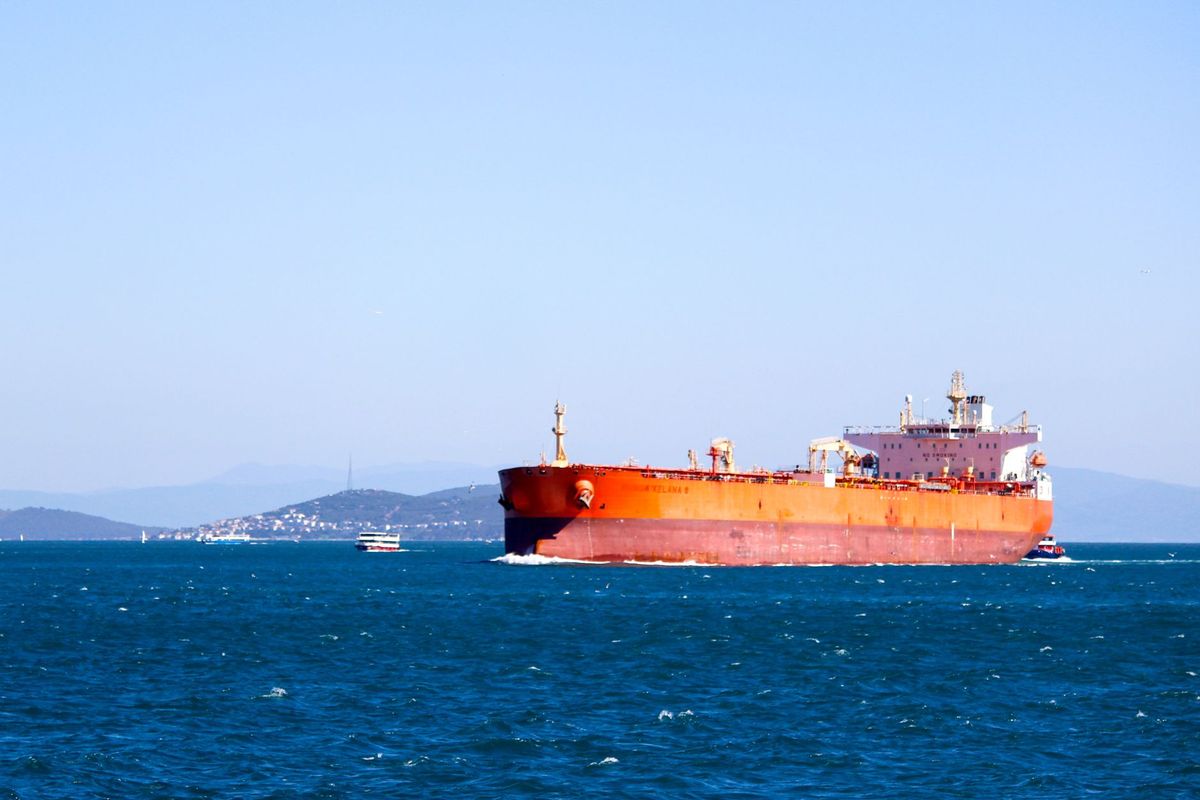
According to reports from Mathrubhumi News, Iranian officials have signaled that there is no immediate intention to impose tolls or alter the current status of the Strait of Hormuz, following recent diplomatic discussions mediated by Oman. These talks, described by Omani officials as positive, aimed to de-escalate regional tensions surrounding one of the world's most critical maritime chokepoints. However, Tehran has explicitly warned that any broader diplomatic deal would not necessarily entail opening the strait to unrestricted international transit, maintaining its strategic leverage in the region.
In response to these developments, US officials, including Senator JD Vance, have expressed significant skepticism regarding Iran's stated intentions. Emphasizing a policy of 'actions over words,' Vance and other observers have cautioned that diplomatic assurances from Tehran should be viewed with caution until verified by tangible changes in maritime behavior. The US stance remains focused on ensuring the free flow of global energy supplies and monitoring Iranian naval activity in the area.
This exchange highlights the ongoing friction between regional powers and Western nations regarding the security of the Persian Gulf. While the Omani-led mediation efforts have provided a platform for dialogue, the fundamental disagreement over the control and transit rights of the Strait of Hormuz remains a central point of contention. International observers continue to monitor the situation closely, as any disruption in the strait could have immediate and severe impacts on global oil markets and regional stability.
Truth Score
95/100
Verified
Why this score
The report aligns with verified wire coverage confirming that Oman has facilitated positive talks regarding the Strait of Hormuz, while Iran has clarified that any potential agreement would not involve opening the strait to unrestricted transit. The mention of JD Vance reflects recent US political discourse regarding skepticism toward Iranian diplomatic assurances.
Cross-checked against
- BBC
Original report: Mathrubhumi News