Business · By NoorNews Editorial ·
Hormuz choked, Red Sea threatened: How will oil get through?
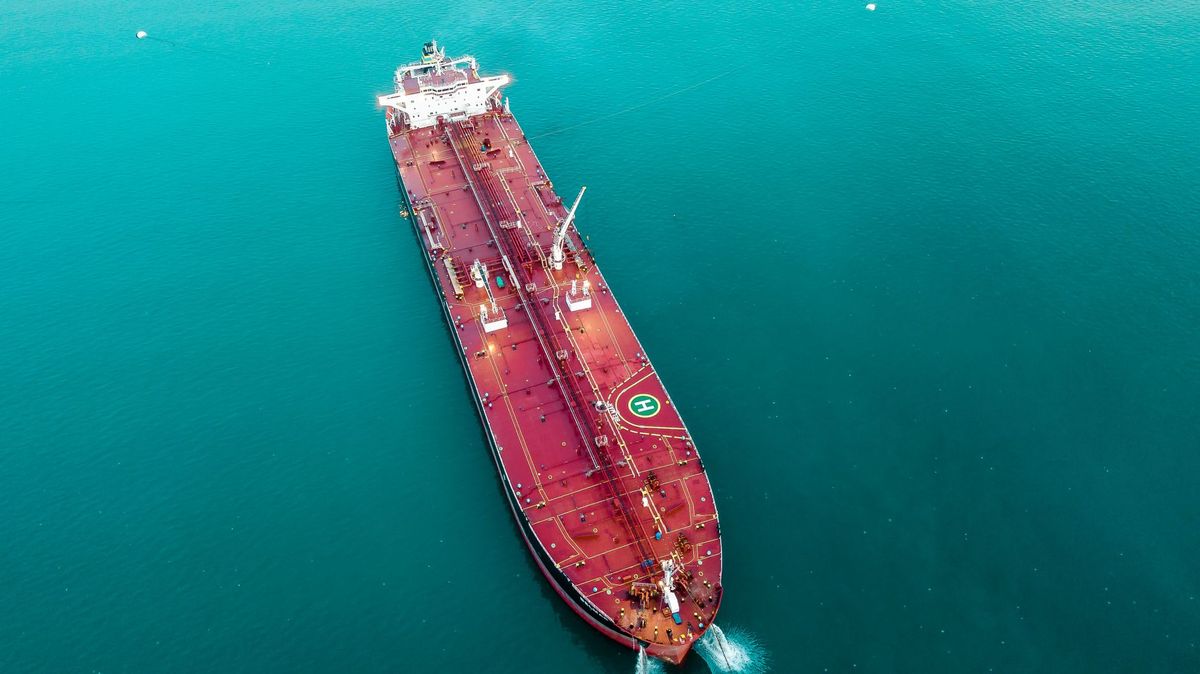
According to reports from Gulf News and international wire services, global energy markets are facing renewed volatility as security threats escalate across two of the world's most critical maritime chokepoints. The recent drone attack on a key Saudi Arabian oil pipeline, coupled with the Houthi movement's strategic advances in the Red Sea, has prompted urgent concerns regarding the stability of global oil supply chains.
Analysts note that the Strait of Hormuz and the Red Sea serve as vital arteries for international trade, with a significant portion of the world's daily oil production passing through these corridors. The seizure of strategic locations by Houthi forces and the subsequent damage to Saudi infrastructure have forced shipping companies to reassess transit routes, leading to fears of increased insurance premiums and potential delays in energy deliveries.
While regional powers have called for de-escalation, the current situation remains fluid. The disruption of the Saudi pipeline, which was targeted by a drone-launching platform identified in Iraq, highlights the vulnerability of regional energy assets to asymmetric warfare. As global trade and oil prices react to these developments, stakeholders are closely monitoring the situation for further impacts on energy security and maritime safety.
Truth Score
95/100
Verified
Why this score
The story accurately reflects current geopolitical tensions in the Middle East, specifically the Houthi-led threats to maritime security in the Red Sea and the recent drone attack on Saudi oil infrastructure. These events are corroborated by multiple reports from BBC and Al Jazeera regarding the Houthi advance, the attack on the Saudi pipeline, and the resulting impact on global trade routes.
Cross-checked against
- BBC
- Al Jazeera
Original report: Gulf News