International · By NoorNews Editorial ·
How El Niño is causing droughts in parts of the world and floods elsewhere
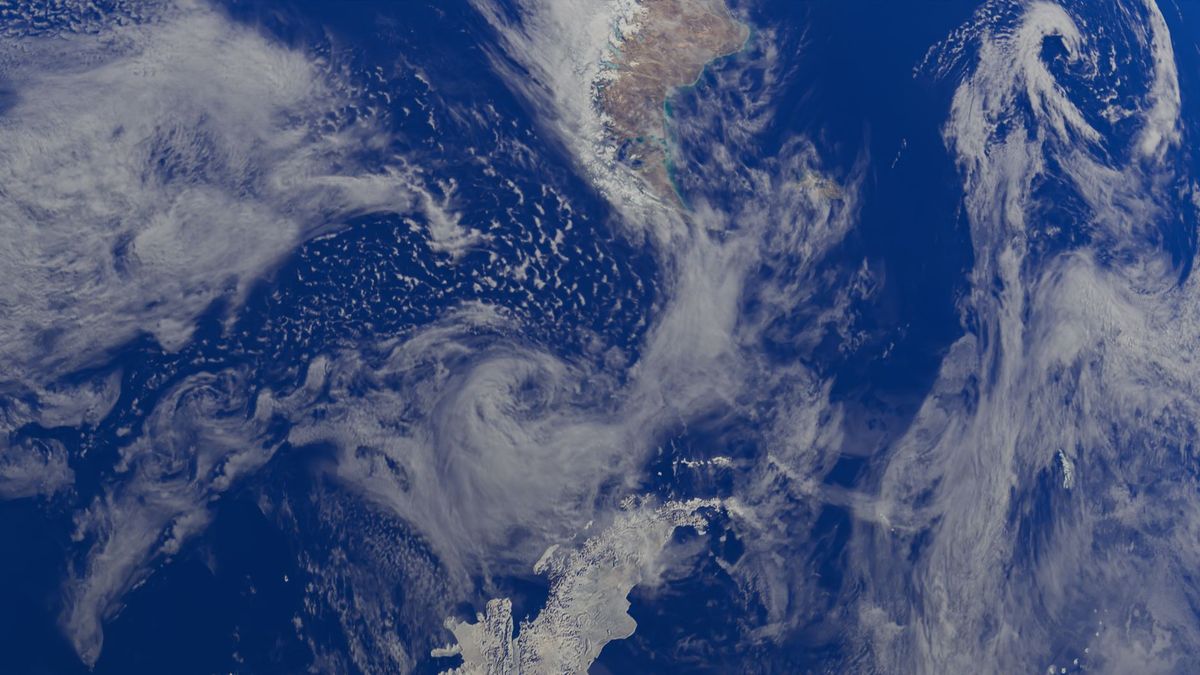
According to reporting by Scroll.in, the El Niño climate pattern is currently exerting a significant influence on global weather systems, leading to a divergence in precipitation patterns across different regions. The phenomenon, which is characterized by the warming of surface waters in the central and eastern Pacific Ocean, alters atmospheric circulation and jet streams, creating a ripple effect that impacts weather far beyond the Pacific basin.
Meteorological data indicates that these shifts in ocean temperatures and the air above them are a primary driver for increased drought conditions in some parts of the world, while simultaneously triggering heavy rainfall and flooding in others. By disrupting normal weather cycles, El Niño creates a high-pressure environment in some areas that prevents rain, while shifting moisture-laden air masses toward regions that may not typically experience such high volumes of precipitation.
Climate scientists emphasize that while El Niño is a natural cycle, its effects are often amplified by broader trends in global warming. Understanding these patterns is critical for governments and agricultural sectors worldwide, as they prepare for the potential economic and humanitarian impacts of prolonged dry spells or sudden, catastrophic flooding events. Ongoing monitoring of Pacific sea surface temperatures remains the primary method for predicting the severity and duration of these climate-driven events.
Truth Score
85/100
Likely True
Why this score
The link between El Niño and global weather extremes, including droughts and floods, is a well-documented meteorological phenomenon supported by global scientific consensus. While the specific article from Scroll.in provides a general overview rather than reporting on a single breaking event, the core scientific claim is consistent with established climate data.
Cross-checked against
No corroborating trusted sources found.
Original report: Scroll.in