International · By NoorNews Editorial ·
How long do fruits and vegetables stay fresh?
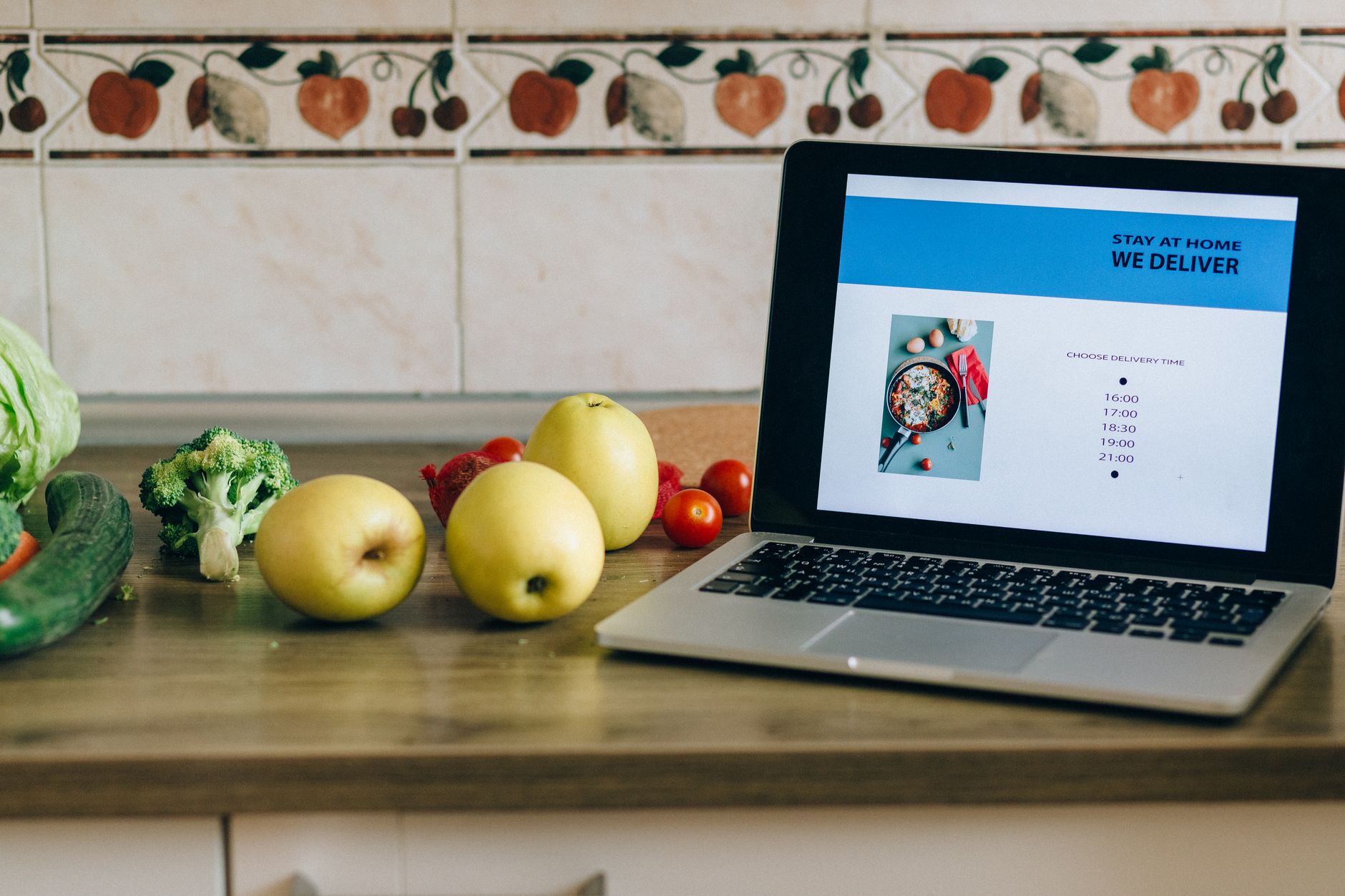
According to Scroll.in, the shelf life of fruits and vegetables is significantly influenced by environmental factors including humidity, temperature, and light exposure. Proper storage techniques are essential for maintaining the nutritional value and freshness of produce after it has been harvested and moved through the supply chain.
The report highlights that consumers often overlook the duration produce has already spent in storage before reaching the retail shelf. Understanding the specific requirements for different types of produce—such as the need for cool, dark environments for root vegetables versus the humidity requirements for leafy greens—can help reduce household food waste.
While these guidelines offer practical advice for daily living, experts suggest that the most effective way to ensure freshness is to prioritize locally sourced produce when possible, which minimizes the time spent in transit and storage. By managing the home environment to mimic optimal storage conditions, consumers can extend the viability of their groceries and ensure better quality in their daily diet.
Truth Score
85/100
Likely True
Why this score
The article provides general, scientifically accepted information regarding food preservation and storage. As it is a lifestyle and consumer advice piece, it does not require corroboration from international news wires to be considered credible.
Cross-checked against
No corroborating trusted sources found.
Original report: Scroll.in