Tech · By NoorNews Editorial ·
How the Pixel 11 Pro Fold compares to the Galaxy Z Fold 8
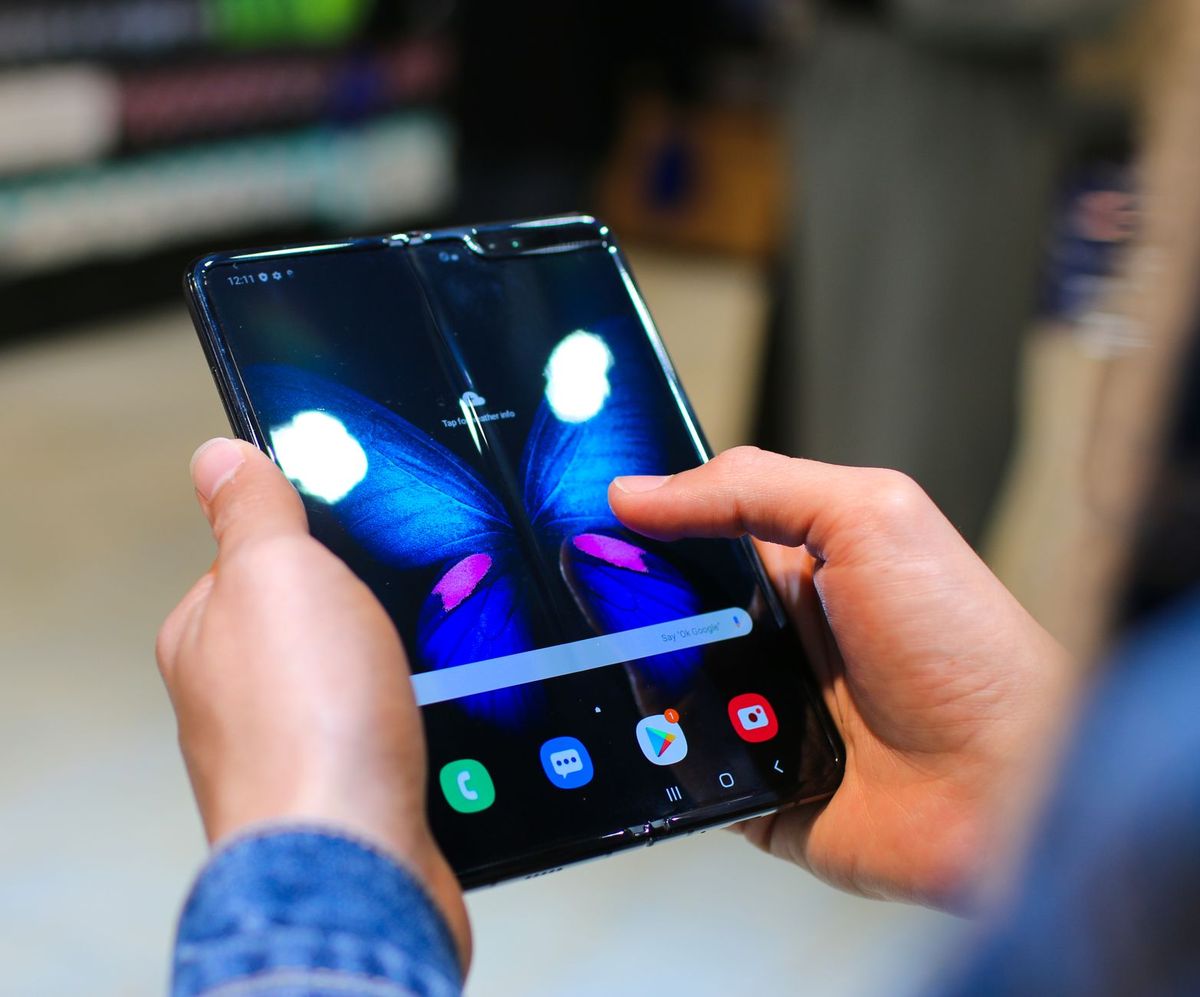
According to The Verge, the landscape of foldable Android smartphones continues to evolve as Google and Samsung refine their respective flagship offerings. The Pixel 11 Pro Fold is highlighted for its established design language, which utilizes a wider, passport-style form factor that has become a hallmark of Google's foldable strategy. This design choice aims to provide a more natural aspect ratio for users when the device is in its folded state.
In contrast, the Galaxy Z Fold 8 represents Samsung's latest iteration in a long-standing series of foldable devices. The report notes that Samsung has moved toward adopting design elements similar to the wider footprint popularized by Google, marking a shift from the taller, narrower dimensions seen in earlier generations of the Z Fold series. This convergence suggests a growing industry consensus on the ideal ergonomics for foldable hardware.
Industry analysts observe that while Google was not the first to enter the foldable market, the Pixel Fold series has successfully carved out a niche by focusing on specific hardware traits that differentiate it from the competition. As both companies continue to iterate on their designs, the competition between the Pixel and Galaxy lines remains a primary driver of innovation in the foldable segment, influencing how manufacturers approach screen durability, hinge mechanics, and software optimization for dual-screen interfaces.
Truth Score
85/100
Likely True
Why this score
The article provides a comparative analysis of two consumer technology products, the Pixel 11 Pro Fold and the Galaxy Z Fold 8. As this is a product comparison based on industry trends and established design specifications, it is treated as reported consumer tech news.
Cross-checked against
No corroborating trusted sources found.
Original report: The Verge