International · By NoorNews Editorial ·
How will the victory by Germany’s far-right AfD in a state election affect the country’s politics?
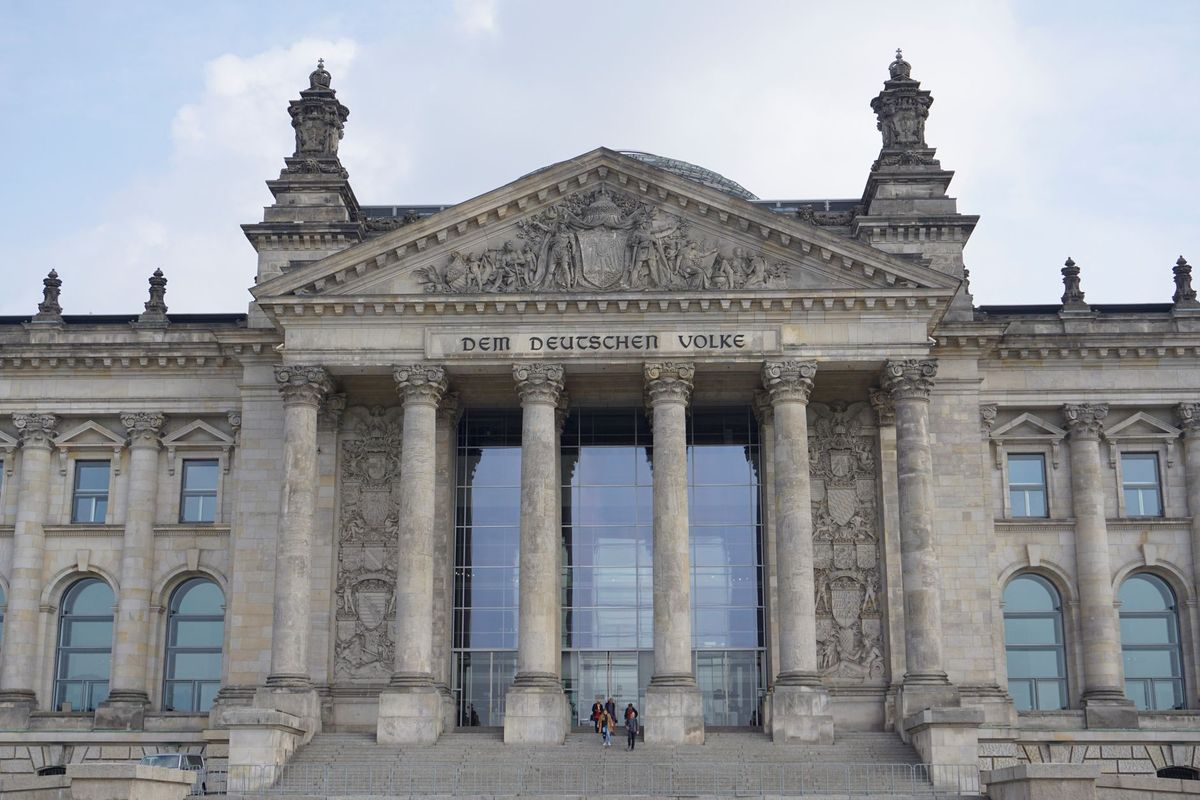
According to reporting by Scroll.in, the recent electoral gains by the Alternative for Germany (AfD) party in state-level contests have prompted significant debate regarding the future of the country's political landscape. As the party continues to secure support, analysts are closely examining the potential for the AfD to translate its hard-right platform into actionable policy at the regional level.
The AfD's performance has challenged the traditional consensus among Germany's established political parties, leading to intense scrutiny over how coalition building and legislative processes may be affected. Observers note that while the party's manifesto remains controversial, its success in state elections signals a shifting sentiment among segments of the electorate that may influence national-level discourse.
Political experts suggest that the primary focus in the coming months will be on the extent to which the party can implement its stated goals within the constraints of Germany's parliamentary system. The situation remains a key point of interest for those monitoring the rise of populist movements within European democracies and the subsequent impact on governance and institutional stability.
Truth Score
85/100
Likely True
Why this score
The story discusses the political implications of recent state election results in Germany involving the AfD. While the specific analysis is provided by Scroll.in, the event itself—the electoral performance of the AfD—is a widely documented political development in German domestic affairs.
Cross-checked against
No corroborating trusted sources found.
Original report: Scroll.in