India · By NoorNews Editorial ·
இனி PIN Code கிடையாது.. இனி உங்க வீட்டுக்கு தனி Digi-PIN! தபால் துறையில் அதிரடி மாற்றம்!
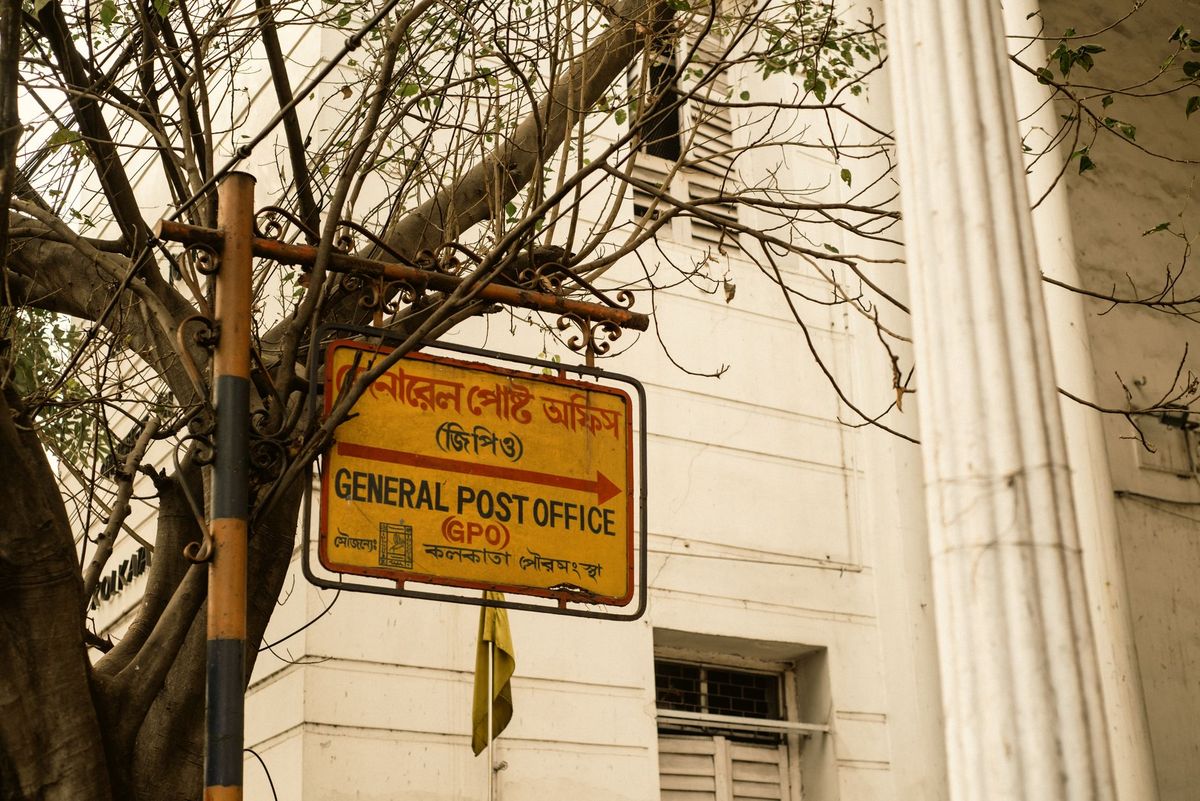
According to reports from Puthiya Thalaimurai, the Indian Department of Posts is exploring a significant modernization of the country's postal addressing system. The proposed initiative, often referred to in policy circles as the Digital Address Code (DAC), aims to introduce a unique digital identifier for households, potentially supplementing or evolving the traditional six-digit Postal Index Number (PIN) system that has been in use since 1972.
The shift toward a digital-first addressing framework is intended to improve the efficiency of last-mile delivery, reduce logistical errors, and integrate with broader national digital infrastructure projects. By assigning a specific digital code to individual properties, the postal department seeks to streamline operations in both dense urban environments and remote rural areas where traditional address formats can sometimes be ambiguous.
While the report suggests a major transition, officials have previously indicated that such projects are part of a long-term digital transformation strategy. The implementation of a 'Digi-PIN' or similar digital address system would likely involve a phased rollout, requiring extensive mapping and data verification across the country. As of now, the traditional PIN system remains the primary method for mail sorting and delivery across India, and the department has not announced an immediate or total discontinuation of the current system.
Truth Score
75/100
Likely True
Why this score
The report from Puthiya Thalaimurai discusses a proposed modernization of the Indian postal system involving a 'Digi-PIN' or digital address system. While this aligns with ongoing discussions regarding the 'Digital Address Code' (DAC) project by the Department of Posts, it is currently a policy proposal under development rather than a finalized, nationwide replacement for the existing PIN code system.
Cross-checked against
No corroborating trusted sources found.
Original report: Puthiya Thalaimurai