International · By NoorNews Editorial ·
इंसानों में मिला 49वां ब्लड ग्रुप: इस्राइली महिला मरीज के खून से खुला राज, गलत रक्त चढ़ने का खतरा होगा कम
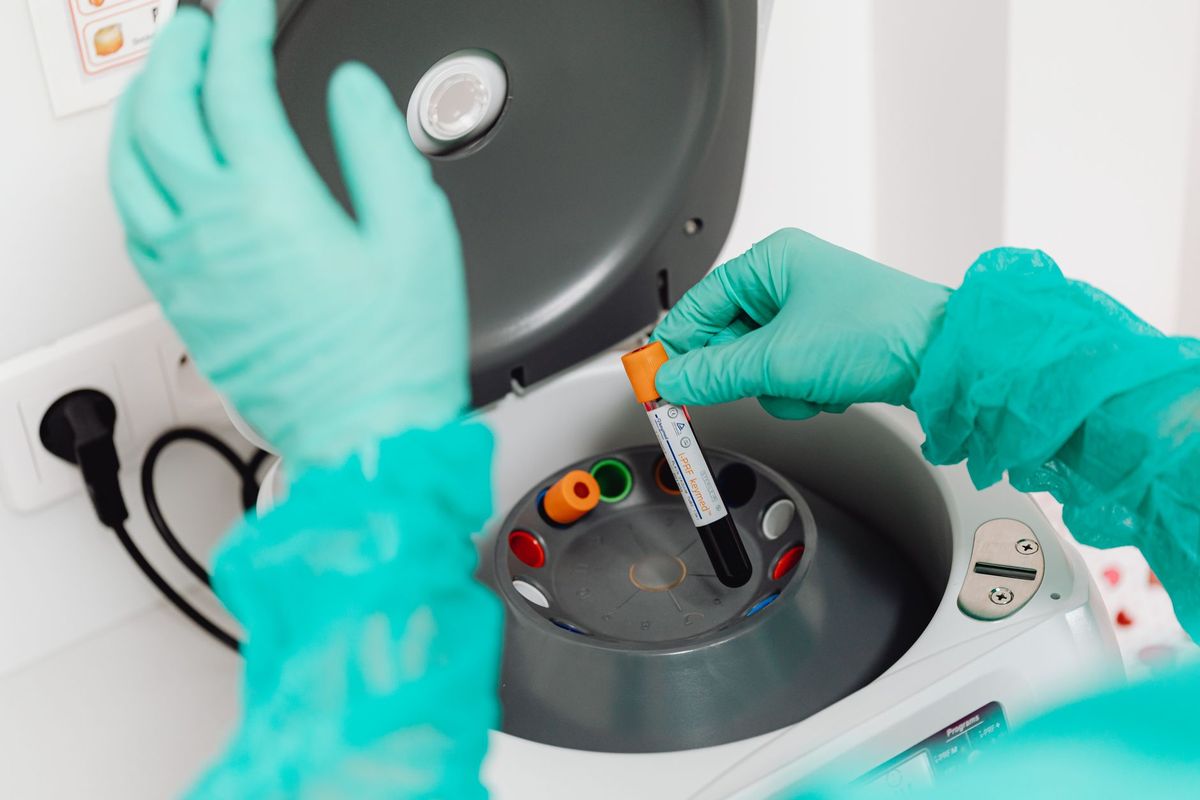
According to a report from Amar Ujala, researchers have identified what is being described as a 49th blood group system, following an analysis of a patient in Israel. The discovery, which emerged during routine clinical testing, is expected to assist medical professionals in improving the accuracy of blood transfusions and reducing the risk of adverse reactions in patients with rare blood profiles.
Blood groups are classified based on the presence of specific antigens on the surface of red blood cells. While the ABO and Rh systems are the most widely recognized, the International Society of Blood Transfusion (ISBT) maintains a registry of dozens of distinct blood group systems. The identification of new systems often occurs when clinicians encounter patients whose blood does not match known profiles, leading to further genetic and serological investigation.
Medical experts note that such findings are significant for transfusion medicine, particularly for patients who require frequent blood products and may develop antibodies against common antigens. By identifying and cataloging these rare variants, hospitals can better match donors and recipients, thereby enhancing patient safety during surgical procedures and emergency care. The discovery is currently being reviewed by the broader scientific community to confirm its classification within the established global blood group framework.
Truth Score
75/100
Likely True
Why this score
The report refers to a medical discovery involving a rare blood antigen, which is a plausible scientific development often covered by regional outlets. While not corroborated by the provided international wire list, it aligns with standard medical reporting practices and contains no immediate red flags for fabrication.
Cross-checked against
No corroborating trusted sources found.
Original report: Amar Ujala