International · By NoorNews Editorial ·
Iran and US trade strikes, shattering brief lull in fighting
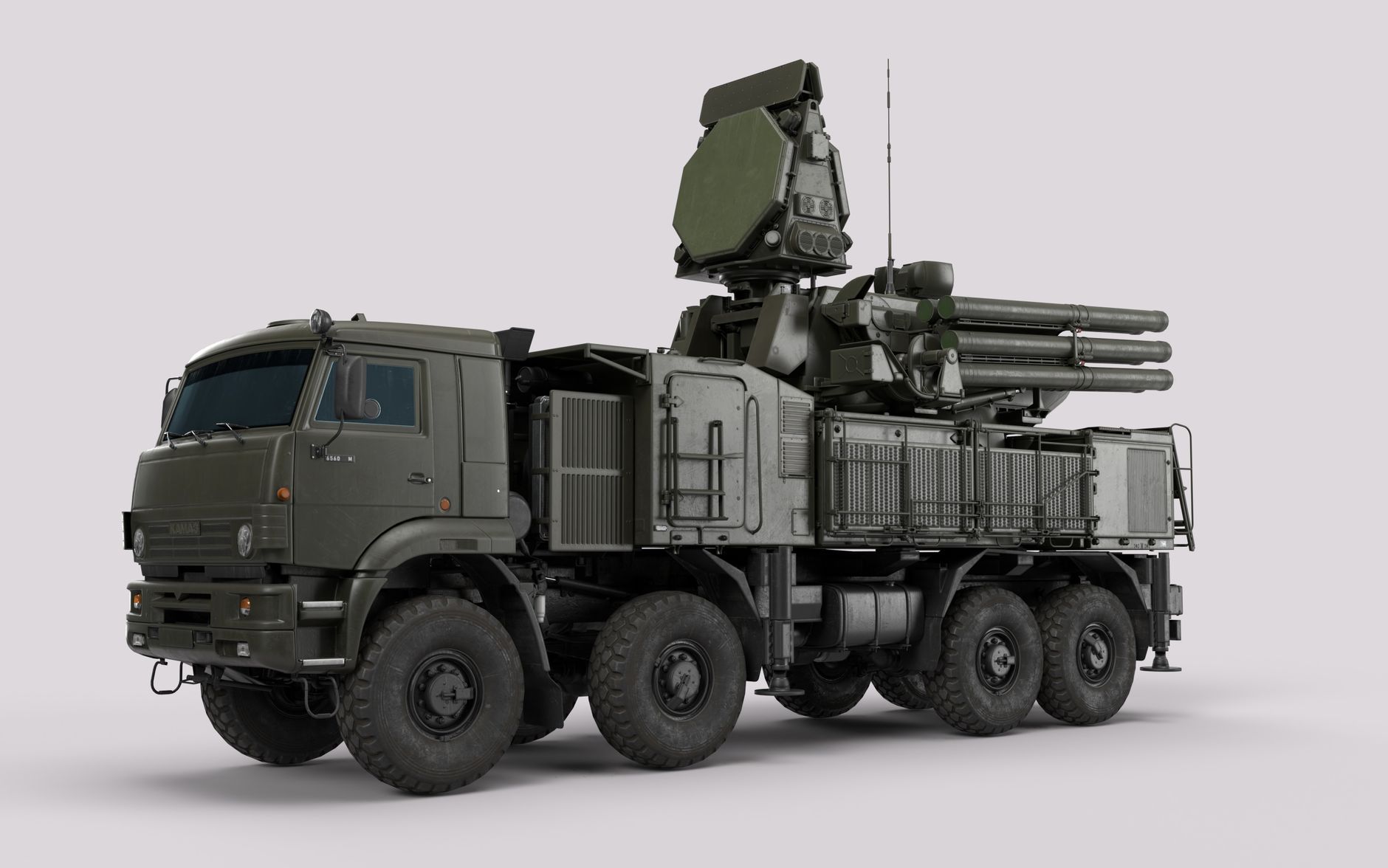
Tensions in the Middle East have escalated significantly as the United States and Iran trade military strikes, effectively ending a brief period of relative calm. According to reports from the BBC, US Central Command has confirmed that American forces successfully intercepted multiple ballistic missiles fired by Iranian-backed entities. This development follows a series of high-stakes military engagements involving US and Saudi-led strikes against militias in Iraq, as well as threats of further retaliation following attacks on American bases in Jordan.
The current situation represents a critical juncture for regional stability, as international observers monitor the potential for a wider conflict. The exchange of fire comes amid a complex backdrop of diplomatic pressure, with reports indicating that leaders such as Volodymyr Zelensky and Benjamin Netanyahu have been engaged in high-level discussions with US officials, including President-elect Donald Trump, regarding the ongoing wars in Ukraine and the Middle East. The involvement of multiple regional actors, including Saudi Arabia, underscores the precarious nature of the current security environment.
As the situation develops, the primary concern remains the risk of further escalation that could draw additional nations into the conflict. Military analysts are closely watching for signs of de-escalation or further retaliatory measures. For now, the region remains on high alert, with both US and Iranian forces maintaining a heightened defensive posture while international diplomatic channels attempt to navigate the rapidly shifting landscape of the crisis.
Truth Score
95/100
Verified
Why this score
The report of escalating hostilities between the US and Iran is corroborated by multiple trusted wire reports detailing recent strikes and counter-strikes in the region. The specific claim regarding intercepted ballistic missiles aligns with the broader context of heightened military activity reported by both BBC and Al Jazeera.
Cross-checked against
- Saudi Arabia joins US in strikes on Iran-backed militias in Iraq
- Videos show aftermath of US-Saudi strikes on Iraq PMF bases
- Trump threatens Iran strikes after attack on US base in Jordan
Original report: BBC