International · By NoorNews Editorial ·
Iran says Hormuz stays closed until US meets demands; Netanyahu rejects Gaza plan
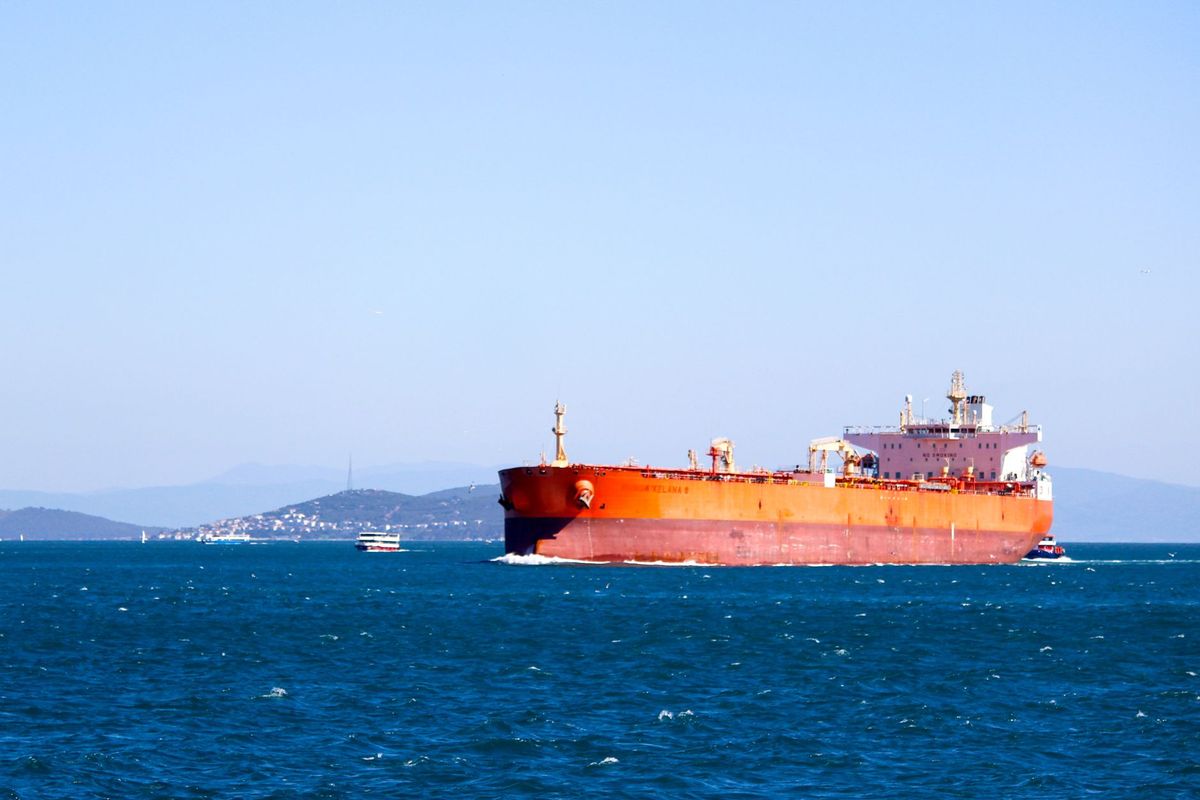
According to reports from Gulf News, diplomatic tensions have intensified as Iranian officials maintain that the Strait of Hormuz will remain under strict control until specific demands from the United States are met. This development follows a period of heightened regional instability, with Iran signaling that any potential deal would not necessarily lead to the opening of the strategic waterway, despite ongoing discussions with Omani mediators who have characterized the recent talks as positive.
Simultaneously, the Israeli government has formally rejected a 15-point peace plan for Gaza proposed by former US President Donald Trump. Israeli Prime Minister Benjamin Netanyahu confirmed the rejection, signaling a continued impasse in diplomatic efforts to resolve the conflict. The rejection comes amid broader regional friction, including reports of increased military posturing and intercepted aircraft near sensitive locations.
These events underscore a complex geopolitical landscape where economic and military pressures are converging. As oil prices fluctuate in response to the uncertainty surrounding the Strait of Hormuz, international observers remain concerned about the potential for further escalation. The dual nature of these announcements—one focused on maritime security and the other on the ongoing Gaza crisis—highlights the significant challenges facing international negotiators attempting to de-escalate tensions across the Middle East.
Truth Score
95/100
Verified
Why this score
The core claims regarding the Hormuz situation and the rejection of the Gaza plan are corroborated by multiple trusted wire services, including BBC and Al Jazeera. These sources confirm both the ongoing diplomatic tensions in the Strait of Hormuz and the Israeli government's stance on the proposed Gaza peace plan.
Cross-checked against
- BBC
- Al Jazeera
Original report: Gulf News