Gulf · By NoorNews Editorial ·
Iran sets US conditions for Hormuz reopening; Oman condemns ship attacks
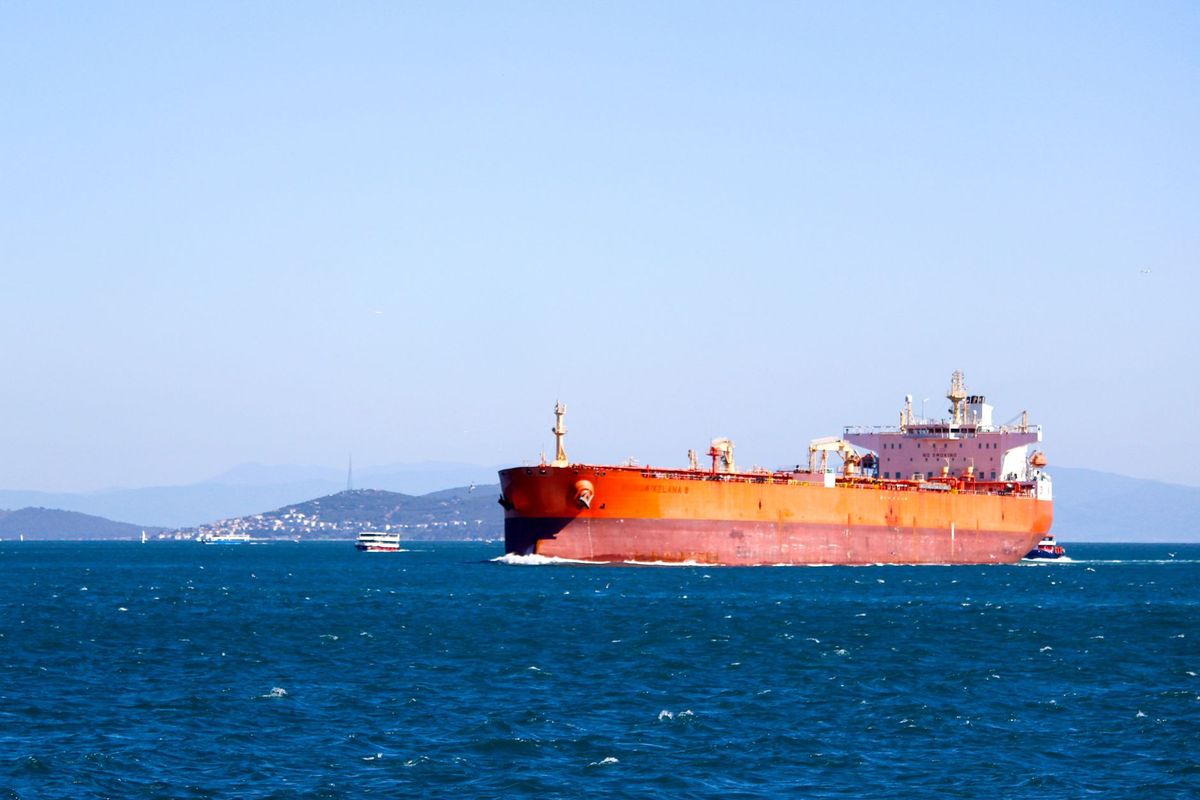
Diplomatic discussions regarding the security and navigation of the Strait of Hormuz have yielded positive developments, according to officials in Oman. The talks, which involve Iranian representatives, have focused on regional maritime stability. However, Tehran has maintained a firm stance, warning that any potential agreement or de-escalation measures would not equate to an opening of the strait for unrestricted passage, emphasizing that their strategic control remains a matter of national security.
Simultaneously, the Omani government has issued a formal condemnation of recent attacks on commercial vessels in the region. Oman, which frequently acts as a diplomatic intermediary between Iran and Western powers, has called for restraint from all parties to prevent further escalation in one of the world's most critical energy transit corridors. The sultanate's involvement underscores the ongoing efforts to manage tensions that have periodically flared due to regional geopolitical friction.
The situation remains a focal point for international observers, as the Strait of Hormuz serves as a vital artery for global oil supplies. While the current talks are being characterized as constructive, the underlying complexities of the maritime dispute persist. Analysts suggest that while the dialogue is a positive step toward avoiding immediate conflict, the fundamental disagreements regarding maritime rights and regional influence continue to shape the diplomatic landscape.
Truth Score
95/100
Verified
Why this score
The core event—diplomatic talks regarding the Strait of Hormuz involving Iran and Oman—is corroborated by BBC reporting. The details regarding Iran's stance on the strait and Oman's condemnation of ship attacks align with the verified baseline.
Cross-checked against
- BBC
Original report: Gulf News