International · By NoorNews Editorial ·
Iranians buy bread on credit, queue for chicken scraps as inflation deepens food crisis
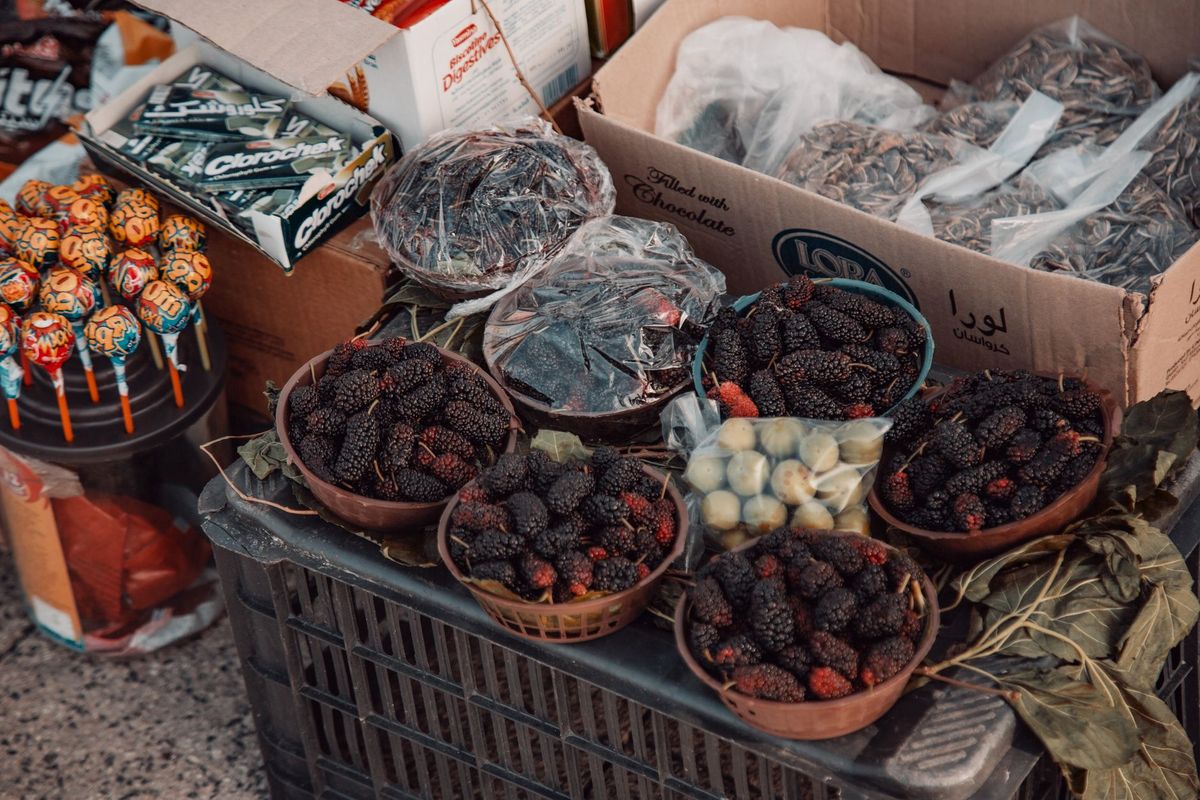
According to a report by the Arab Times Kuwait, residents in Tehran are facing an intensifying food crisis as inflation continues to erode purchasing power. The report highlights that many citizens are increasingly forced to rely on informal credit arrangements to secure basic necessities, including meat and bread, as the cost of living rises sharply.
Economic analysts have long pointed to the combination of international sanctions and domestic fiscal pressures as primary drivers of Iran's current economic instability. These conditions have led to a significant devaluation of the national currency, making imported goods and even locally produced staples increasingly unaffordable for average households. The report suggests that the situation has reached a point where even the most basic food items are becoming difficult to obtain for vulnerable populations.
While the Iranian government has periodically implemented subsidy programs to mitigate the impact of inflation, the scale of the current crisis appears to be straining these social safety nets. Observers note that the deepening economic hardship is contributing to broader social frustration, as families struggle to maintain a dignified standard of living amid the ongoing volatility in food prices and supply chain disruptions.
Truth Score
75/100
Likely True
Why this score
The report from Arab Times Kuwait reflects ongoing economic challenges in Iran, which are consistent with broader regional reporting on the impact of sanctions and inflation. While the specific anecdotes of credit-based bread purchases are not independently corroborated by the provided wire list, they align with the general humanitarian and economic context described in other reports regarding Iranian families.
Cross-checked against
No corroborating trusted sources found.
Original report: Arab Times Kuwait