International · By NoorNews Editorial ·
कराची का हिंदू जिमख़ाना: वो इमारत जिसे गिराना चाहते थे ज़िया उल हक़, अभी इसे लेकर क्या है विवाद?
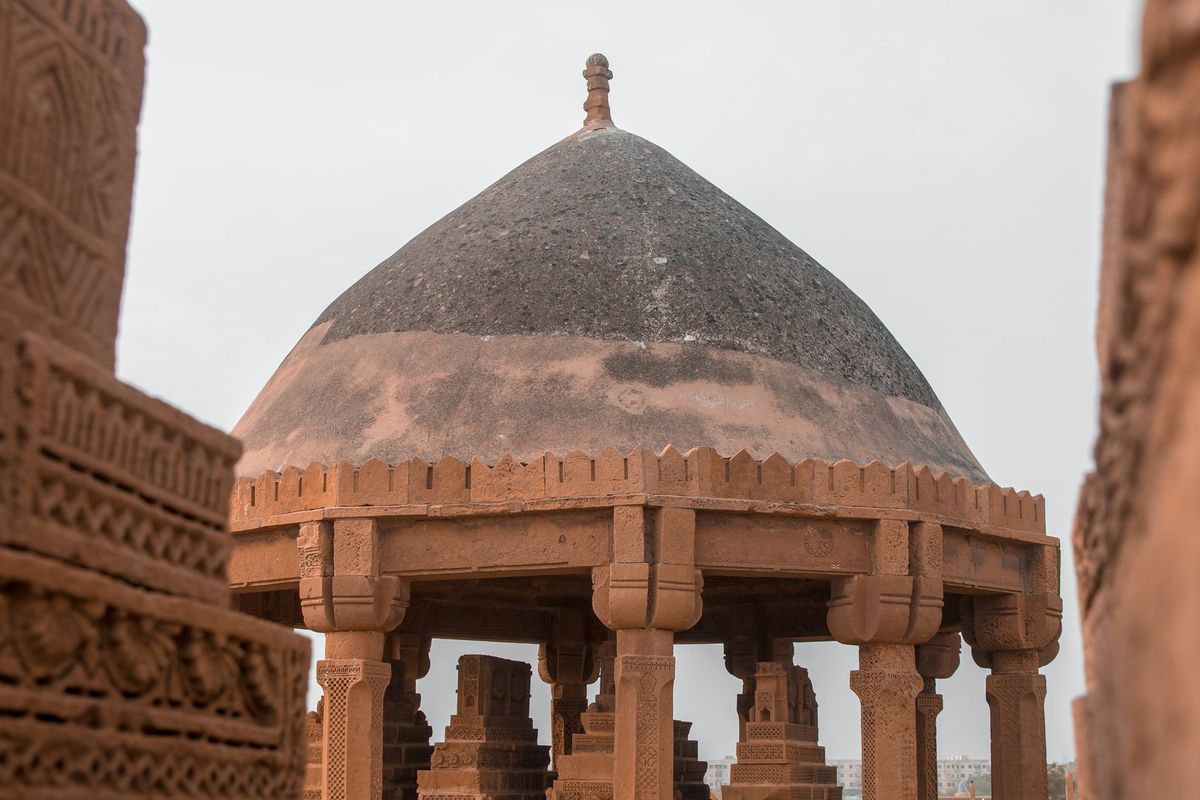
According to BBC Hindi, the Hindu Gymkhana in Karachi remains a focal point of historical and cultural debate in Pakistan. Built approximately 100 years ago by the city's Hindu community, the landmark has faced various threats throughout its history, including past attempts by former President Zia-ul-Haq to have the structure demolished. The building, known for its distinct architectural style, currently serves as the National Academy of Performing Arts (NAPA), which has sparked ongoing discussions regarding its ownership and the preservation of minority heritage sites.
The dispute centers on the historical rights of the original community versus the state's management of the property. While the building is protected as a heritage site, activists and members of the Hindu community have long campaigned for its status to be formally recognized and managed in a way that honors its origins. The narrative highlights the broader challenges faced by historical buildings in urban Pakistan, where rapid development and shifting political priorities often clash with the need to maintain cultural landmarks.
Observers note that the building's survival is a testament to the resilience of Karachi's architectural history, yet its future remains a subject of contention. As the city continues to expand, the debate over the Hindu Gymkhana reflects deeper questions about how Pakistan manages the legacy of its pre-partition communities and the role of such buildings in the modern national identity.
Truth Score
85/100
Likely True
Why this score
The story concerns the historical status and ownership disputes surrounding the Hindu Gymkhana in Karachi, a well-documented landmark. BBC Hindi provides a detailed report on the building's history and the political tensions surrounding its preservation, which is consistent with known historical and administrative records regarding heritage sites in Pakistan.
Cross-checked against
No corroborating trusted sources found.
Original report: BBC Hindi