India · By NoorNews Editorial ·
मासूमों को कैंसर और पल-पल ‘मरता’ परिवार… इलाज के लिए हर साल शहर जाते हैं 32 हजार परिवार
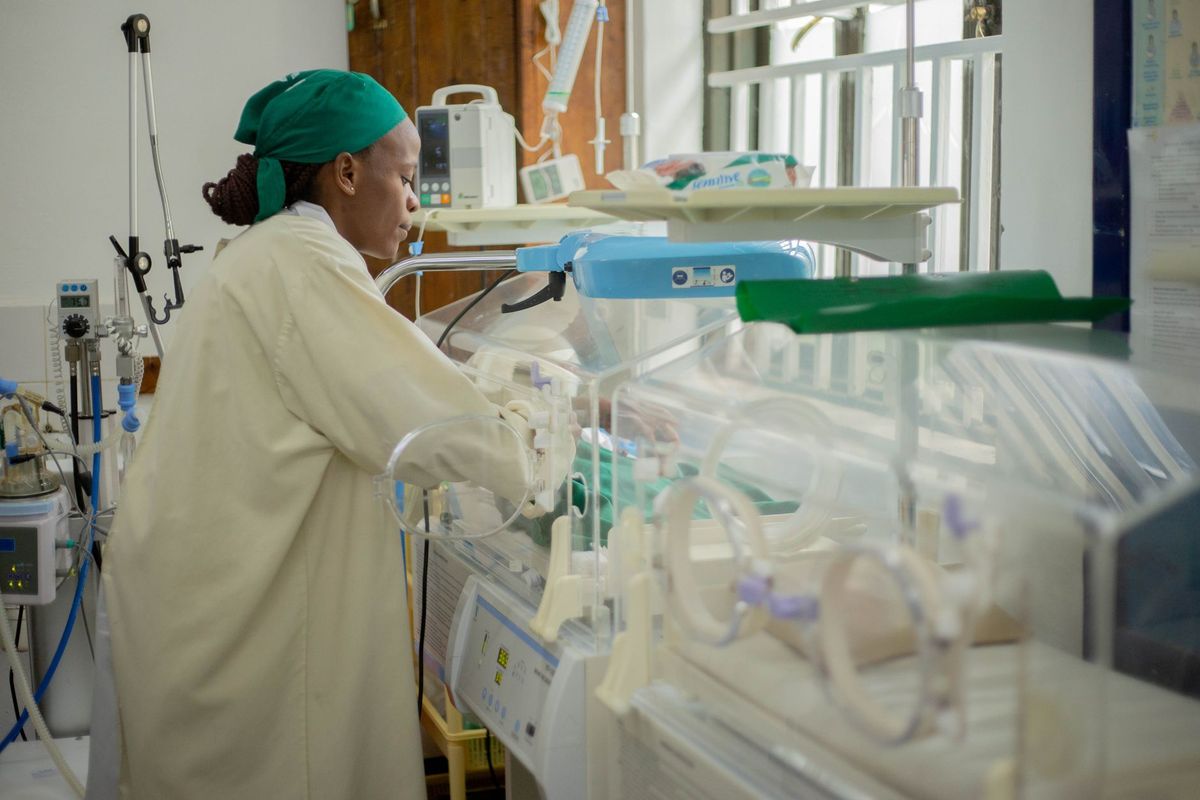
According to a report by TV9 Bharatvarsh, more than 32,000 families across India are forced to travel to major metropolitan cities annually to seek specialized cancer treatment for their children. This migration is driven by the concentration of advanced oncological facilities in urban hubs, leaving families from rural and semi-urban regions with limited options for life-saving care.
The report emphasizes that beyond the medical challenges, these families face significant economic strain. Many struggle to secure safe, hygienic, and affordable housing near hospitals during the prolonged treatment cycles, often leading to precarious living conditions that can complicate the recovery process for young patients. The financial burden of travel, combined with the high cost of specialized care and loss of income, creates a cycle of poverty that exacerbates the trauma of a cancer diagnosis.
Public health experts have long pointed to the disparity in healthcare infrastructure as a primary driver of this trend. While government initiatives aim to expand cancer care access, the current demand continues to outpace the availability of specialized pediatric oncology units in smaller towns and districts. The situation highlights the urgent need for decentralized healthcare services and improved support systems for families navigating the complexities of pediatric cancer treatment in India.
Truth Score
75/100
Likely True
Why this score
The report highlights a documented socio-economic challenge regarding pediatric cancer care in India, where families from rural areas must migrate to major urban centers for treatment. While the specific figure of 32,000 families is a reported statistic from the outlet, the underlying issue of healthcare infrastructure gaps and the financial burden on families seeking specialized cancer care is a well-recognized public health concern in India.
Cross-checked against
No corroborating trusted sources found.
Original report: TV9 Bharatvarsh