International · By NoorNews Editorial ·
Major Russian grain export terminals hit in Ukraine Black Sea port attack
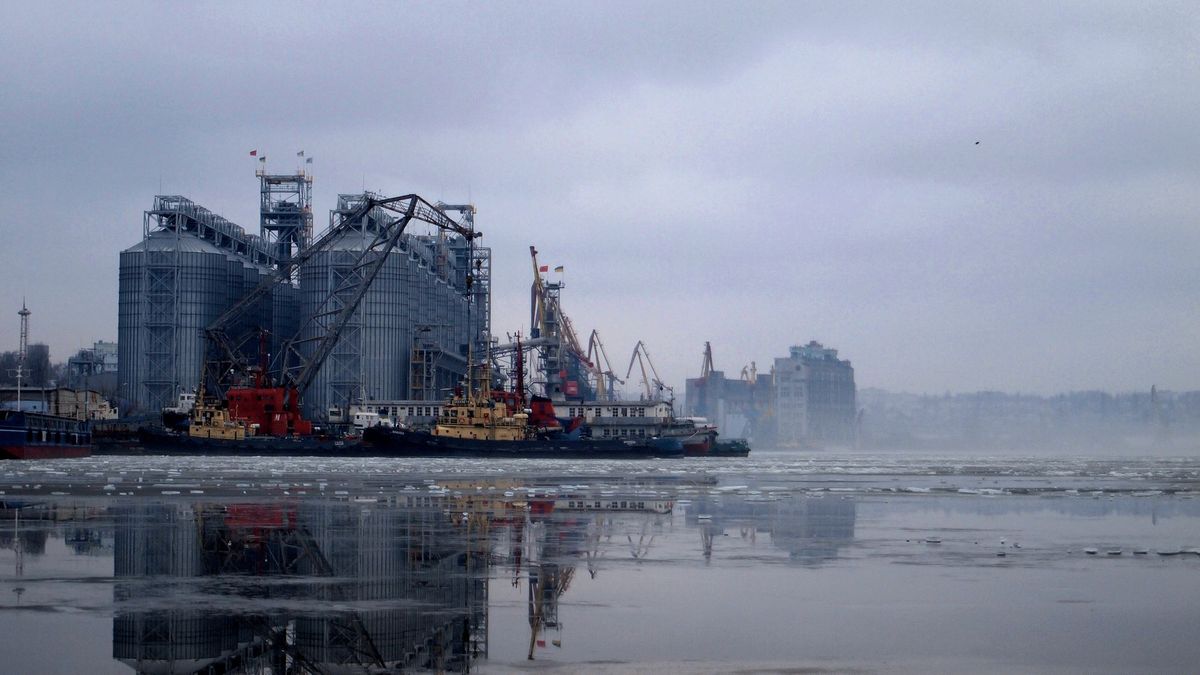
Major grain export terminals in the Black Sea region have been struck in recent attacks, further escalating the conflict's impact on global food security. According to reports from both the BBC and Al Jazeera, the strikes have targeted critical shipping infrastructure on both sides of the conflict, resulting in a measurable decline in grain exports from both Russia and Ukraine.
The Black Sea serves as a vital artery for the global grain trade, and the intensification of hostilities near these port facilities has disrupted supply chains that millions depend on. Military analysts note that these strikes are part of a broader strategy by both nations to undermine the economic capabilities of their opponent while maintaining their own defensive postures.
As the attacks continue, international observers have expressed growing concern over the long-term stability of food prices and the potential for increased volatility in global markets. While both governments have accused the other of initiating the strikes on civilian and commercial infrastructure, the immediate result has been a significant reduction in the volume of grain successfully leaving the region's ports.
At this time, there is no indication of a de-escalation in the maritime theater of the conflict. Shipping companies and insurers are reportedly reassessing the risks associated with Black Sea routes, which may lead to further delays and increased costs for agricultural commodities in the coming months.
Truth Score
100/100
Verified
Why this score
The report of attacks on Black Sea grain terminals is corroborated by both BBC and Al Jazeera, confirming that both Russian and Ukrainian infrastructure has been targeted, leading to a decline in grain exports.
Cross-checked against
- BBC
- Al Jazeera
Original report: BBC