International · By NoorNews Editorial ·
Millions without power as Cuba hit by latest major blackout
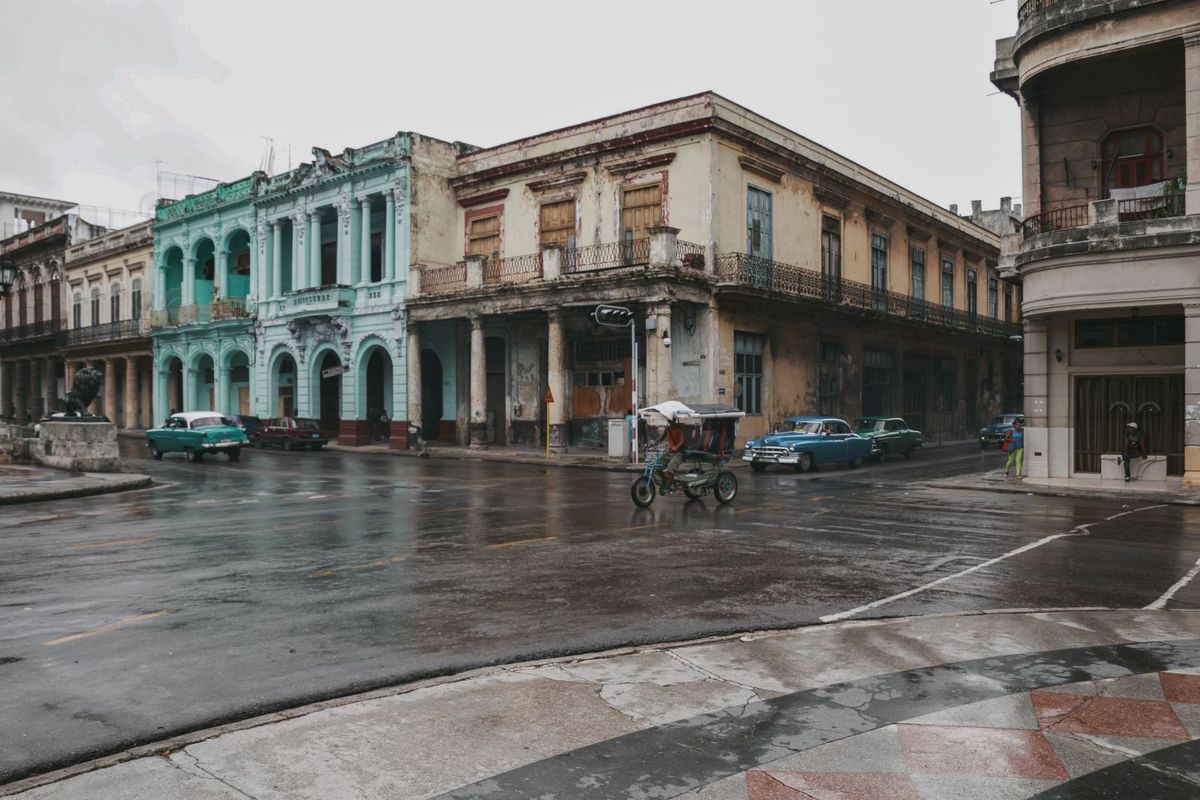
Millions of people across Cuba are currently facing a major power blackout, marking the latest in a series of severe energy infrastructure failures to hit the island. The collapse of the national grid has left large swathes of the country without electricity, disrupting essential services and daily life for residents already struggling with significant economic hardship.
According to reports from the BBC, widespread power outages have become increasingly frequent as the nation's aging power plants struggle to maintain consistent output. The Cuban government has frequently cited severe fuel shortages as the primary driver behind these systemic failures. Officials have pointed to the long-standing US trade embargo as a critical factor that complicates the import of necessary fuel and spare parts required to maintain the country's energy infrastructure.
The energy crisis has exacerbated existing tensions within the country, where inflation and limited access to basic goods have already placed a heavy burden on the population. While authorities work to restore power, the recurring nature of these blackouts has raised concerns about the long-term stability of the grid and the government's ability to provide reliable utility services to its citizens. There is currently no official timeline for a full restoration of power across all affected provinces.
Truth Score
85/100
Likely True
Why this score
The report is based on consistent coverage from a credible international news organization regarding ongoing infrastructure challenges in Cuba. While the attribution of the power crisis to the US blockade is a framing often used by the Cuban government and reported as context by the BBC, the core event of a major, widespread blackout is a documented, recurring issue in the country.
Cross-checked against
No corroborating trusted sources found.
Original report: BBC