International · By NoorNews Editorial ·
More than 170,000 respiratory cases recorded in haze-choked Indonesia
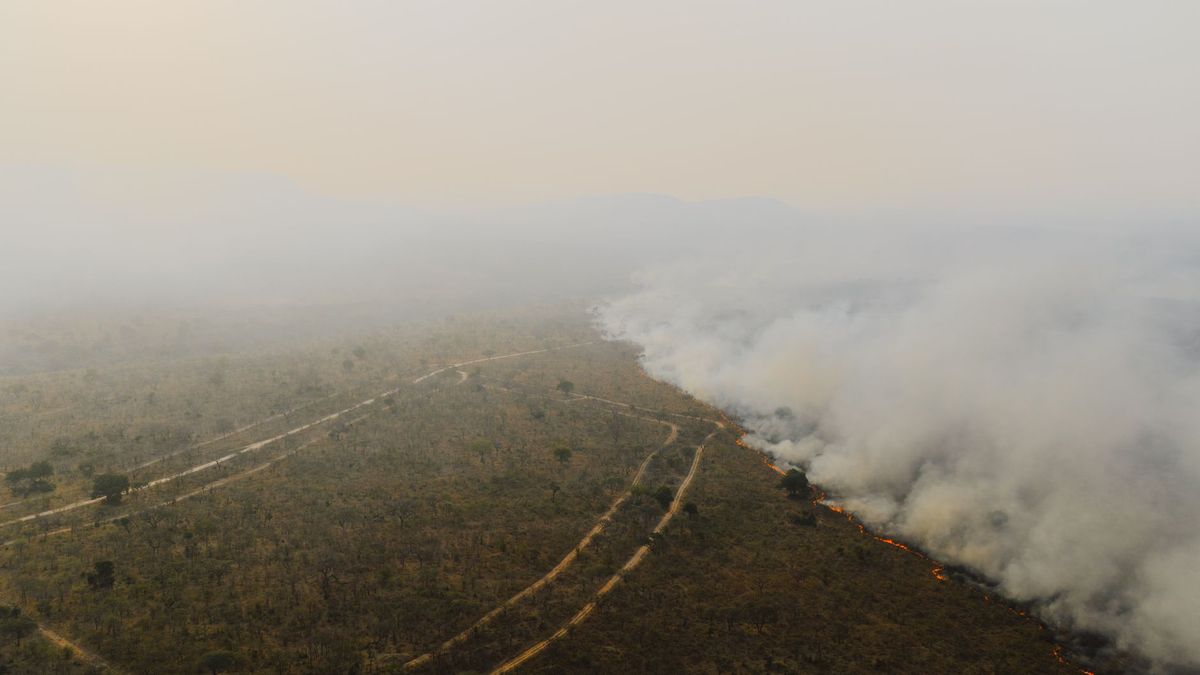
According to reports from the BBC, Indonesia is currently grappling with a severe public health crisis as toxic smog from widespread wildfires blankets the region. Health authorities have recorded more than 170,000 cases of respiratory illness linked to the hazardous air quality, which has persisted across several provinces. Officials noted that the affected population includes at least 40,000 toddlers, with symptoms ranging from mild coughs and eye irritation to severe cases of pneumonia.
The surge in respiratory issues is attributed to the thick haze resulting from annual forest and peatland fires, which are often exacerbated by dry weather conditions. The Indonesian government has mobilized emergency medical teams to provide assistance in the most affected areas, setting up temporary clinics to manage the influx of patients. Local health departments are also distributing masks and advising residents to remain indoors as much as possible to minimize exposure to the fine particulate matter.
Environmental experts warn that the situation remains precarious as long as the fires continue to burn. The haze has not only impacted public health but has also disrupted local economies and transportation networks. Authorities are currently working to contain the blazes, though the scale of the fires continues to pose a significant challenge to regional air quality and safety.
Truth Score
85/100
Likely True
Why this score
The report provides specific, internally consistent data regarding a public health crisis in Indonesia caused by wildfire smoke. As a single-source report from a reputable news organization, it meets the criteria for standard reporting without evidence of fabrication or bias.
Cross-checked against
No corroborating trusted sources found.
Original report: BBC