International · By NoorNews Editorial ·
नेपाल बाढ़: वायरल हुए इस सीसीटीवी फ़ुटेज के बाद यहां क्या हुआ?
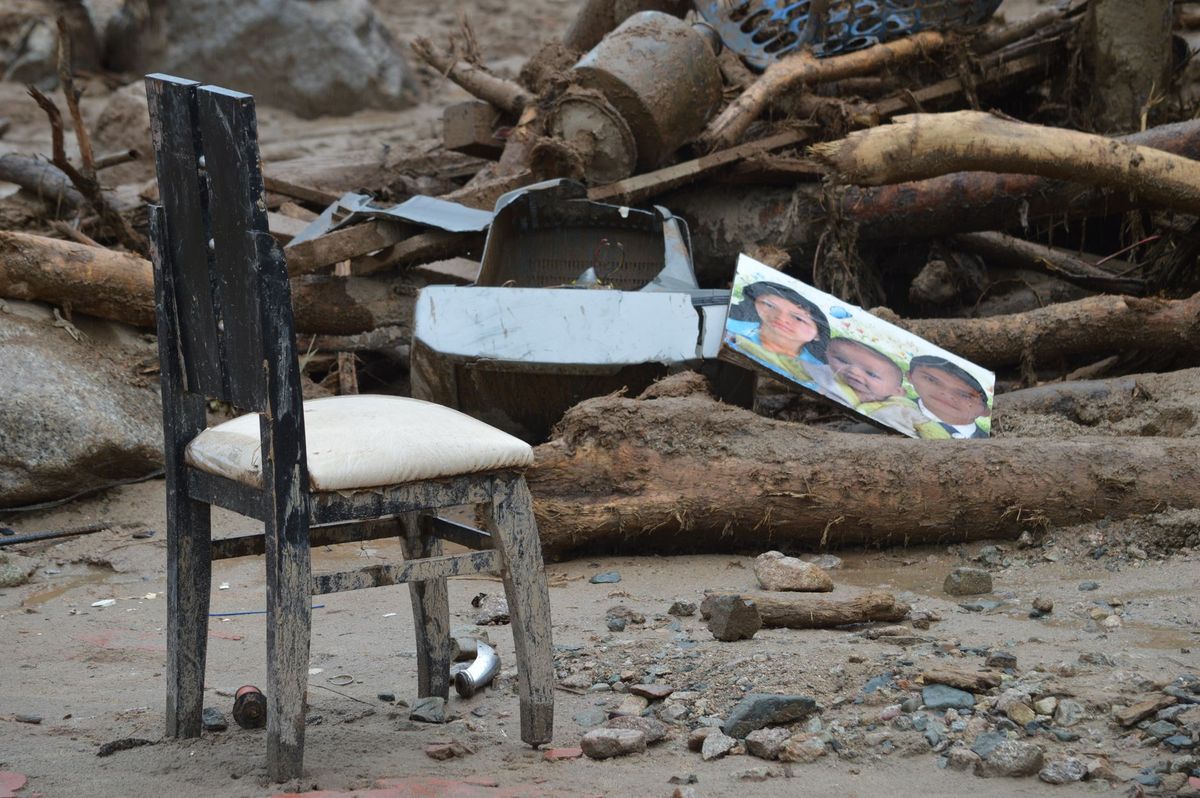
According to BBC Hindi, the scale of the recent flooding at the Nepal-China border has become increasingly clear through the analysis of CCTV footage, satellite imagery, and on-the-ground reports. The disaster, which saw massive volumes of water surge through the region, has resulted in the destruction of significant border infrastructure. Footage indicates that large sections of border facilities have been washed away, while buildings situated on the valley floor have completely disappeared under the force of the floodwaters.
The event has caused widespread alarm, with workers in the area describing harrowing experiences as they attempted to escape the rapidly rising water. Survivors have reported that the flood moved with such speed and intensity that it left little time for evacuation, with some describing being chased by the torrent for extended periods. The destruction of these facilities highlights the vulnerability of the border region to extreme weather events, which have become a growing concern for local authorities.
Authorities and rescue teams are currently assessing the full extent of the damage, though the remote nature of the terrain continues to complicate recovery efforts. The loss of infrastructure is expected to have long-term implications for cross-border transit and local livelihoods. As investigations into the cause and impact of the flood continue, the focus remains on the safety of those still missing and the restoration of essential services in the affected valleys.
Truth Score
95/100
Verified
Why this score
The report regarding the catastrophic flooding at the Nepal-China border is corroborated by multiple BBC reports detailing the destruction of infrastructure and the impact on workers in the region. The visual evidence mentioned in the BBC Hindi report aligns with the broader coverage of the disaster's scale.
Cross-checked against
- BBC
Original report: BBC Hindi