International · By NoorNews Editorial ·
नेपाल में आई बाढ़ से भारत को क्यों चिंता होनी चाहिए?
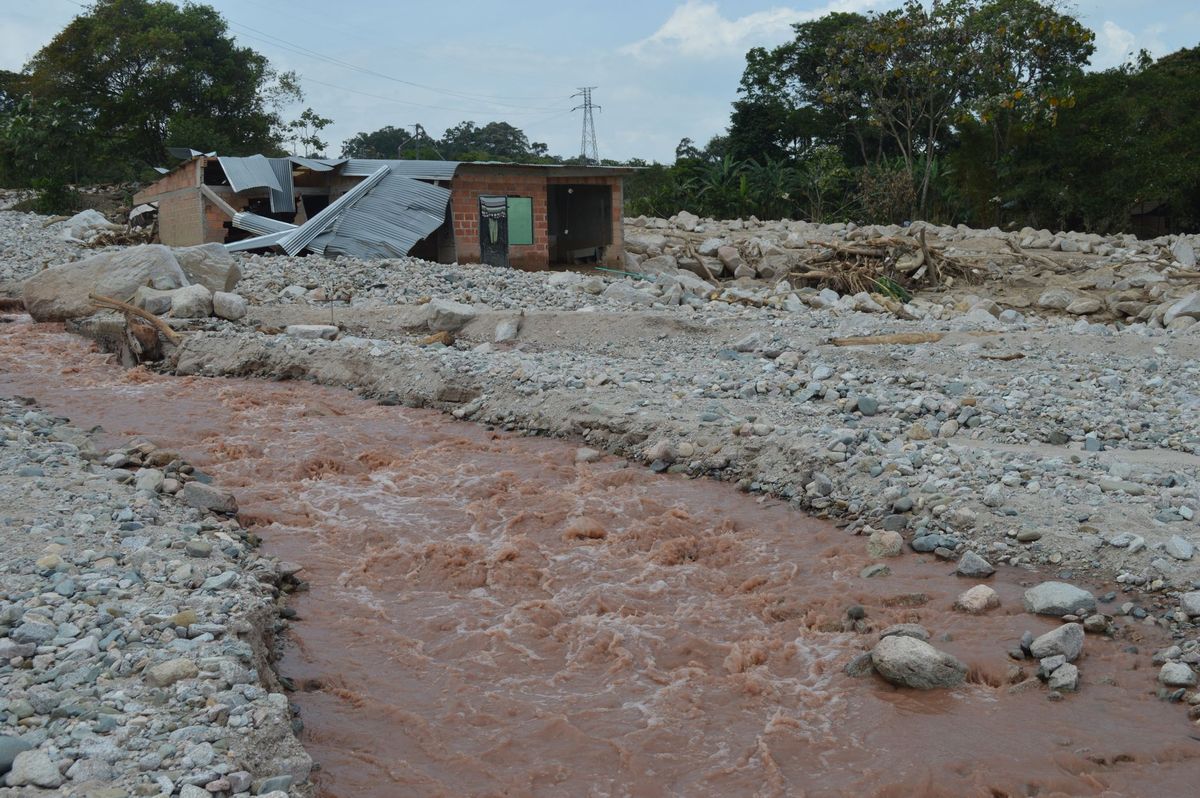
According to BBC Hindi, the recent flooding in Nepal serves as a significant warning for India, highlighting the interconnected nature of the two nations' hydrological systems. The report emphasizes that the issue extends beyond the immediate impact of water flowing across the border, pointing to the shared, increasingly unstable Himalayan river network that both countries rely upon.
Experts cited in the analysis suggest that the rapid environmental changes in the Himalayan region are exacerbating the frequency and intensity of flood events. Because many major rivers originate in the mountains of Nepal before flowing into the plains of northern India, the management of these water systems is a critical point of bilateral concern. The instability of the terrain, coupled with shifting climate patterns, creates a complex challenge for disaster mitigation and water resource management.
This situation underscores the necessity for enhanced cooperation between New Delhi and Kathmandu regarding flood forecasting and infrastructure development. As the region faces growing environmental pressures, the report argues that the current approach to managing these transboundary rivers may require a more integrated strategy to protect vulnerable populations on both sides of the border from future catastrophes.
Truth Score
85/100
Likely True
Why this score
The story highlights a recurring environmental concern regarding transboundary river systems between Nepal and India. While the specific mention of recent flooding aligns with broader regional reports of monsoon-related disasters, the analysis focuses on the geopolitical and ecological implications of shared Himalayan watersheds.
Cross-checked against
No corroborating trusted sources found.
Original report: BBC Hindi