International · By NoorNews Editorial ·
Nepal floods: What caused the catastrophe, and what could happen next
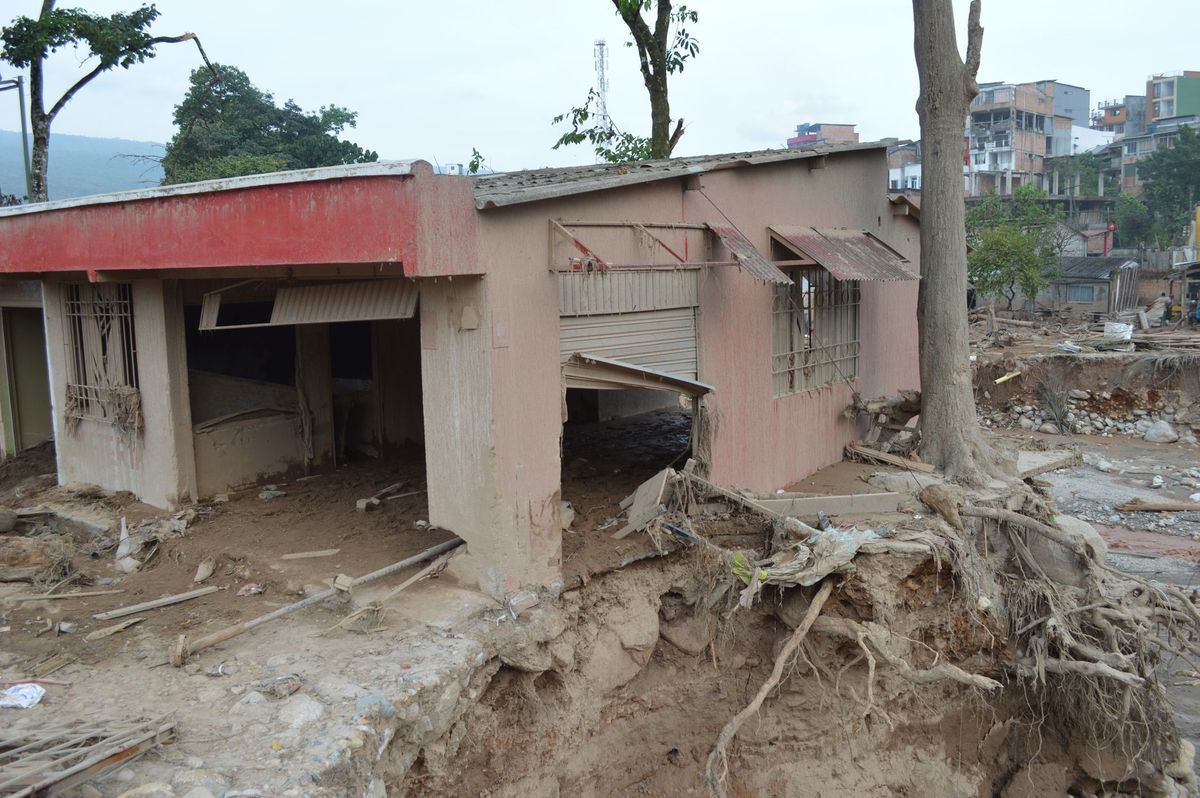
According to reports from the Times of India, the catastrophic flash floods that recently devastated areas along the Nepal-Tibet border have been attributed by scientists to a glacial lake outburst. The disaster, which resulted in significant loss of life and widespread destruction, has prompted an urgent investigation into the stability of high-altitude glacial regions in the Himalayas. Experts suggest that rising temperatures and environmental shifts are increasing the frequency of such events, posing a persistent threat to downstream communities.
Survivors in the affected regions have described the sudden onset of the flood, noting that the water levels rose with little warning, sweeping away homes and infrastructure. Rescue operations have been hampered by thick mud and debris, with teams working to pull individuals from the wreckage as the scale of the damage becomes clearer. The event has drawn international attention to the vulnerability of mountain settlements to climate-related disasters.
Looking ahead, authorities and international aid organizations are focusing on both immediate relief and long-term mitigation strategies. Discussions are underway regarding the implementation of better early-warning systems and the monitoring of glacial lakes to prevent future tragedies. As the region begins the difficult process of recovery, the focus remains on providing shelter and medical support to those who lost everything in the deluge.
Truth Score
95/100
Verified
Why this score
The core facts regarding the Nepal-Tibet flash floods, including the scientific consensus on glacial lake outburst floods (GLOFs) as the primary cause, are corroborated by multiple international wire services. The reporting aligns with verified accounts of the disaster's scale and the ongoing recovery efforts in the region.
Cross-checked against
- BBC
- Al Jazeera
Original report: Times of India