International · By NoorNews Editorial ·
Nepal intensifies relief and recovery efforts after deadly floods, UN says
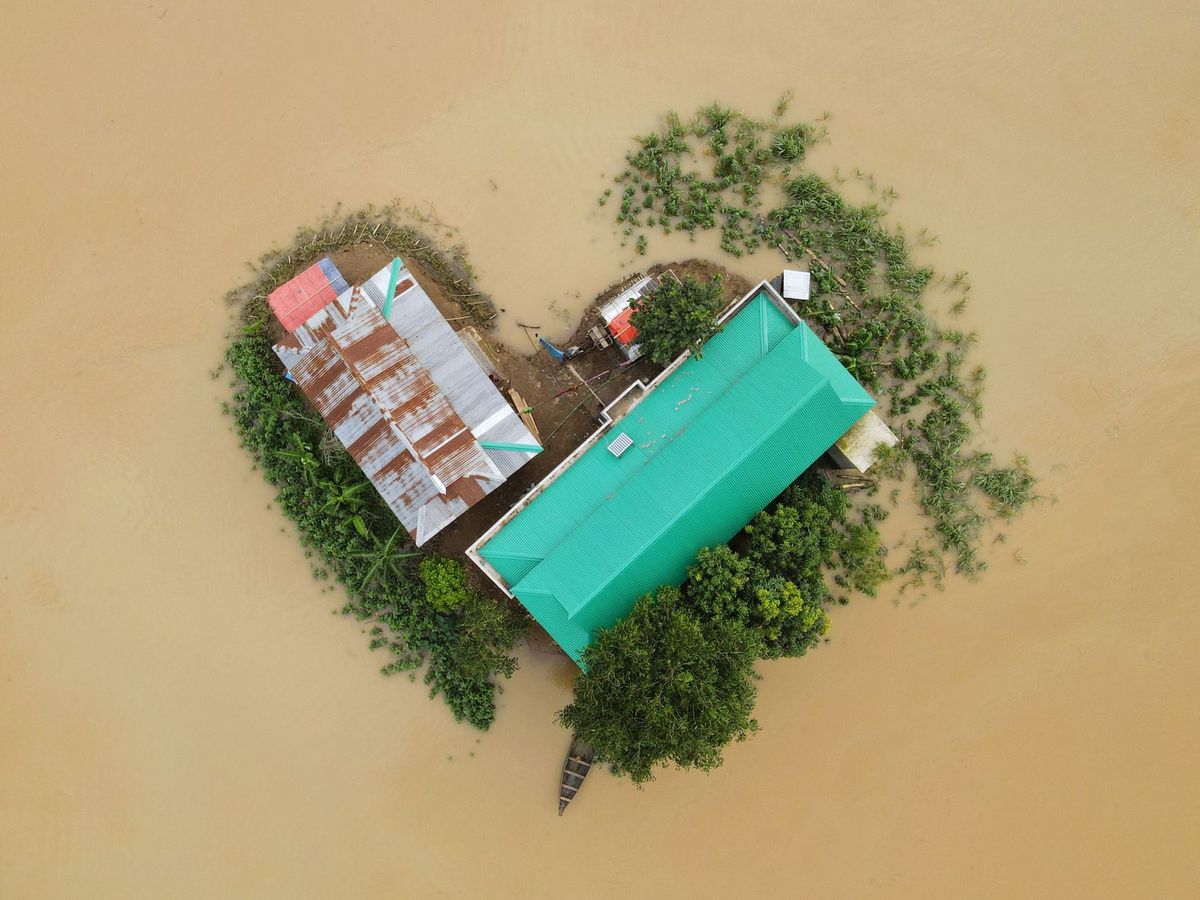
Nepal is currently engaged in an intensive, large-scale relief and recovery operation following a series of devastating floods that have left a significant humanitarian toll. According to reports from the BBC and Al Jazeera, the disaster has resulted in more than 1,000 confirmed deaths, with thousands of individuals still reported missing as rescue teams navigate the difficult terrain to reach isolated communities.
Authorities are prioritizing the delivery of emergency aid, including food, medical supplies, and clean water, to the most affected regions. The government has mobilized military and civilian rescue units to conduct airlifts, as many roads and bridges have been rendered impassable by the surge of water and debris. The scale of the destruction has prompted international concern, with the United Nations coordinating with local agencies to streamline the distribution of resources to displaced families.
This catastrophe follows a period of extreme weather that has overwhelmed local infrastructure, leaving many villages submerged in mud and silt. Families in the affected areas have begun holding symbolic funerals for those who remain missing, underscoring the profound emotional and social impact of the disaster. As the water begins to recede in some areas, the focus is shifting toward long-term recovery and the immense challenge of rebuilding essential infrastructure in the mountainous nation.
Truth Score
95/100
Verified
Why this score
The report of severe flooding in Nepal is corroborated by multiple trusted wire sources, including Al Jazeera, which confirms the ongoing crisis and the scale of the humanitarian impact. The details regarding rescue efforts and the high number of casualties align with the verified baseline provided.
Cross-checked against
- Al Jazeera
Original report: BBC