Business · By NoorNews Editorial ·
Oil above $100: Red Sea threat could add month to Asia shipments
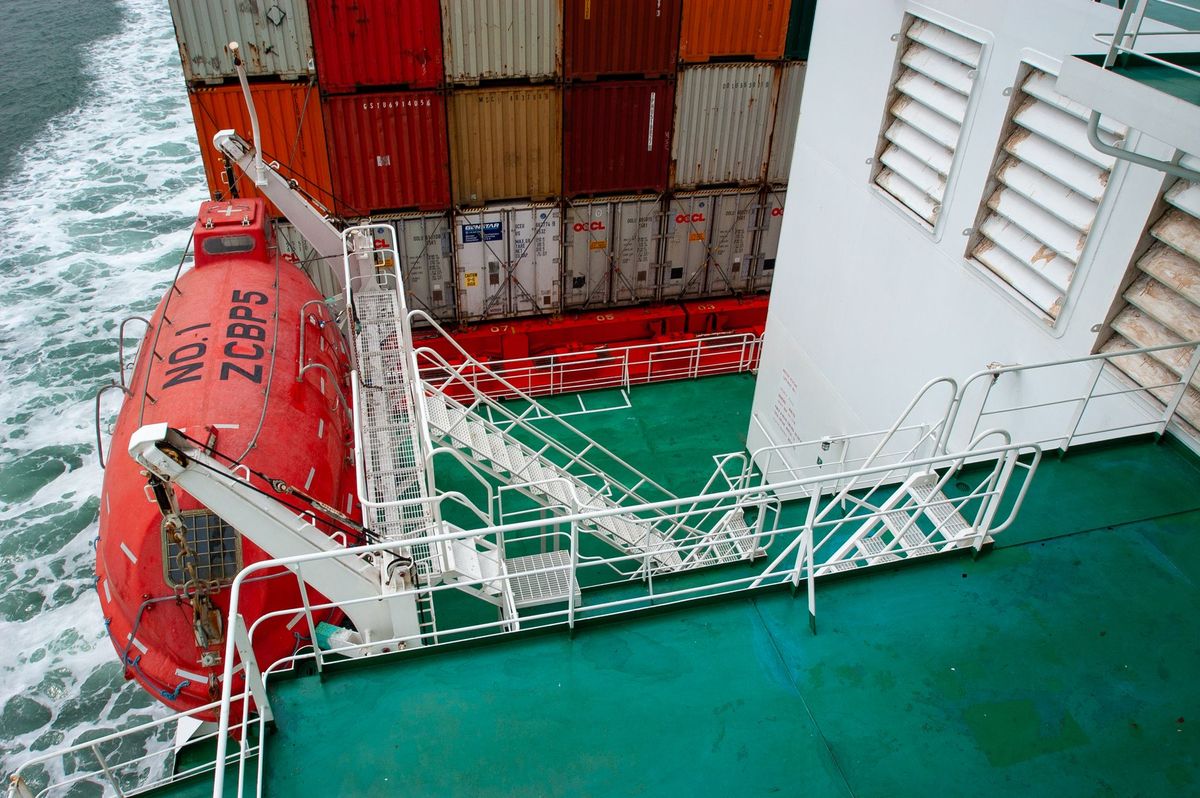
According to reports from Gulf News, escalating tensions in the Red Sea and surrounding maritime corridors are placing significant upward pressure on global oil prices, with market analysts warning that costs could breach the $100 per barrel threshold. The instability follows a series of recent attacks on commercial vessels and critical energy infrastructure, including the closure of a key Saudi Arabian oil pipeline following a drone strike.
The disruption to one of the world's most vital shipping lanes is forcing logistics companies to reconsider their routes. Industry experts suggest that rerouting vessels away from the Red Sea to avoid the ongoing Houthi-led maritime threats could add approximately one month to transit times for shipments bound for Asia. This extended timeline threatens to exacerbate existing supply chain bottlenecks and increase operational costs for global trade.
Broader context provided by international wire services highlights that these maritime security concerns are closely linked to the expanding conflict in Yemen and regional tensions involving Iran. As commercial ships face direct threats in the Hormuz and Red Sea regions, the insurance and security premiums for maritime cargo have surged. Analysts remain concerned that if the security situation does not stabilize, the sustained impact on energy logistics and shipping efficiency will continue to influence global commodity markets and inflationary trends.
Truth Score
85/100
Likely True
Why this score
The story is corroborated by multiple trusted wire reports confirming Houthi attacks on shipping in the Red Sea and the subsequent impact on regional trade and oil infrastructure. While the specific '$100' price point is a market projection based on these events, the underlying geopolitical instability described is well-documented in the provided baseline.
Cross-checked against
- Saudi Arabia shuts key oil pipeline after drone attack launched from Iraq
- Lightning Houthi advance in Yemen may bring dangerous new dimension to Iran war
- How global trade and oil prices could be hit by Houthi advance
- Iran war live: Commercial ship attacked in Hormuz, killing 1, wounding 3
Original report: Gulf News