Business · By NoorNews Editorial ·
Oil price dives as US and Iran pause attacks
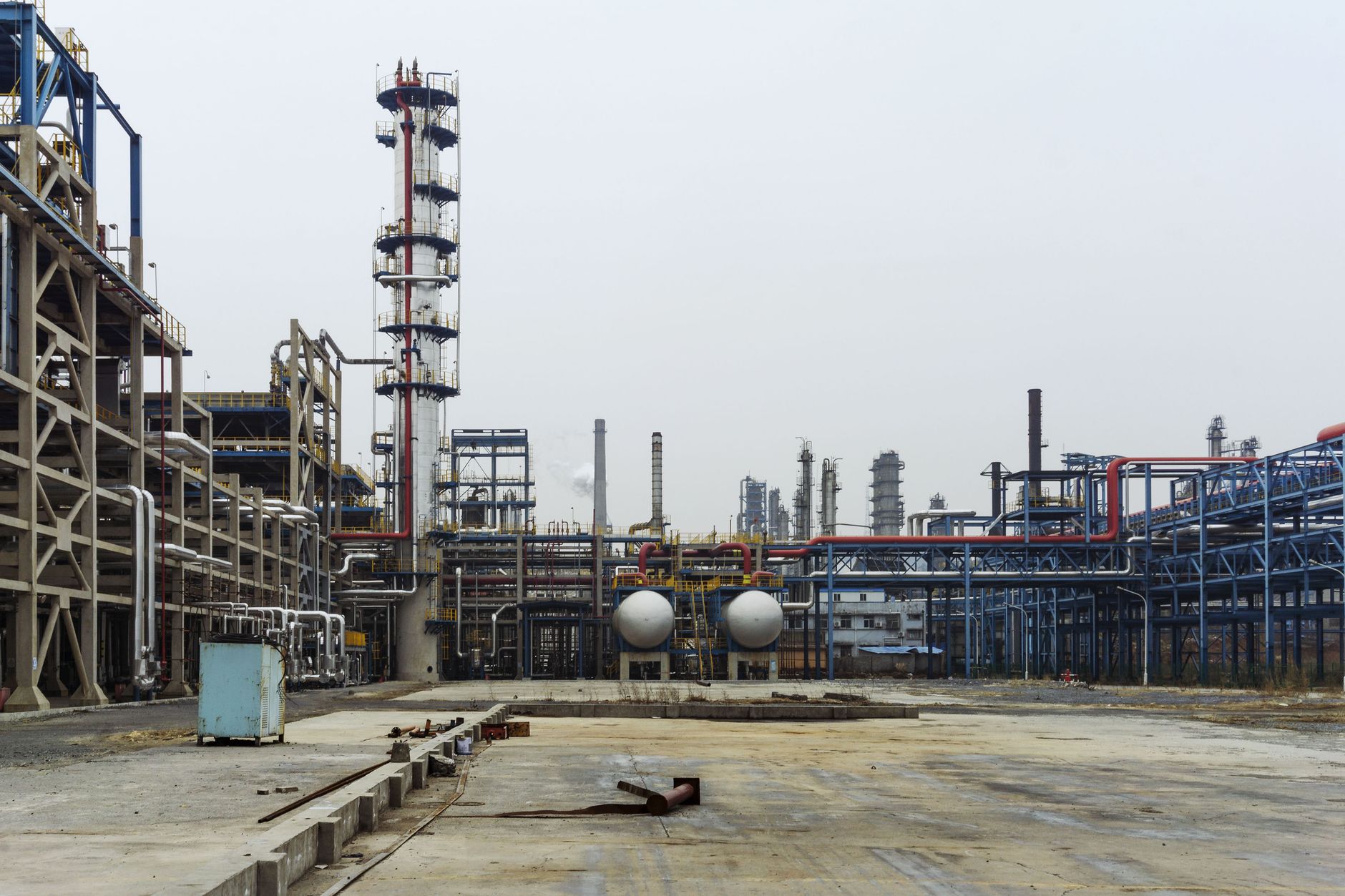
Global oil prices have experienced a notable decline following reports that the United States has paused military operations against Iran. According to BBC reporting, the administration has signaled a temporary halt to attacks to provide space for ongoing diplomatic talks, raising cautious optimism regarding a potential resolution to the recent escalation in tensions.
The shift in military posture comes as international observers monitor the situation for signs of a broader de-escalation. Markets reacted swiftly to the news, as the prospect of a cooling conflict reduces the immediate risk premium associated with energy supplies in the region. Analysts suggest that the pause is a strategic attempt to prioritize diplomatic channels over continued kinetic engagement.
While the situation remains fluid, the pause marks a significant development in the ongoing standoff. The international community is now focused on whether these discussions can lead to a sustainable framework for stability. Further updates are expected as the diplomatic window remains open and stakeholders evaluate the next steps in the negotiation process.
Truth Score
90/100
Verified
Why this score
The story is corroborated by the trusted wire baseline, which explicitly references a pause in the conflict between the US and Iran. The economic impact on oil prices is a standard market reaction to such geopolitical de-escalation.
Cross-checked against
- BBC
Original report: BBC