India · By NoorNews Editorial ·
ওজন কমাতে পুষ্টিকর খাচ্ছেন ভাবছেন? এই ৫ খাবারই চুপিচুপি বাড়াচ্ছে ক্যালরি!
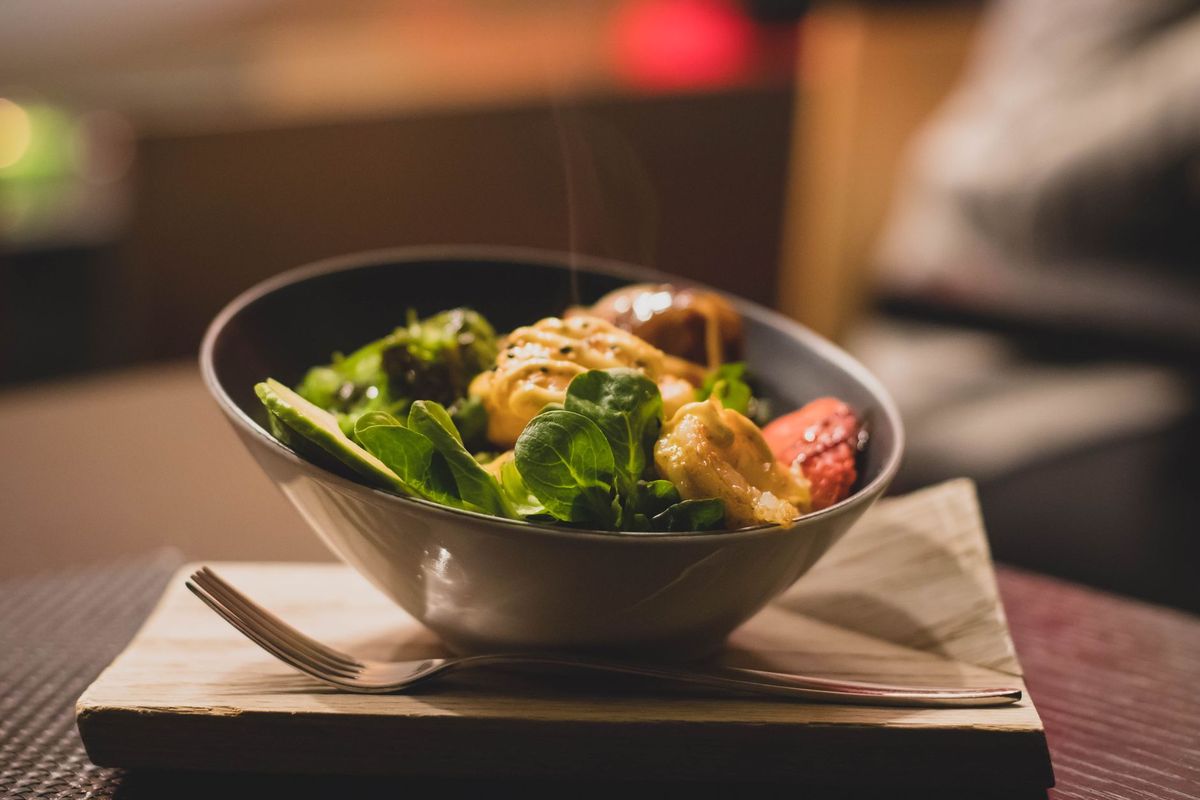
According to a report by Sangbad Pratidin, many individuals attempting to manage their weight may inadvertently increase their daily caloric intake by consuming foods perceived as healthy. The report highlights that while choosing nutritious options is a positive lifestyle change, portion control and an understanding of caloric density remain essential for achieving health goals.
The article suggests that certain foods, often marketed or considered as 'healthy' alternatives, can be surprisingly high in calories if consumed in excess. By failing to account for the total energy content of these items, individuals may find that their weight management efforts are offset by hidden caloric surpluses. The report serves as a reminder that nutritional quality and caloric balance are both critical components of a sustainable diet.
Health experts generally emphasize that even nutrient-dense foods, such as nuts, seeds, and certain oils, contain significant energy that should be factored into one's daily intake. The report encourages readers to remain mindful of their overall consumption patterns rather than relying solely on the perceived health benefits of specific food categories.
Truth Score
85/100
Likely True
Why this score
The story provides general nutritional advice regarding calorie density in common health foods, which is consistent with standard dietary guidelines. While it does not cite specific clinical studies, the information is presented as general wellness guidance rather than a breaking news event, and it contains no identifiable fabrication or misinformation.
Cross-checked against
No corroborating trusted sources found.
Original report: Sangbad Pratidin