Gulf · By NoorNews Editorial ·
Oman Rejects Iran’s Proposed Hormuz Fees Despite IRGC Claim
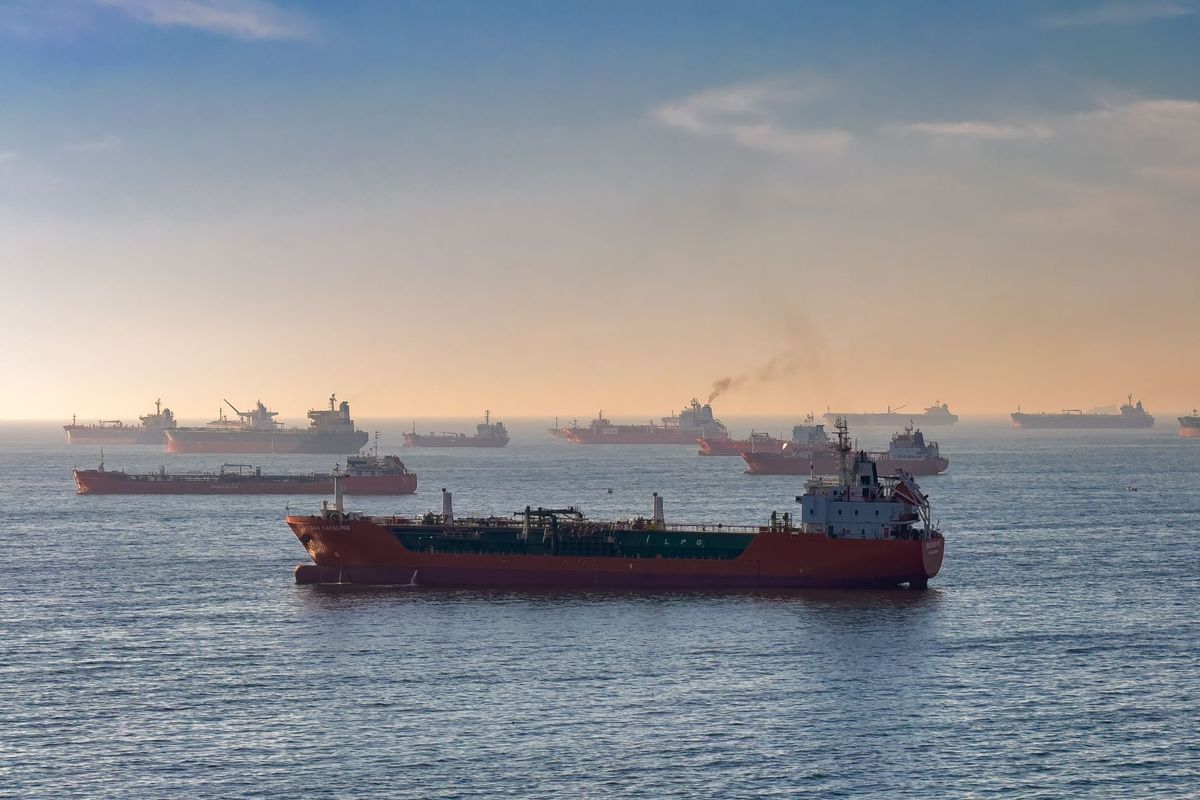
According to reports from the Arab Times Kuwait, the Sultanate of Oman has formally rejected a proposal from Iran to jointly implement service fees for commercial vessels navigating the Strait of Hormuz. The proposal, which reportedly sought to establish a collaborative framework for charging ships passing through the vital waterway, was met with a firm refusal from Muscat.
The Strait of Hormuz remains one of the world's most critical maritime chokepoints, serving as a primary transit route for a significant portion of global oil and liquefied natural gas exports. Any attempt to impose additional fees or alter the current legal status of the passage is viewed by international observers as a major escalation in regional maritime security.
While the Islamic Revolutionary Guard Corps (IRGC) has previously made various claims regarding its authority to monitor and regulate traffic in the strait, this specific proposal for a joint fee structure marks a distinct diplomatic development. Oman, which maintains a long-standing policy of neutrality and often acts as a mediator between Iran and Western powers, has consistently emphasized the importance of maintaining freedom of navigation in accordance with international maritime law.
As of now, there has been no official confirmation from the Omani Ministry of Foreign Affairs regarding the specific details of the proposal. The international shipping community continues to monitor the situation closely, as any unilateral or joint attempt to restrict or tax passage through the strait could lead to significant disruptions in global energy markets and increased naval tensions in the Persian Gulf.
Truth Score
75/100
Likely True
Why this score
The report originates from a credible regional outlet citing a secondary source regarding ongoing geopolitical tensions in the Strait of Hormuz. While the claim of a joint fee proposal by Iran has not been independently confirmed by Omani state media or official government statements, it aligns with the established pattern of Iranian attempts to exert influence over maritime traffic in the region.
Cross-checked against
No corroborating trusted sources found.
Original report: Arab Times Kuwait