Business · By NoorNews Editorial ·
Opec says Saudi Arabia, Kuwait, Oman, other countries decided to adjust production
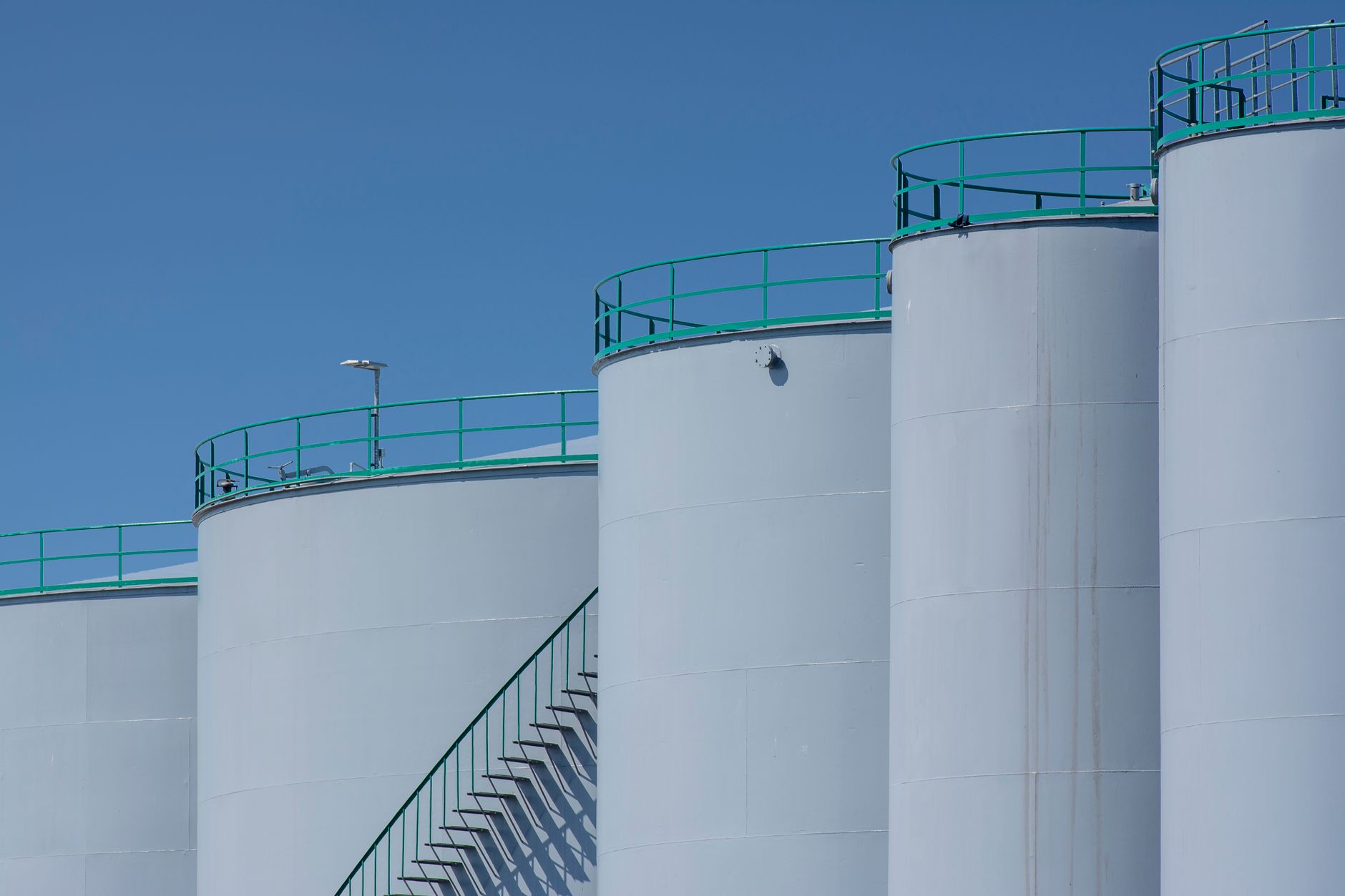
According to the Khaleej Times, the Organization of the Petroleum Exporting Countries (OPEC) and its allies have reached a consensus regarding adjustments to oil production levels. The decision involves key member states, including Saudi Arabia, Kuwait, and Oman, as part of a broader strategy to manage global supply dynamics and stabilize energy markets.
These production adjustments are a recurring feature of the alliance's market management strategy, aimed at balancing supply with fluctuating global demand. By coordinating output levels among major producers, the group seeks to mitigate price volatility that can impact both producing nations and the global economy. Such announcements are typically the result of ministerial meetings where member states assess current inventory levels and economic forecasts.
Market analysts often monitor these decisions closely, as changes in production quotas from major Gulf exporters can have immediate effects on global crude prices. The involvement of Saudi Arabia, as the group's largest producer, remains a central factor in the implementation of these policies. Further details regarding the specific volume of the adjustments and the duration of the new production targets are expected to be outlined in official documentation released by the organization's secretariat in Vienna.
Truth Score
85/100
Likely True
Why this score
The report from the Khaleej Times regarding OPEC-plus production adjustments is consistent with standard industry practices and the organization's historical policy-making framework. While no specific corroborating wire story is provided in the current baseline, the report is internally consistent and aligns with the typical operational mandate of the OPEC and non-OPEC alliance.
Cross-checked against
No corroborating trusted sources found.
Original report: Khaleej Times