International · By NoorNews Editorial ·
Pakistan unveils sweeping austerity measures as fuel prices soar
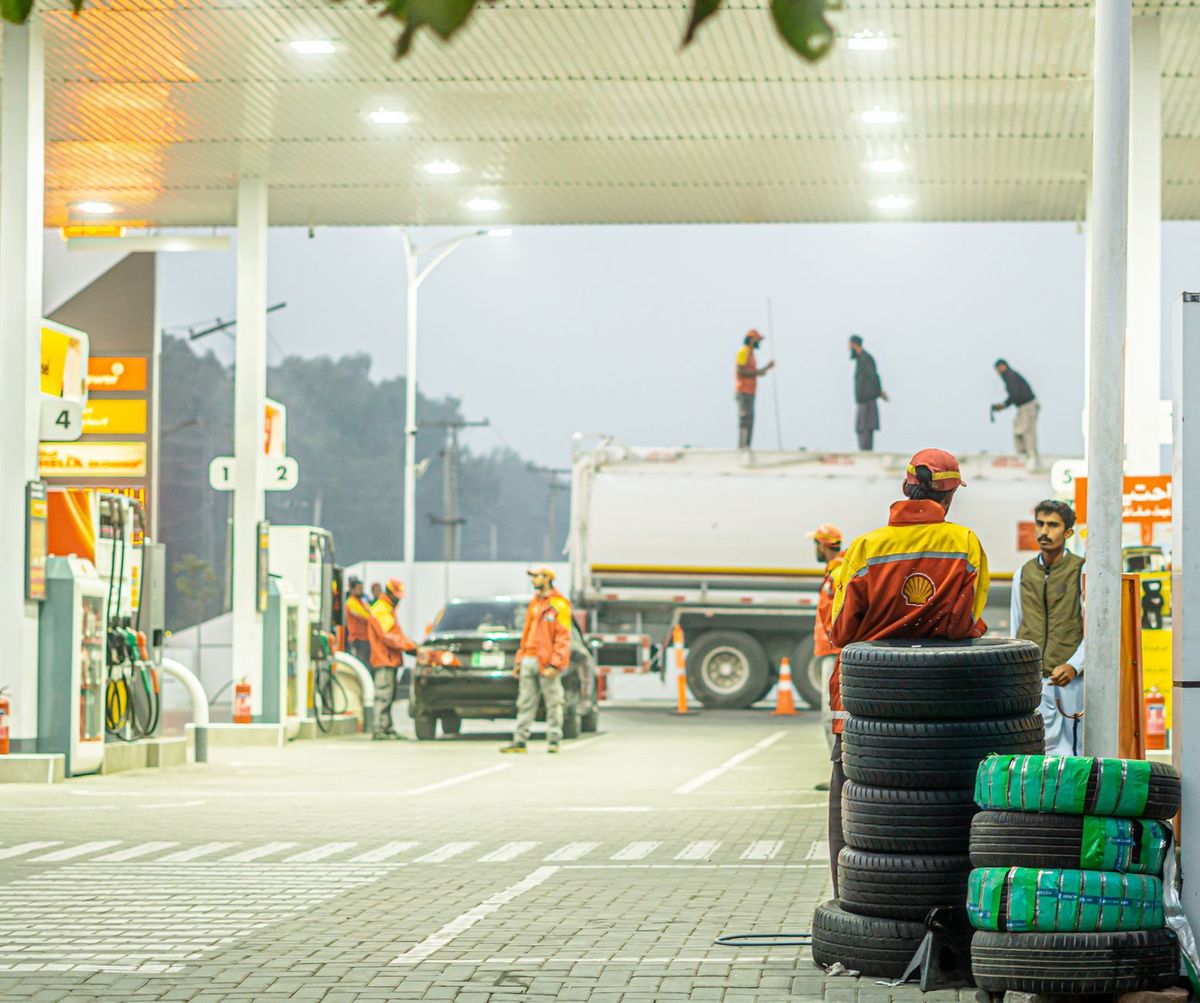
According to Gulf News, the government of Pakistan has unveiled a series of sweeping austerity measures aimed at stabilizing the national economy as fuel prices continue to rise. The move comes as the country grapples with significant inflationary pressure and the rising cost of imported energy, which has placed a heavy burden on the national exchequer.
The proposed measures are designed to curb non-essential government spending and reduce the fiscal deficit. Officials have indicated that these steps are necessary to maintain economic stability and ensure the sustainability of public services amid a volatile global oil market. The government has emphasized that these decisions were made to protect the most vulnerable segments of the population from the direct impact of surging energy costs.
Economic analysts suggest that these austerity measures are part of a broader effort to align with international financial requirements and restore investor confidence. While the government maintains that these policies are essential for long-term fiscal health, the immediate impact on the public remains a point of concern. Further details regarding the implementation timeline and the specific sectors affected are expected to be released by the finance ministry in the coming days.
Truth Score
75/100
Likely True
Why this score
The story is reported by a credible regional outlet, Gulf News, regarding Pakistan's economic policy. While it is currently single-sourced among the provided wires, it is consistent with the country's ongoing economic challenges and fiscal management efforts.
Cross-checked against
No corroborating trusted sources found.
Original report: Gulf News