International · By NoorNews Editorial ·
Philippines: One gun, 10 shootings? How forensic experts can link a murder weapon to years of crimes
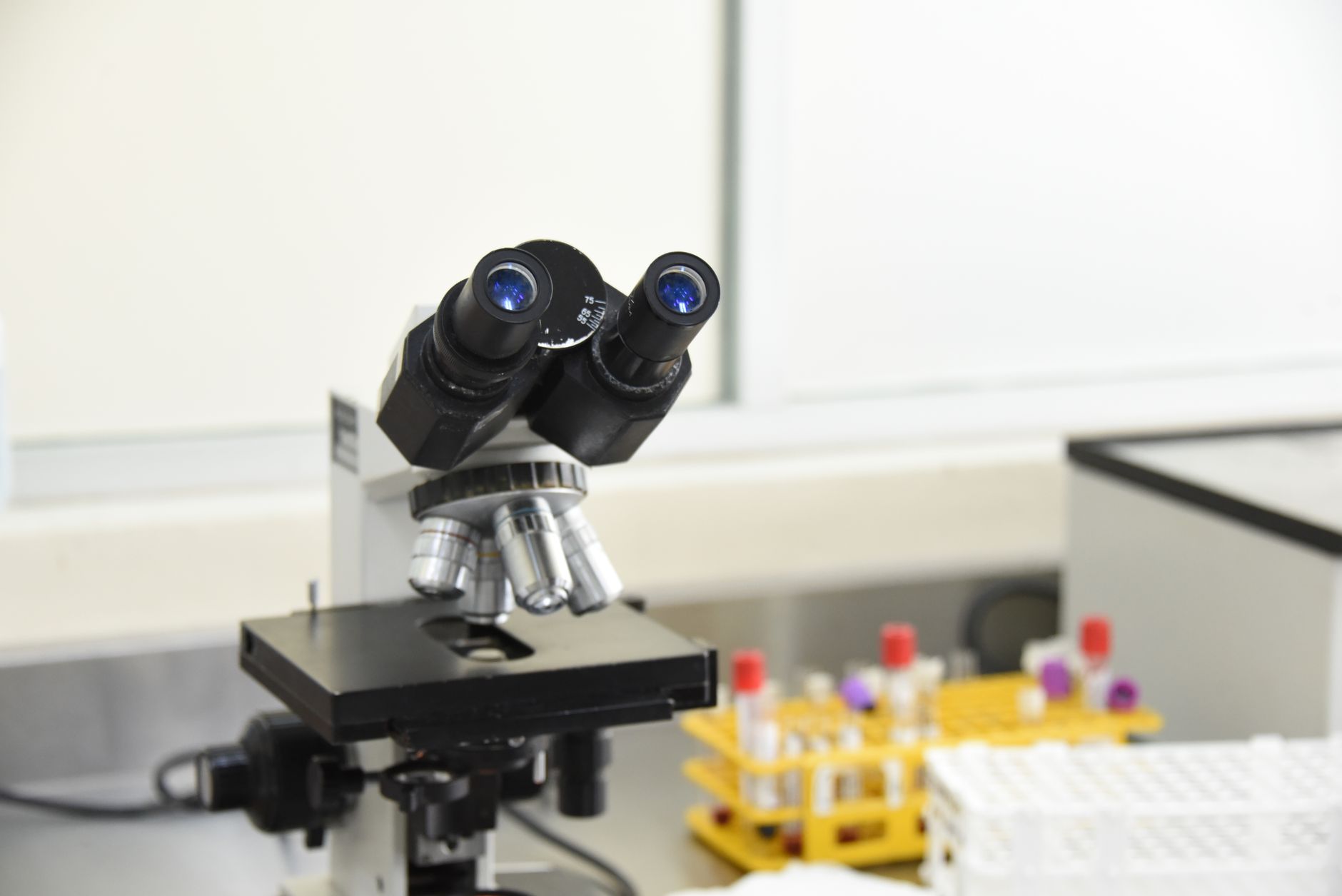
According to Gulf News, forensic experts in the Philippines are increasingly utilizing advanced ballistics matching techniques to link single firearms to multiple criminal incidents over extended periods. This process, often referred to as ballistics fingerprinting, relies on the unique microscopic markings left on bullet casings and projectiles when a gun is fired. By cataloging these markings in a centralized database, investigators can identify patterns that suggest a single weapon has been used in a series of crimes, even if those incidents occurred years apart.
The forensic procedure involves comparing the firing pin impressions, breech face marks, and extractor marks found on spent cartridges. Experts use high-powered comparison microscopes to examine these signatures side-by-side. When a match is confirmed, it provides critical evidence that can connect disparate crime scenes, allowing authorities to build a more comprehensive profile of criminal activity and identify repeat offenders or weapon-trafficking networks.
This investigative approach is particularly significant in jurisdictions where illegal firearms may circulate through various criminal groups. By shifting the focus from individual crime scenes to the weapon itself, law enforcement agencies can effectively track the 'life cycle' of a gun. This methodology serves as a cornerstone of modern criminal investigations, providing objective physical evidence that often proves decisive in court proceedings when eyewitness testimony is unavailable or unreliable.
Truth Score
85/100
Likely True
Why this score
The article provides a technical overview of ballistic forensics and the process of matching shell casings to firearms, which is a standard and verifiable scientific practice. While the story is single-sourced from Gulf News and does not detail a specific ongoing criminal case, the information presented aligns with established forensic methodology used by law enforcement agencies globally.
Cross-checked against
No corroborating trusted sources found.
Original report: Gulf News